
← Back to History of the Republic
Astro Medya Org. Ltd. Şti. / Wikimedia Commons · CC BY 2.0 ↗ Sport history · access and elite performance
Paralympic and inclusive sport
Paralympic sport is elite competition governed by classification systems and world-level performance standards, not rehabilitation activity. Paris 2024 set a new medal threshold for Türkiye.
1992—todayParalympic Games · Türkiye
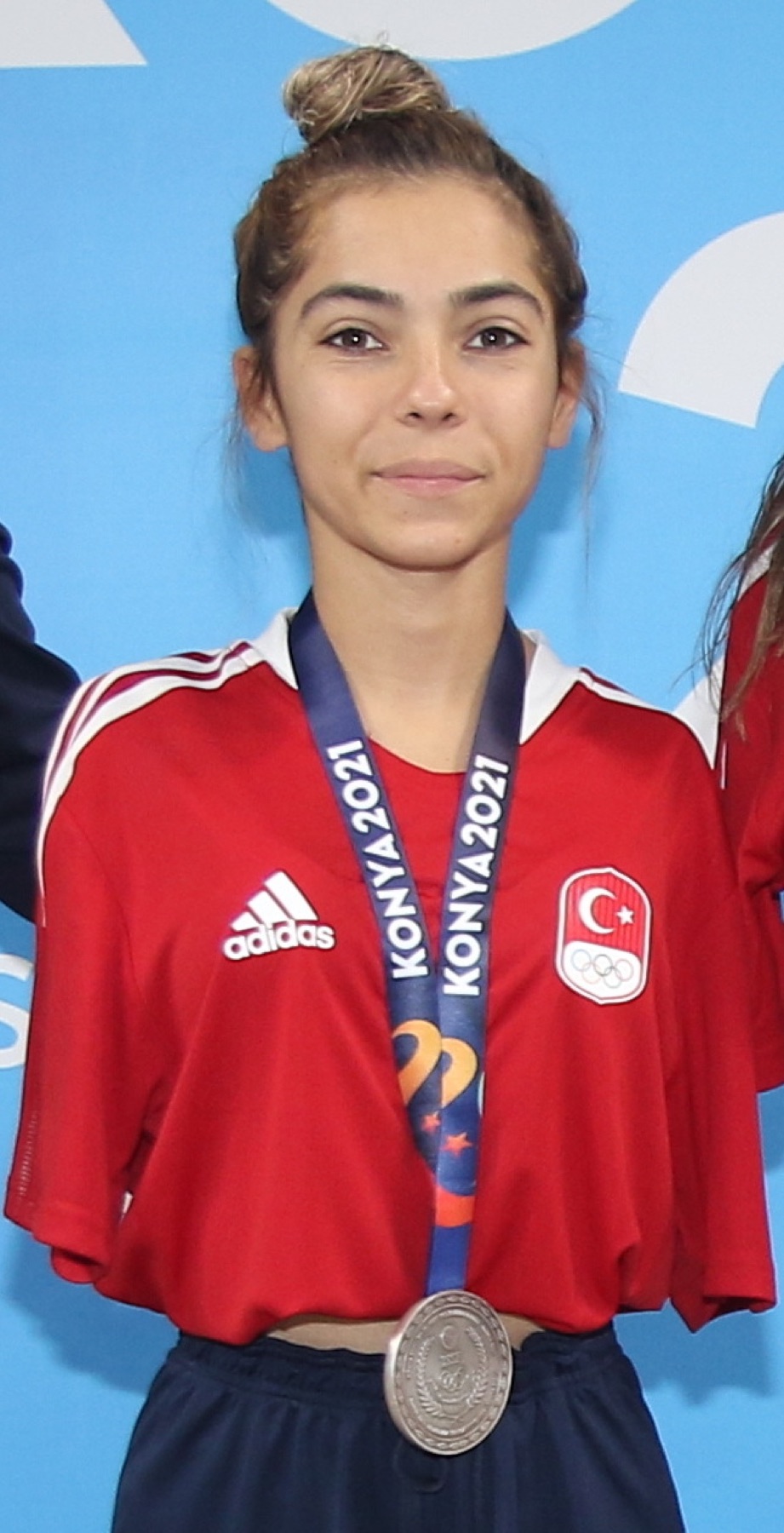
Sevilay Öztürk at the Konya 2021 Islamic Solidarity Games, held in 2022.
At a glance
- Paris 2024
- 28 medals
- Gold
- 6
- Women’s goalball
- 3 × champion
- Umut Ünlü
- 2 × gold
Recognising elite sport on its own terms
Para sport is not a side event concerned only with celebrating participation. It is a competitive world demanding tactics, technique, endurance and sustained preparation. The Paralympic Games provide its most visible multi-sport stage, but not every Para discipline appears at every edition. World and continental championships, leagues and qualification events also shape careers. Introducing an athlete only through their impairment is therefore incomplete. The reader needs to know the discipline, competitive class and technical job involved. Türkiye's Para sporting history reaches its real breadth when individual finals and team achievements appear together, with women's careers treated as central rather than supplementary to the account.
↑ Back to dossier contentsParis 2024 and a broader medal landscape
Türkiye finished the Paris 2024 Paralympic Games with 28 medals: six gold, ten silver and twelve bronze. Different sporting tasks sit behind that total, from precision in target events to opponent-based contests, swimming times and collective team defence. Umut Ünlü's two S3 freestyle golds are one striking example of that diversity. The total matters, but a team medal is not added to the national table separately for every squad member. A country table and an athlete biography answer different questions. One records the overall outcome at an event; the other explains the individual's role within it and the continuity of a sporting career.
↑ Back to dossier contentsGoalball and success sustained across three Games
Türkiye's women's goalball team won gold at Rio 2016, Tokyo 2020 and Paris 2024. That continuity involves sustaining competition across successive cycles rather than repeating a single surprise result. Goalball was developed for athletes with vision impairment and uses a ball whose sound guides play. Attackers vary direction and rhythm, while defenders manage their position on the floor and the spaces between teammates. Spectator silence has a practical sporting purpose because the players must hear the ball. Sevda Altunoluk's profile provides one route into this history, but the championship belongs to the whole squad, including its connected defensive and preparatory work.
↑ Back to dossier contentsWhat classification contributes
Classification does not assume that everybody with the same diagnosis has the same sporting capacity. It assesses how an eligible impairment affects the essential activities of a particular discipline so that meaningful competitive groups can be formed. A swimmer's code cannot simply be translated into a table-tennis player's class; the same number may mean different things in different sports. Equipment also belongs to the explanation: a racing chair differs from an everyday wheelchair, and Para powerlifting is technically distinct from Olympic snatch-and-clean-and-jerk weightlifting. These distinctions clarify the conditions under which performance occurs. The dedicated classification guide helps readers understand the letters and numbers attached to results.
↑ Back to dossier contentsDistinct organisations and meaningful everyday access
The Deaflympics are a separate international competition for deaf athletes, while Special Olympics has its own participation and grouping approach for athletes with intellectual disabilities. Neither is another name for the Paralympic Games. Turkish athletes across these sporting worlds deserve visibility under the correct organisational heading. A strong Para sport culture also requires more than a medal ceremony: accessible transport and facilities, suitable training time, equipment support and qualified coaching affect sustained participation. Watching an athlete's technique, decisions and contest with an opponent produces a more informative account than the language of pity. It allows the sporting achievement itself, and the practical conditions that support it, to occupy the centre.
↑ Back to dossier contentsArchive note
Archive images for wider context


Cumhuriyet Atlas
Continue the story here
Career landmark · 2024
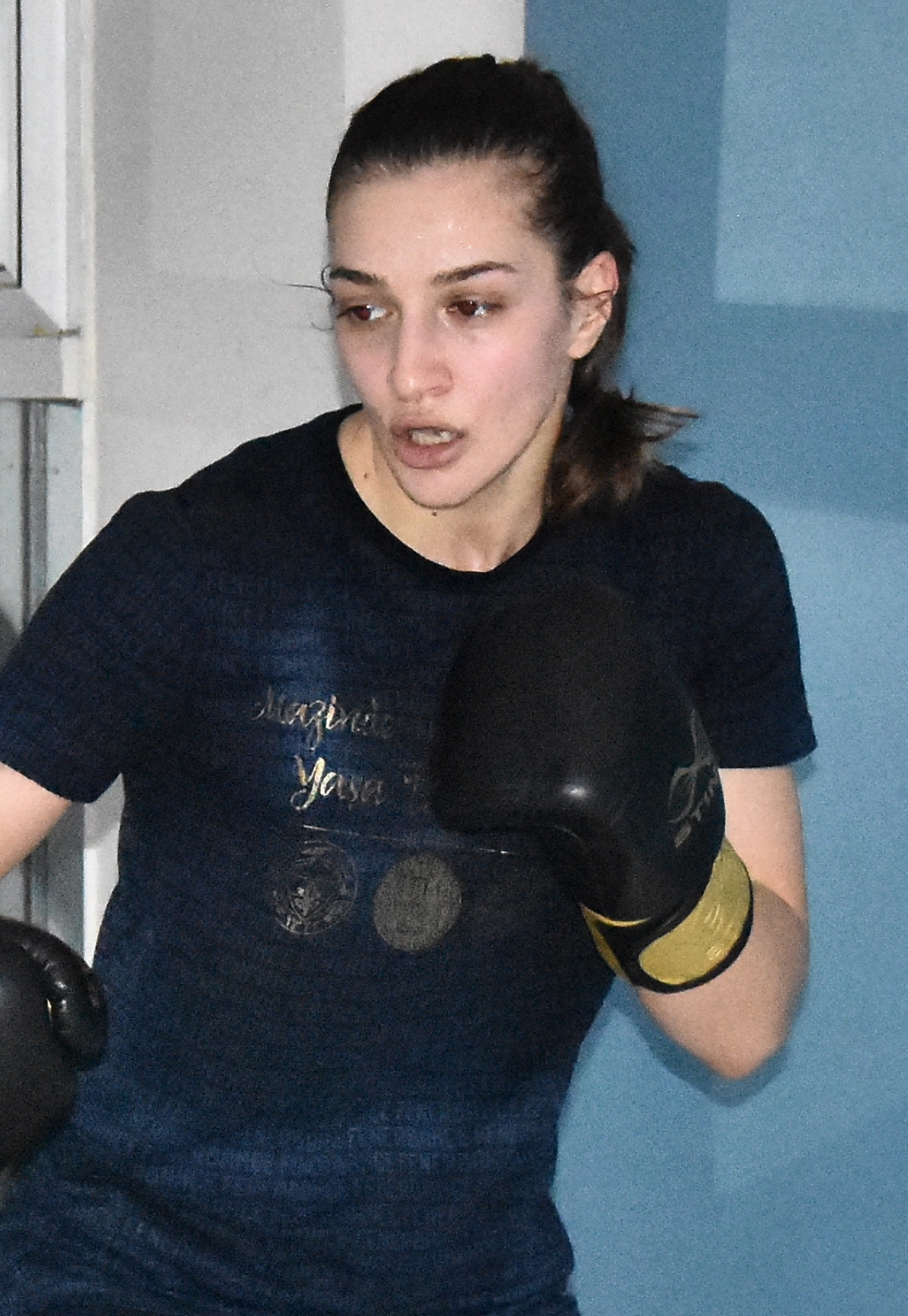
Buse Naz Çakıroğlu: A boxer in two Olympic finals
Buse Naz Çakıroğlu demonstrated sustained excellence by reaching consecutive Olympic finals in Tokyo and Paris.
Explore →
Career landmark · 2024
Çağla Dönertaş: Reading the wind in competition
Çağla Dönertaş represents Türkiye’s maritime sporting tradition through an international single-handed sailing career.
Explore →
Career landmark · 2024
Hatice Akbaş: From world gold to an Olympic final
Hatice Akbaş followed a 2022 world title with Paris 2024 silver in women’s boxing.
Explore →Documents and sources6 sources
Official reference points used to verify the chronology and interpretive frame on this page.
- Paris 2024 medal standings ↗INTERNATIONAL PARALYMPIC COMMITTEE
Türkiye’s historic 28-medal Paralympic performance.
- A third women’s goalball gold ↗INTERNATIONAL PARALYMPIC COMMITTEE
The Paris 2024 title and Sevda Altunoluk’s completion of a golden treble.
- Türkiye's Paralympic gold medallists ↗GSB
Published by GSB: Türkiye's Paralympic gold medallists. Supports the relevant results or rules context in this dossier.
- Special Olympics and the Paralympic movement ↗Special Olympics
Published by Special Olympics: Special Olympics and the Paralympic movement. Supports the relevant results or rules context in this dossier.
- Deaflympics eligibility criteria ↗ICSD
Published by ICSD: Deaflympics eligibility criteria. Supports the relevant results or rules context in this dossier.
- Paralympic classification ↗IPC
Purpose, eligible impairments, minimum criteria and sport specificity.