
← Back to History of the Republic
Türk Genelkurmayı; fotoğrafçı bilinmiyor / Wikimedia Commons · Public domain · PD-Ottoman ↗ Special dossier · soldier, leader, state founder
Mustafa Kemal Atatürk
Atatürk’s life is more than a single biographical line: the late Ottoman world, wars, national sovereignty, parliamentary politics and the institution-building of a new state all intersect in the same story.
1881—10 November 1938Thessaloniki · Anatolia · Ankara · Istanbul
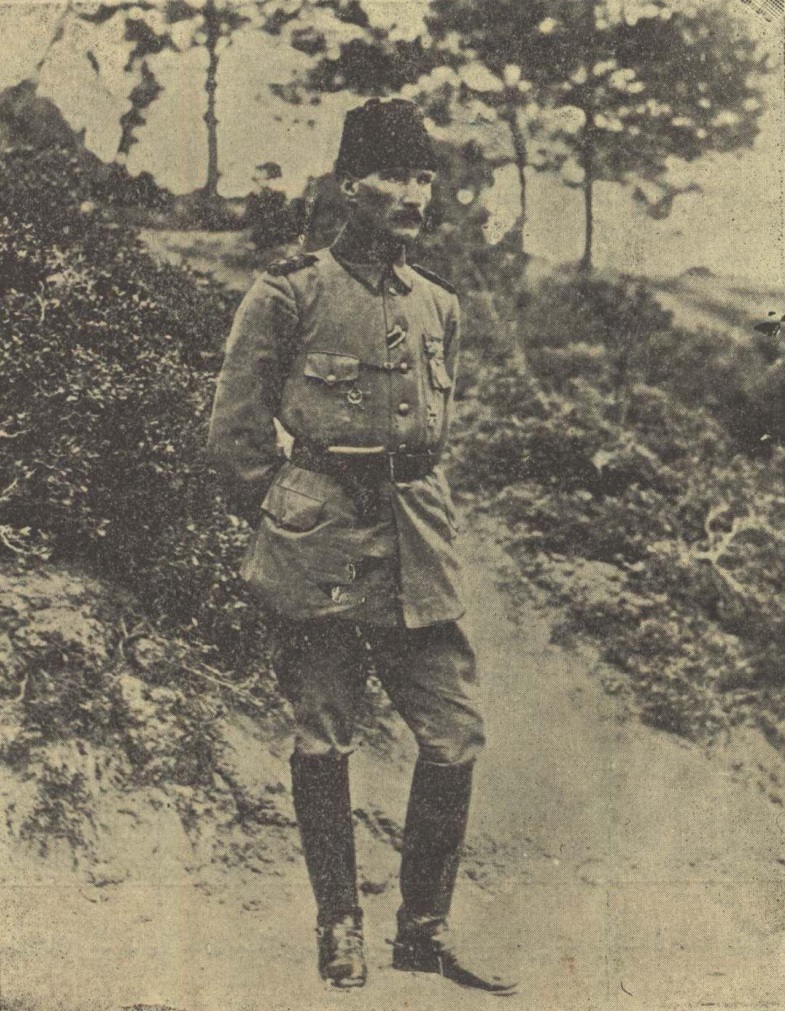
Portrait published in Harp Mecmuası, December 1915; military service before the Republic, not the 1923 proclamation.
At a glance
- Born
- 1881 · Thessaloniki
- National Struggle
- 1919—1922
- Presidency
- 1923—1938
- Died
- 10 November 1938 · Dolmabahçe
1881–1905 · From Salonica to staff training
Mustafa Kemal's life is clearer when later titles are not projected back onto his childhood. He was born in 1881 in Ottoman Salonica to Ali Rıza Efendi and Zübeyde Hanım. The city is now Thessaloniki in Greece; its contemporary state and educational setting were not those of today's borders. His schooling in Salonica and then at the military preparatory school in Monastir placed him within different educational traditions.
He entered the military academy in Istanbul in 1899, graduated as a lieutenant in 1902 and completed staff-college training as a staff captain in 1905. Collapsing these into one graduation obscures the distinction between an officer's initial qualification and specialist staff education. Maps, personnel, communications and operations had to be considered together. His later decisions should therefore be read through professional preparation as well as personal qualities, rather than explained solely by an effortless, innate genius.
↑ Back to dossier contents1905–1918 · An Ottoman officer across several fronts
Damascus and later assignments in the Balkans formed his early working environment. In 1911–1912 he served around Tobruk and Derna during the war in Libya; the Balkan Wars and military attaché duties in Sofia were also parts of his career. These were not wars or diplomatic assignments of the Republic of Türkiye, which did not yet exist. Their relevance to the later founder does not remove their Ottoman political setting.
At Gallipoli in 1915 he commanded the 19th Division and, in August, the Anafartalar Group. His land command must be distinguished from responsibility for the naval defence of the strait. Later service on eastern and Syrian fronts demonstrates that the world war was not confined to one peninsula. Success in an individual campaign and the Ottoman Empire's overall defeat are different outcomes. Our Gallipoli dossier examines command, terrain, supply and human cost together.
↑ Back to dossier contents1919–1920 · From military appointment to political organisation
His landing at Samsun on 19 May 1919 began as the arrival of an army inspector and became a turning point in political organisation that exceeded the limits of his official appointment. The Amasya Circular, the Erzurum and Sivas congresses, expanding representative structures and his arrival in Ankara on 27 December were not one ceremonial founding day. Separate city dossiers make it possible to follow this evolving journey on a map.
The Grand National Assembly, opened on 23 April 1920, gave the movement a legislative and governmental centre. Mustafa Kemal was elected its president, but a biography that omits other commanders, local organisations, deputies and civilian work cannot explain the movement adequately. The First Assembly building in Ankara provides a physical setting for this institutional story. Its opening and the proclamation of the Republic on 29 October 1923 were different stages, not interchangeable dates.
↑ Back to dossier contents1921–1923 · Command, peace and the presidency
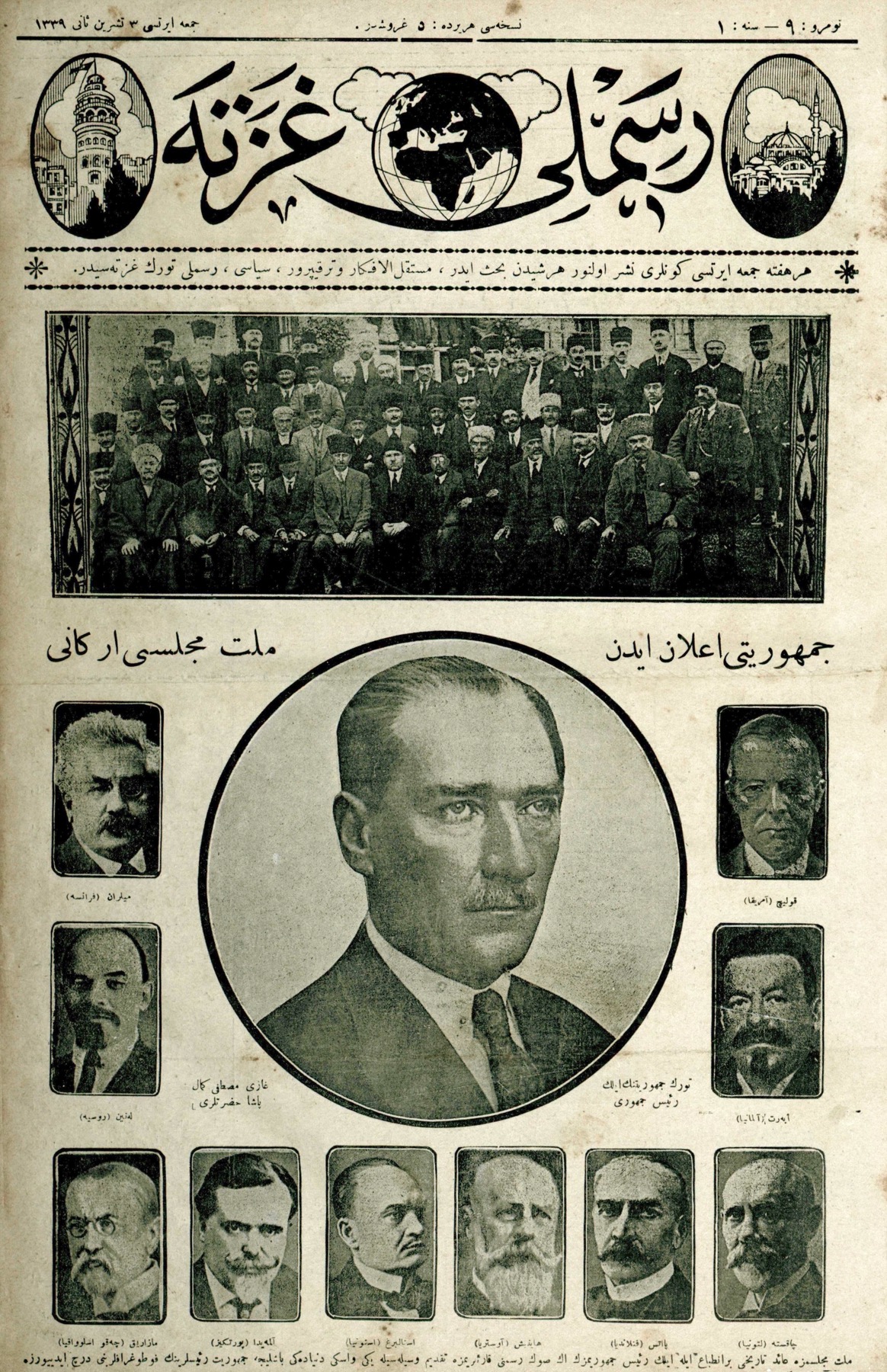
On 5 August 1921 the Assembly entrusted him with commander-in-chief powers. Sakarya posed a defensive problem following retreat; the Great Offensive of 1922 was a separately prepared offensive campaign. His role as commander-in-chief was not the same office as those held by İsmet and Fevzi Pashas. On 19 September 1921 he received the title Gazi and the rank of marshal. Dating these honours also helps readers identify how people were named in contemporary documents and photographs.
Military ascendancy in 1922 was followed by the Mudanya armistice and the Lausanne peace settlement in 1923. Negotiations were not an automatic conversion of battlefield victory into a single signature. The Republic was proclaimed on 29 October 1923 and Mustafa Kemal elected its first president. Making Ankara the capital, proclaiming the Republic and electing the president were related but separate decisions. Follow their institutions and legal forms as well as their dates.
↑ Back to dossier contents1924–1934 · Education, law and citizenship
The unification of education on 3 March 1924 reorganised authority over educational institutions within the new state. The 1928 alphabet change and Nation Schools required an organisation capable of reaching adults as well as children. Passing a law did not make the population literate overnight. Teachers, books, classrooms and everyday implementation were concrete means of change, while outcomes developed differently across places and generations.
The 1926 Civil Code and the staged extension of women's political rights show citizenship's connection to ordinary life. A process beginning with municipal political participation reached parliamentary suffrage and eligibility in 1934; the 1935 election then brought that change into parliamentary representation. An account based only on a gift from above overlooks women's own organisation and work. A legally recognised right and equal opportunity in every part of society also need to remain distinct.
↑ Back to dossier contents1924–1937 · Production, banking and experimental farms
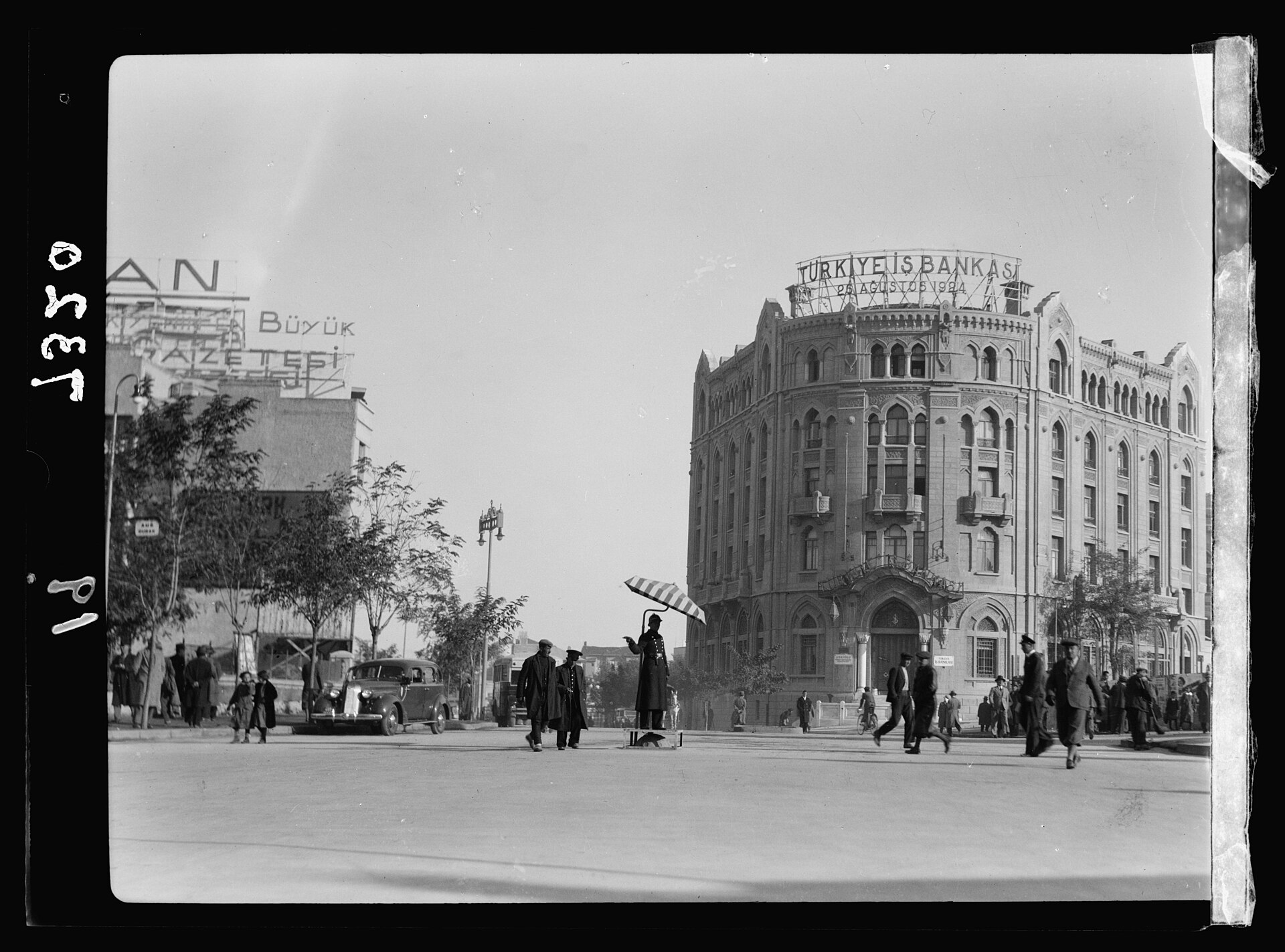
The establishment of İş Bank on 26 August 1924 makes the financing dimension of economic independence visible. The bank's institutional history identifies Atatürk's direction in its founding and Celal Bayar as its first general manager. President, bank manager, engineer and worker did not perform the same tasks. Instead of reducing industrial history to opening-day photographs, connect capital, production, supply and the roles of the people who operated these institutions.
Established in 1925, the Forest Farm brought together agricultural experimentation, animal husbandry and food processing. The donation document dated 11 June 1937 records the intention to transfer the farms, facilities, livestock and equipment to the Treasury. One experimental enterprise cannot stand as a measure of agricultural productivity across the entire country. Continue into the agriculture, factories and national-banking dossiers, keeping foundation, first production and later changes in legal status separate.
↑ Back to dossier contents1927–1934 · Nutuk, public language and the Atatürk name
Delivered on 15–20 October 1927, Nutuk is Mustafa Kemal's political interpretation of events from 1919 to 1927. It contains documents and is an essential first-hand source, but it is not a neutral encyclopaedia in which all participants speak equally. The 1927 edition catalogued by the parliamentary library offers a way to examine the original language and format. The Address to Youth forms its concluding appeal; a separate dossier presents the text with its historical setting.
The Tenth Anniversary Speech of 29 October 1933 is not simply the same speech shortened. It was a different address for a different anniversary. The 1934 Surname Law was a general measure; the Assembly's grant of the surname Atatürk on 24 November was a separate decision. Modern readers may refer to his entire life by that name, but retaining the name used in a document from 1915 or 1919 makes archival identification more precise.
↑ Back to dossier contents1936–1939 · Diplomacy and the limits of a lifetime
Signed on 20 July 1936, the Montreux Convention changed the Straits regime through diplomatic negotiation. It should not be described as unlimited authority resolving every foreign-policy question by one individual's declaration. Merchant shipping, warships and conditions of peace or war are distinct elements of its provisions. The diplomacy dossier examines these questions in more detail; here the agreement locates the international dimension of the biography.
Atatürk died at Dolmabahçe Palace on 10 November 1938 at 09:05. Hatay's incorporation into Türkiye in 1939 was not completed during his lifetime. Similarly, government decisions during the Second World War cannot be presented as direct acts of a president who had died in 1938. The influence of a peace and security outlook may be discussed, but İsmet İnönü's administration needs its own chronology of decisions, pressures and circumstances.
↑ Back to dossier contents1938 to today · Remembrance and historical evidence
His remains were initially kept at the Ethnography Museum in Ankara and transferred to Anıtkabir on 10 November 1953. Death, the first Ankara ceremonies and the later transfer are not the same date. Dolmabahçe, the First Assembly, the Ethnography Museum and Anıtkabir therefore open different chapters for visitors. Check current access arrangements with each institution: a historical photograph does not establish today's admission rules or opening conditions.
This biography is an entrance to the Republic atlas, not a limitless substitute for its individual dossiers. In campaigns, ask about maps and orders; in reforms, about laws and implementation; in economic history, about institutions and production; in commemoration, about the date of the image itself. A photograph's catalogue date, a documentary's publication date and the event it describes may differ. Preserving these distinctions clarifies Atatürk's importance, his collaborators and the institutions of the Republic rather than diminishing them.
↑ Back to dossier contentsAtatürk library: formation, sovereignty, reforms and modernisation
Atatürk library
Read one life at three depths
Special dossiers expanding the biography through military formation, national sovereignty and the institutions of the Republic.
Atatürk era · shared memory and modernization
From words to institutions, independence to development
Explore the National Anthem, Address to Youth, Tenth Anniversary Speech and Andımız: their texts, meanings and histories, alongside factories, farms, banks, railways, knowledge institutions and peace diplomacy.
01
Republic texts and shared memory
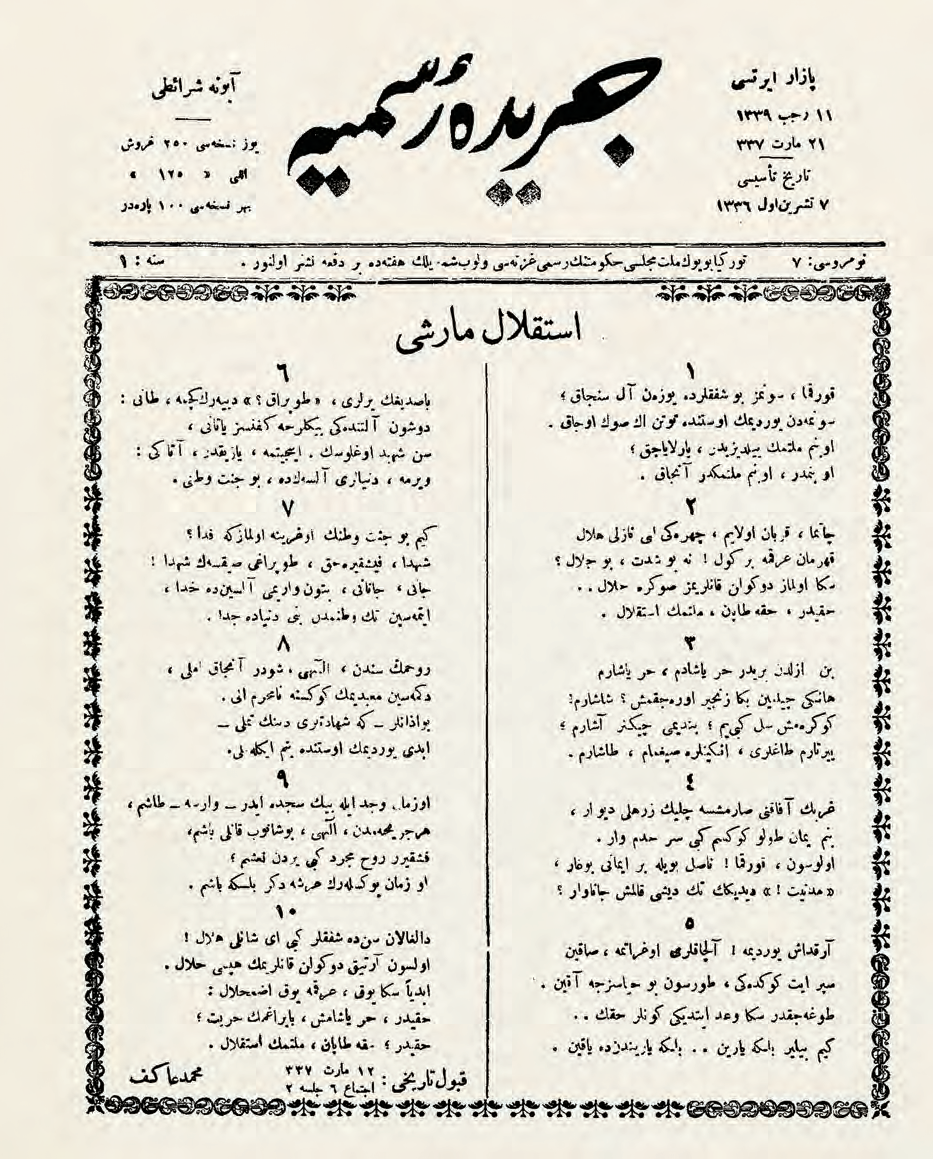 12 March 1921The Turkish National Anthem: a nation’s shared voiceRead the document and its meaning →
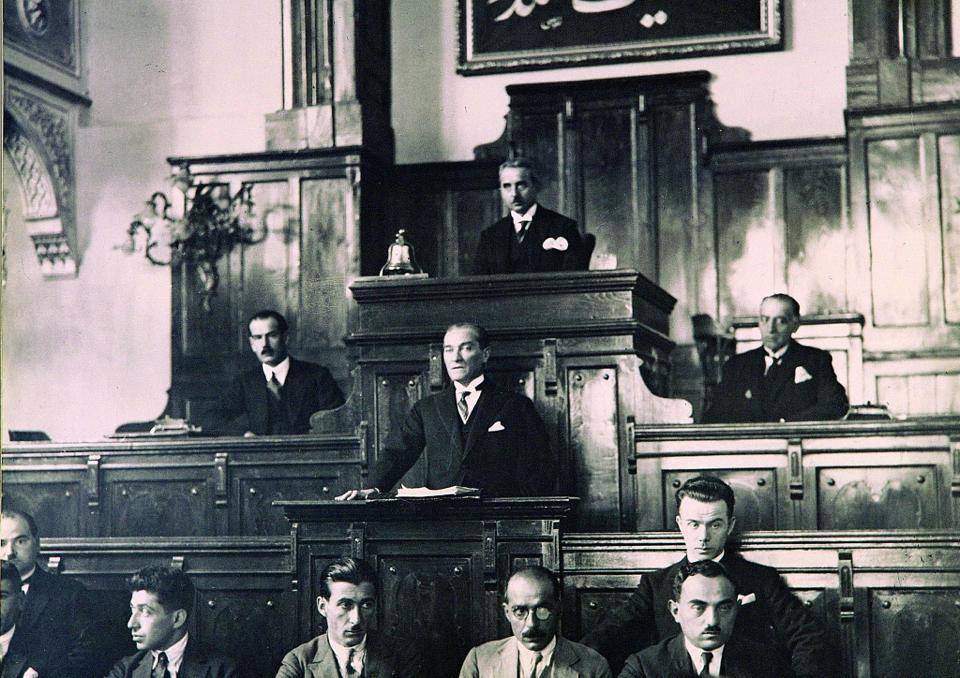 20 October 1927The Address to Youth: responsibility for the RepublicRead the document and its meaning →
 Since 1933 · text and memoryAndımız: history, meaning and full textRead the document and its meaning →
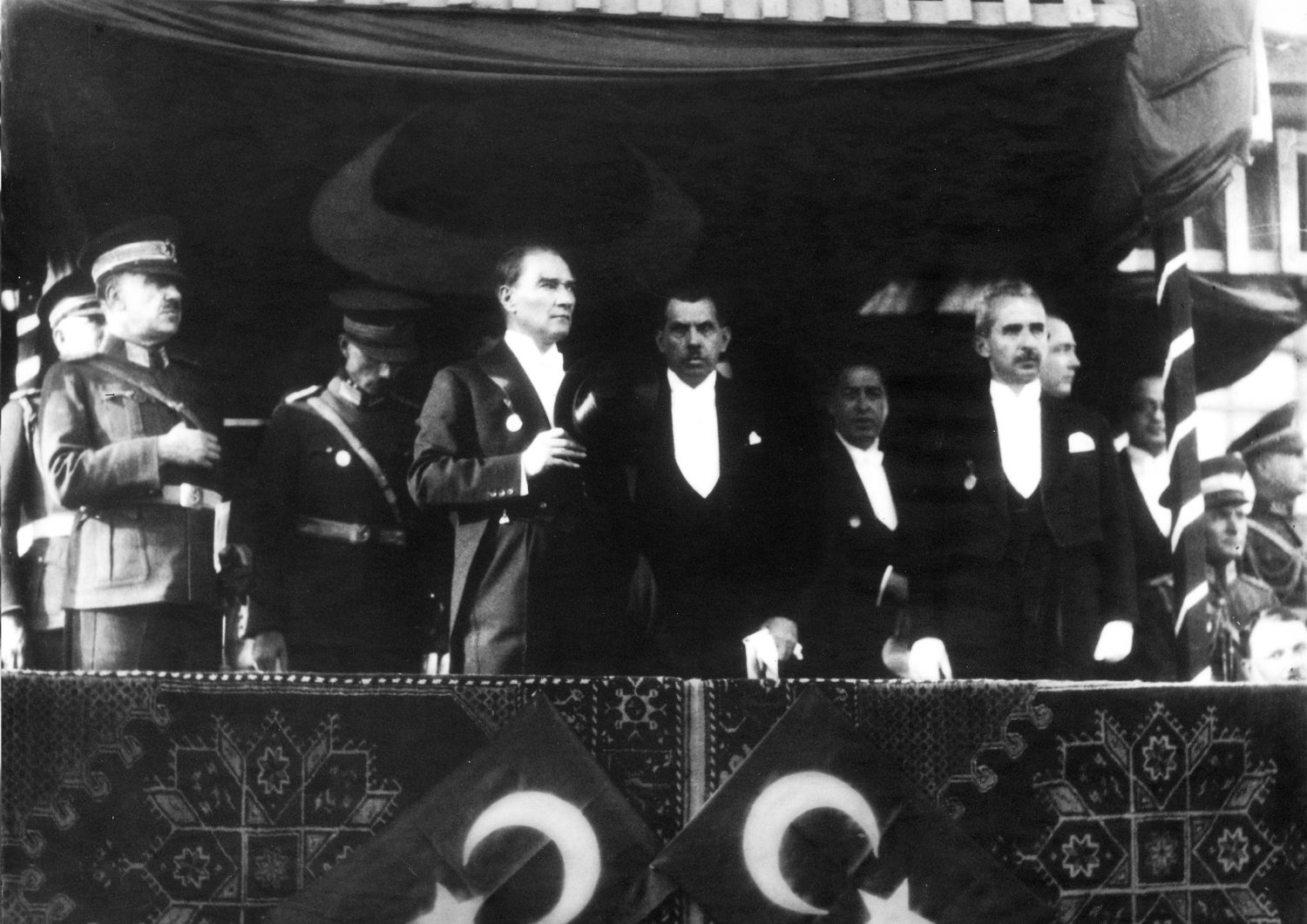 29 October 1933The Tenth Anniversary Speech: achievements and work aheadRead the document and its meaning →
02
Institutions of modernization
 17 February—4 March 1923The İzmir Economic Congress and economic sovereignty
Farmers, merchants, industrialists and workers debated the new state’s economic aims while Lausanne negotiations continued.
Explore →
26 August 1924—1938National banks, credit and monetary sovereigntyThe distinct roles of İş Bankası, the Central Bank, Sümerbank, Etibank, Halkbank and a reorganized Ziraat Bankası.
Explore → 1924—1938Railways, ports and connecting the country
Nationalization of foreign-concession lines and new routes connecting producing regions with centres.
Explore →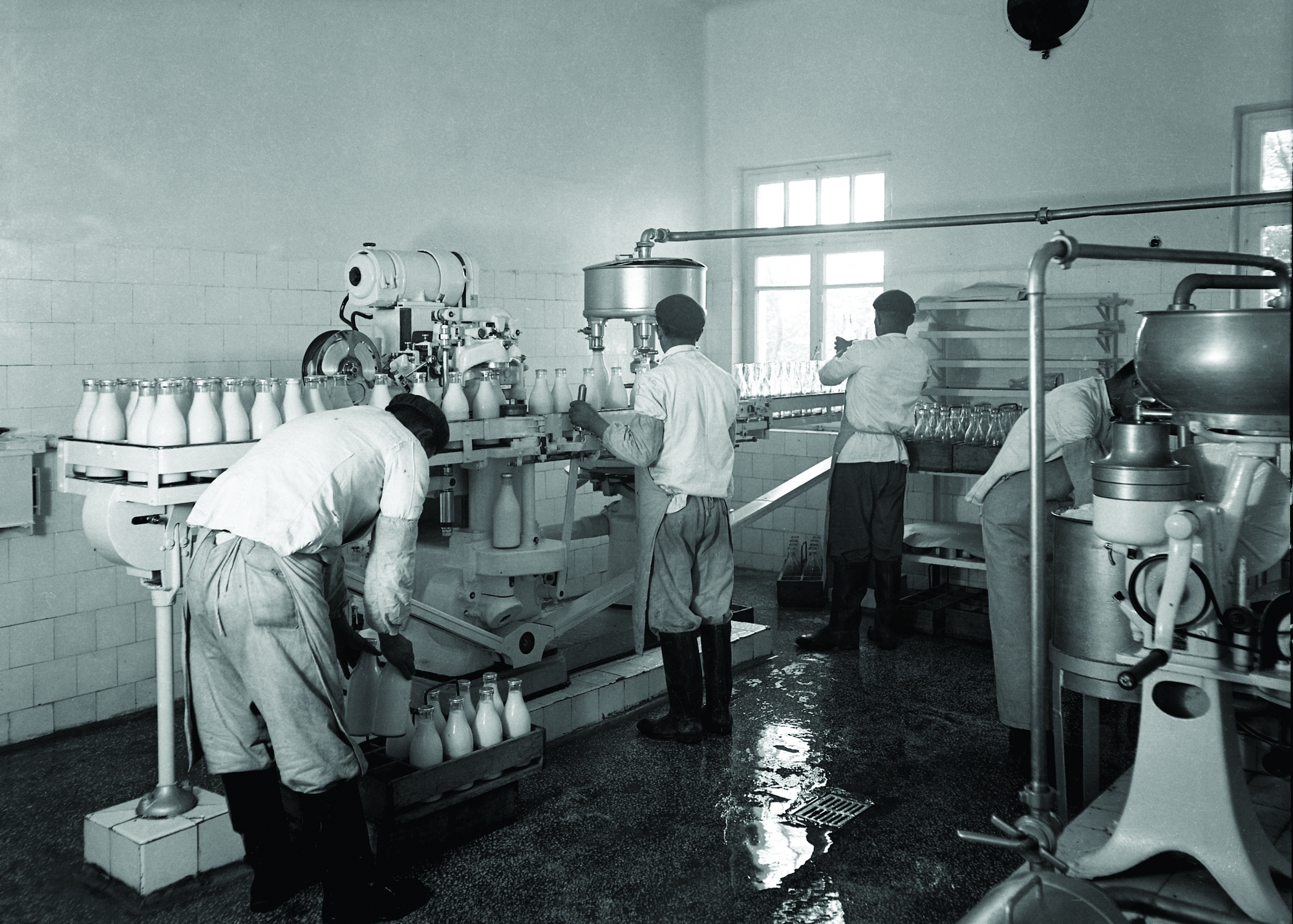 17 February 1925—1937Agriculture: tax, science, farms and cooperatives
Abolition of the tithe, model farms, scientific education, seed and animal breeding, and the search for credit.
Explore → 1933—1938Industrial plans, factories and production towns
From Sümerbank to Nazilli: textiles, paper, glass, mining and energy in planned industrialization.
Explore →
1924—1938Education, science, health, culture and public lifeA shared modernization line connecting unified education, the new alphabet, higher learning, public health, museums, conservatories and measurement standards.
Explore → 1932—23 February 1945The “peace at home” line and the Second World War
Continuity and distinction from the League, Balkan Entente, Montreux and Saadabad to the İnönü government’s wartime diplomacy.
Explore →Read the turning points together
- 1881
Born in Salonica
Ottoman Salonica; the birth year is given without presenting a later commemorative birthday as a contemporary birth record.
- 1899–1905
Military academy and staff college
Graduation as a lieutenant in 1902 and as a staff captain in 1905 were different educational stages.
- 1911–1913
Libya, the Balkans and Sofia
Campaign assignments and subsequent attaché duties belonged to his pre-republican Ottoman career.
- 1915
Gallipoli land command
The 19th Division and later Anafartalar Group involved different responsibilities from the naval defence of 18 March.
- 19 May–27 December 1919
From Samsun to Ankara
Circulars, congresses and representative organisation developed through successive political steps.
- 23 April 1920
Grand National Assembly
A legislative and governmental centre opened in Ankara; Mustafa Kemal was elected Assembly president.
- 5 August–19 September 1921
Command and Sakarya
Assembly powers preceded the battle; the title Gazi and rank of marshal followed it.
- 1922–29 October 1923
From offensive to Republic
Military victory was followed by armistice and peace negotiations; proclamation opened the first presidency.
- 1924–1928
Institutional and educational change
Educational unification, İş Bank, the farm and the alphabet developed in different fields on different dates.
- 1927 and 1933
Two different addresses
Nutuk and the Tenth Anniversary Speech were separate works with different historical purposes.
- 1934
Political rights and surname
Women's parliamentary voting and eligibility rights and the surname Atatürk were separate legal developments.
- 1936–1937
Montreux and the farm donation
The Straits convention dates to 1936; the farm donation document is dated 11 June 1937.
- 10 November 1938 / 10 November 1953
Death and transfer to Anıtkabir
Death at Dolmabahçe and the transfer fifteen years later are distinct; Hatay's incorporation dates to 1939.
Explore the archive and documentary context
TRT Haber
The road to the Republic · TRT archive-based report
A public historical report published on 29 October 2020, combining later narration with archival material. Its publication date is not the filming date of every sequence. Pair it with the campaign and Assembly dossiers rather than treating it as a complete biography.
Watch the official publication ↗Cumhuriyet · @CumhuriyetAtaturk
Anıtkabir: remembering Atatürk · Cumhuriyet channel
A commemorative video published on the publisher's public channel on 21 October 2020. It offers a remembrance context, not a verified contemporary record of the 1938 funeral or the 1953 transfer.
Choosing to load the player connects to YouTube and shares technical data such as your IP address with Google. Autoplay is off. This choice does not change your cookie preferences. The publisher may restrict regional access or embedding; the official link below provides an alternative.
Supported YouTube publications can be watched here by choosing to load their player. Videos are not copied onto our server. Interpret archive images alongside their production date and the narrator’s perspective; the official publication link remains as an alternative.
Questions and historical distinctions
Is 19 May a documented exact birth date?
The birth year is given as 1881. Adopting 19 May as a birthday creates a symbolic connection with the start of the national struggle; this page does not treat it as an exact day recorded at birth. Even brief official biographies differ in their level of dating. The year and a subsequently accepted commemorative day must be distinguished.
Did Atatürk independently command every campaign?
No. Ottoman and republican periods, fronts and levels of command are different. Division and group command at Gallipoli were not the same responsibility as commander-in-chief during the national struggle. Other commanders, the Assembly, local organisations, soldiers and civilian support need to remain visible if events are to be explained adequately.
Are Nutuk and the Tenth Anniversary Speech the same work?
No. Nutuk was delivered in 1927 and presents an extended political history of 1919–1927, ending with the Address to Youth. The Tenth Anniversary Speech was a different address on 29 October 1933. Combining them under one title confuses their dates and purposes.
How do Hatay and the Second World War relate to this biography?
Atatürk-era diplomacy concerning Hatay can be discussed, but incorporation took place in 1939 after his death. The outbreak of the world war and Türkiye's wartime policy also belong to the succeeding administration's chronology. The legacy of an approach and a later government's direct decision are not interchangeable.
Archive note
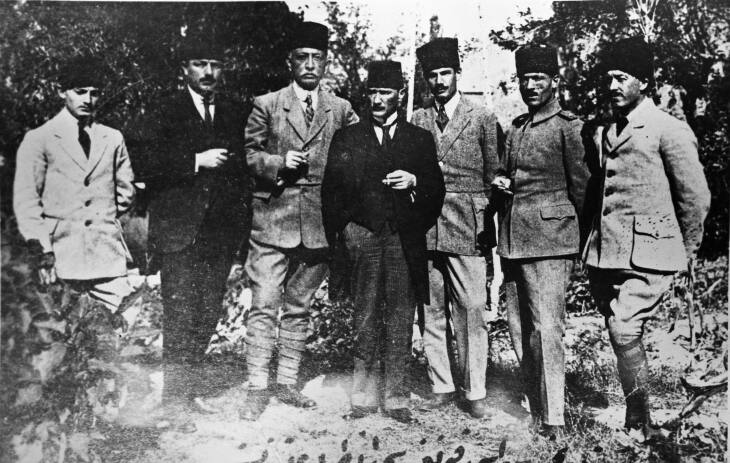
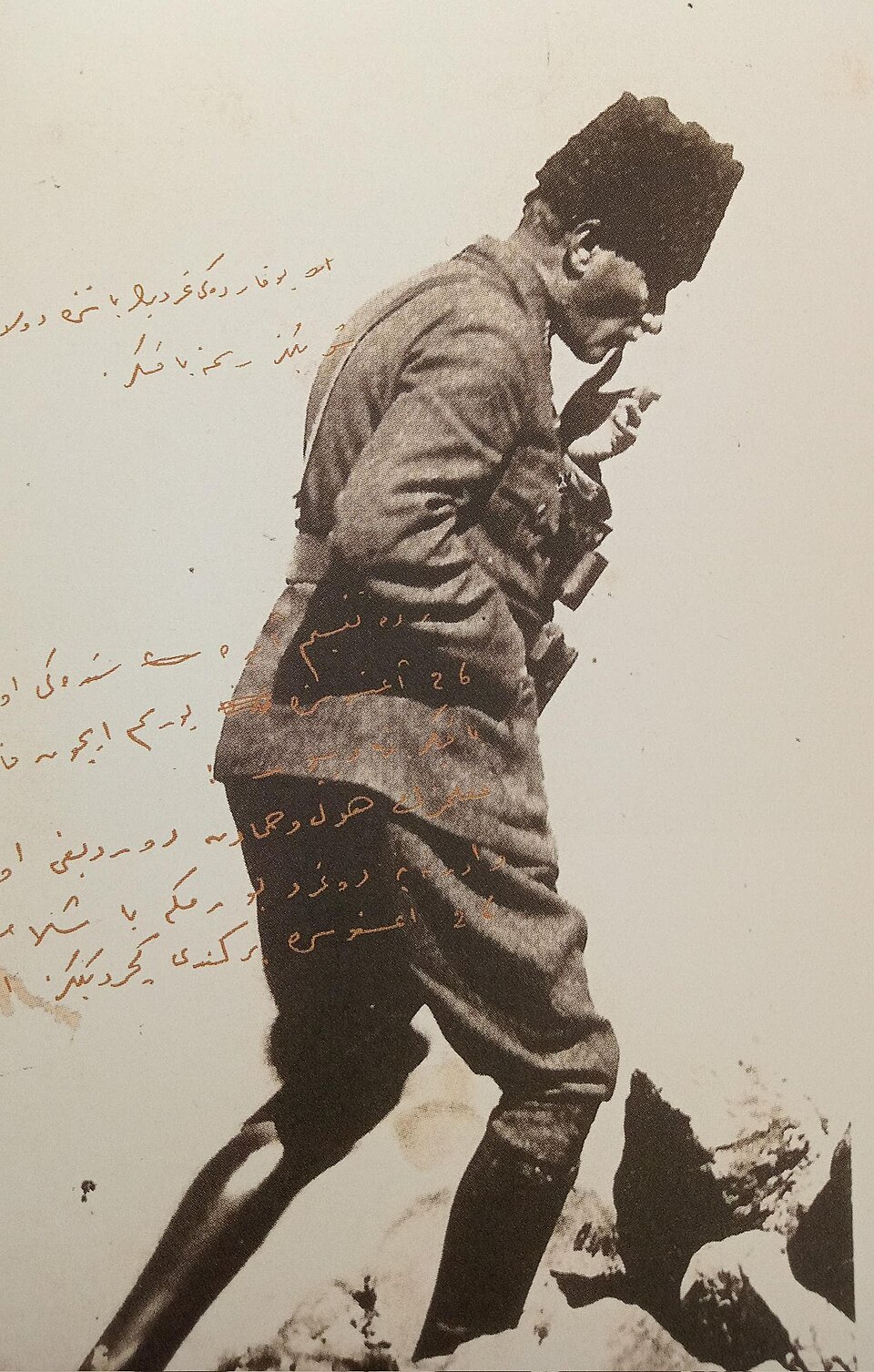
Archive images for wider context

Cumhuriyet Atlas
Continue the story here
29 October 1923—10 November 1938
Reforms during Atatürk’s presidency
New institutions in law, education, script, citizenship and everyday life.
Explore →
13 October 1923
Ankara becomes the capital
The operational centre of the National Struggle became the constitutional capital of the new state.
Explore → 29 October 1923
Proclamation of the Republic
The national-sovereignty system developing since 1920 was formally named a republic.
Explore →Cumhuriyet
See the story in motion
Selections from our channel. Watch, open a related dossier and keep exploring.
Explore the video library → 3:14
Atatürk & remembrance
Anıtkabir: remembering Atatürk
A visual commemoration of Anıtkabir and Atatürk’s memory, with links to his biography and our 10 November dossier.
Watch & explore →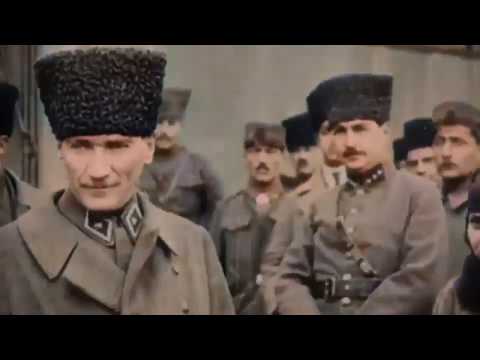 12:34
Atatürk & remembrance
A reflection on Atatürk and hope
A channel narrative on Atatürk and hope, paired with his biography and our Address to Youth dossier.
Watch & explore → 1:33
Atatürk & remembrance
Atatürk in black-and-white footage
The channel’s selection of black-and-white Atatürk footage, linked to his chronological biography.
Watch & explore →Documents and sources21 sources
Official reference points used to verify the chronology and interpretive frame on this page.
- Atatürk, Gazi Mustafa Kemal ↗Atatürk Ansiklopedisi
Biographical chronology of service and leadership.
- Mustafa Kemal Atatürk ↗Millî Savunma Bakanlığı
Military postings and biographical records.
- Institutions where Atatürk studied ↗Atatürk Ansiklopedisi
Sequence of schools and staff education.
- Proclamation of the Republic ↗Atatürk Ansiklopedisi
Government crisis, constitutional amendment and election of the first president.
- MSB · Atatürk kronolojisi ↗ata.msb.gov.tr
- MSB · Harp Akademisindeki öğrenimi ↗ata.msb.gov.tr
- MSB · Millî Mücadele ve önceki askerî görevler ↗ata.msb.gov.tr
- TBMM · Kurtuluş Savaşı Müzesi ve Birinci Meclis ↗www.tbmm.gov.tr
- ATAM · Tevhid-i Tedrisat Kanunu ↗www.ataturkansiklopedisi.gov.tr
- ATAM · Millet Mektepleri ↗ataturkansiklopedisi.gov.tr
- ATAM · Atatürk döneminde kadın hakları ↗ataturkansiklopedisi.gov.tr
- ATAM · Kadın temsiliyeti ve 1935 seçimleri ↗ataturkansiklopedisi.gov.tr
- İş Bankası · Kuruluş tarihi ↗www.isbank.com.tr
- Atatürk Orman Çiftliği · Tarihçe ve 11 Haziran 1937 bağış belgesi ↗www.aoc.gov.tr
- ATAM · Nutuk'un hazırlanması ve okunması ↗www.ataturkansiklopedisi.gov.tr
- TBMM Kütüphanesi · Nutuk, 1927 baskısı ↗acikerisim.tbmm.gov.tr
- ATAM · Onuncu Yıl Nutku ↗ataturkansiklopedisi.gov.tr
- ATAM · Soyadı Yasası ↗atam.gov.tr
- ATAM · Montrö Boğazlar Sözleşmesi ↗ataturkansiklopedisi.gov.tr
- ATAM · Atatürk'ün naaşının Anıtkabir'e nakli ↗ataturkansiklopedisi.gov.tr
- Türk Dünyası Ansiklopedisi · Hatay Devleti, 1938–1939 ↗turkdunyasiansiklopedisi.gov.tr