Para sport is neither one competition nor a universal system that classifies every impairment identically. Swimming, table tennis, athletics and team sports organise competition around their own fundamental actions. This guide helps explain events without reducing an athlete to a code. Its purpose is not medical diagnosis, but understanding the sporting skills and competitive conditions through which a result is produced.
- Core principle
- Sport-specific functional evaluation
- Swimming codes
- S · SB · SM
- Athletics codes
- T · F
From a rehabilitation beginning to elite competition
The Stoke Mandeville competitions of 1948 were an important precursor of the Paralympic movement. Rome 1960 is recognised as the first Paralympic Games. This beginning provides historical foundations, but does not justify narrating every contemporary athlete’s career solely as a rehabilitation story.
Today’s Para athletes compete through skill, tactics, strength and endurance. A medal is a sporting result won against opponents, not simply the overcoming of personal difficulties. It is possible to preserve the social importance of the origins while recognising the technical character of present competition.
Back to contentsEligibility before a sport class
The IPC framework considers an eligible impairment and the sport’s minimum criteria before assigning a class according to its effect on competition. A diagnosis does not create automatic eligibility in every Para discipline. Evaluation follows the relevant sport’s rules through a specialist classification process.
A class code is not a label defining a person. Athletes in the same class may have different appearances or health histories. Declaring a class or an unfair advantage from a photograph disregards the functional assessment through which the competition is organised.
Back to contentsSwimming: S, SB and SM
The S prefix is used for freestyle, backstroke and butterfly; SB applies to breaststroke. SM is an entry index for individual medley. Different codes for one swimmer in different strokes are not necessarily an error, because the actions required are different. Read the code alongside the distance and stroke.
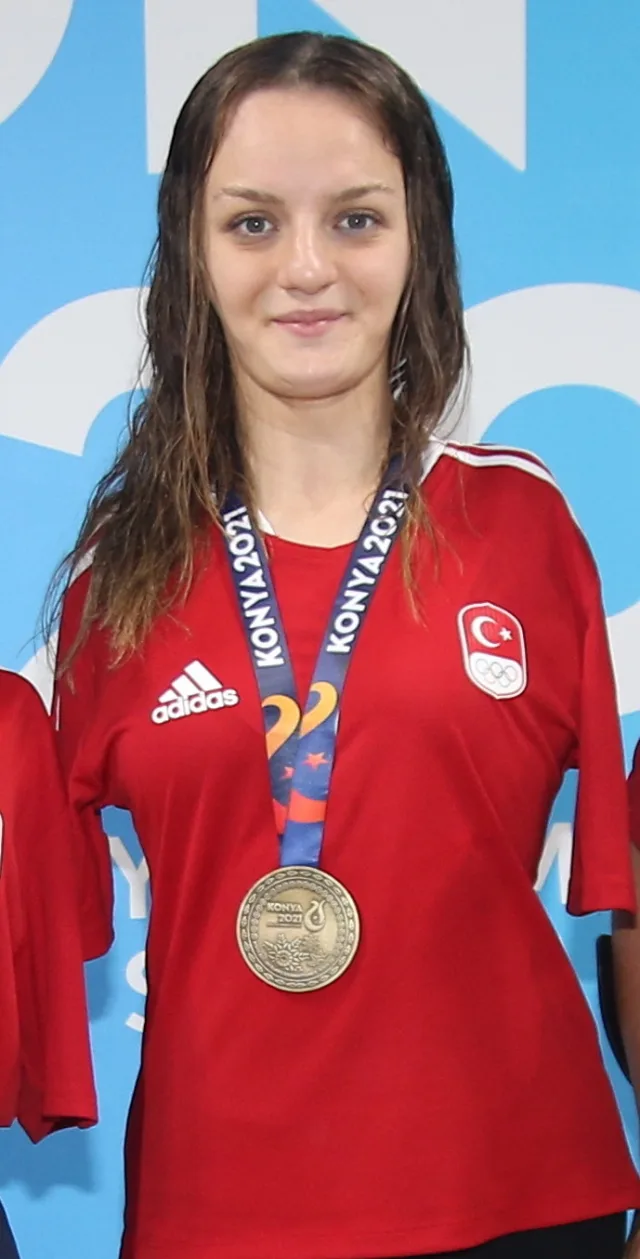
S5 and S10 results are not successive places in one medal ranking: they belong to different classes. Sümeyye Boyacı’s S5 backstroke dossier makes that principle concrete through an individual career. A lower number should never become a general measure of a person’s character or the difficulty of their life.
Back to contentsNumbers change across disciplines
In Para athletics, T appears in track and jumping classifications and F in throwing classifications. The following number identifies the relevant group within that system. A T code cannot be placed beside a table tennis or swimming code on one universal scale of impairment.
A useful report should therefore say more than gold medal. Sport, competition, distance or discipline, class and date allow the reader to understand the result. Team sports may also have rules governing team composition alongside individual classification; their current sport-specific rules provide the necessary detail.
Back to contentsCan a sport class change?
Class status can indicate whether review is required. Development in a young athlete, a new assessment or a rule update may affect the process. A changed class is not, on its own, evidence of misconduct. Such a claim requires an explicit official decision from the relevant authority.
General IPC explanations and sport-specific texts may be updated at different times. This dossier explains principles; it is not an official eligibility decision or legal appeal guide. Anyone entering competition must use the rules currently in force for that discipline rather than treating an explanatory article as binding.
Back to contentsWatching better and reporting accurately
Learn the athlete’s name, then the sport and event. A code supplies supporting information where it helps explain the contest. Pity, assumed medical details or describing every achievement as a miracle can push training, decision-making and tactical labour into the background.
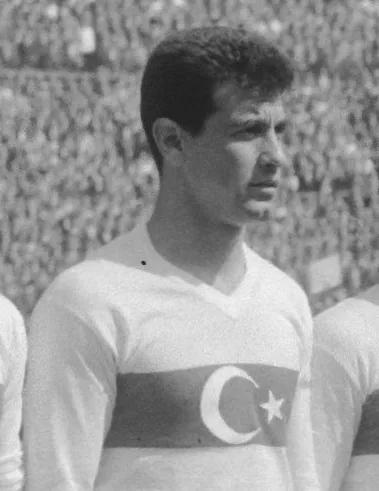
Read results and interviews for different purposes: the result records competition, while the interview gives access to experience. Continue through Sümeyye Boyacı and Umut Ünlü to see that Para sport is not one movement pattern. Do not add Paralympic medals to an Olympic total; the Games retain separate names and records.
Back to contentsA timeline of life, work and history
- 1948
The Stoke Mandeville precursor
The competitions formed an important beginning for what developed into an international Paralympic movement.
- 1960
Rome Paralympic Games
The first Paralympic Games form a historical milestone in today’s competition tradition.
- 1989
Foundation of the IPC
The International Paralympic Committee was founded in Düsseldorf on 22 September.
- 2016
Rio visual context
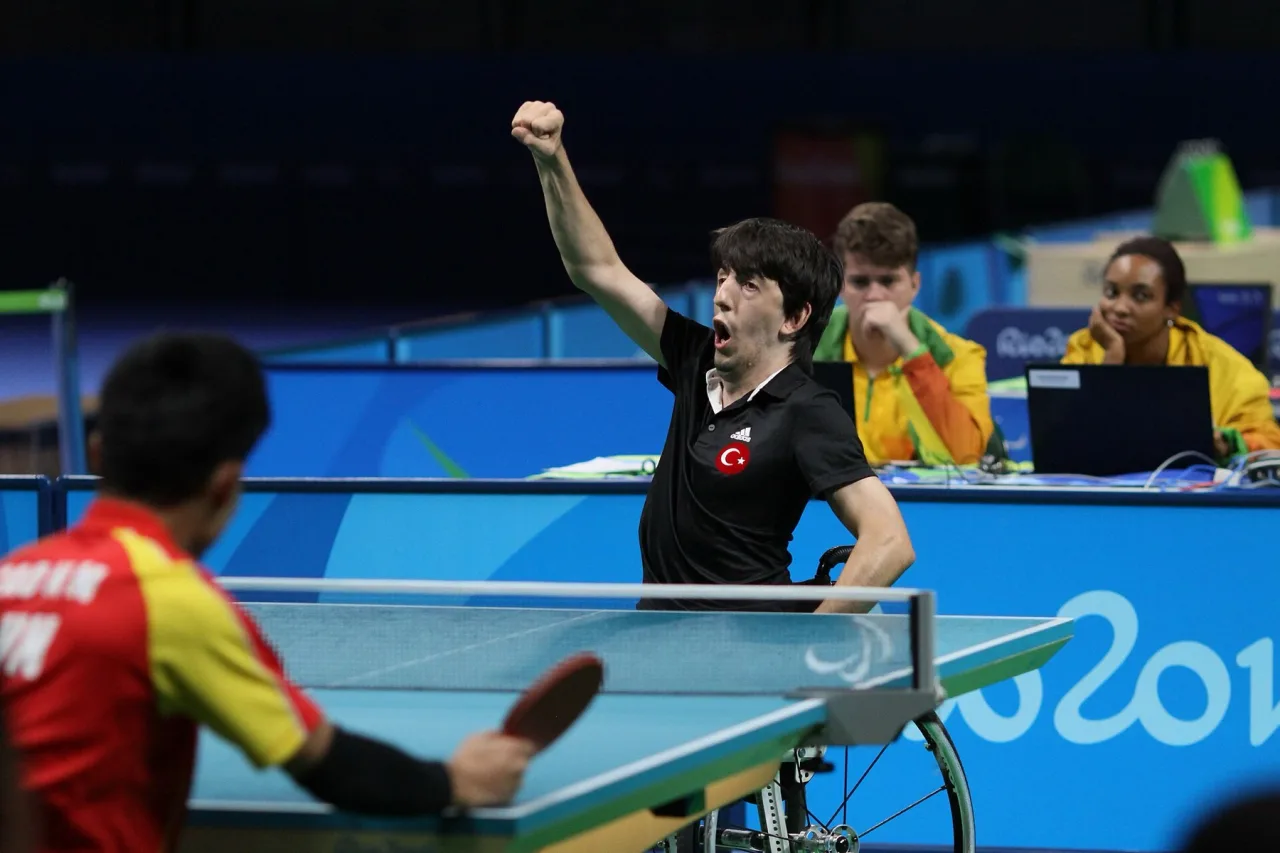
The photograph used here shows Abdullah Öztürk competing in Para table tennis at Rio.
Watch and listen: a visual reading path
Use this selection alongside the analysis above. Supported YouTube publications can be watched on this page after you choose to load their player. The publisher’s rights and availability conditions apply; the player does not load or start automatically. Official publication links remain available as an alternative.
TRT World
Sümeyye Boyacı: the athlete’s own voice
Complement the guide with a Para swimmer’s experience, without inferring medical diagnoses or classification decisions from an interview.
Watch the official publication ↗Questions and explanations
Does the same diagnosis mean the same class?
No. Evaluation concerns the functional effect on the sport’s fundamental actions. The name of a health condition alone does not establish a competition class.
Can S5 and T11 be compared directly?
No. One belongs to swimming and the other to athletics. Numbers in different sports and classification families do not form a universal ranking.
Does this guide assign an official class?
No. It offers explanations for viewers. The authorised process under the relevant sport’s current rules determines eligibility and class.
Sources, image rights and research method
This is original explanatory and analytical writing informed by the sources below. AI assisted research and drafting. Awards for people, teams and institutions are distinguished; dated results are not current rankings. Media links do not claim a licence to republish a video here. Use the publisher’s correction process if a fact is wrong.
- IPC · Foundation on 22 September 1989 ↗ Source check: 2026-10-03
- IPC · Classification principles ↗ Source check: 2026-10-03
- World Para Swimming · Classification and S, SB, SM ↗ Source check: 2026-10-03
- World Para Athletics · Classification ↗ Source check: 2026-10-03
- IPC · History of the Paralympic Games ↗ Source check: 2026-10-03