

← Back to History of the Republic
Bahar / Wikimedia Commons · CC BY-SA 3.0 ↗ Sport history · water and wind
Sailing, rowing, canoeing, swimming and diving
Sailing reads the wind; rowing and canoeing turn rhythm into boat speed; swimming and diving test the body under different aquatic rules. Safety, environmental knowledge and accessible facilities underpin them all.
1923—todayThree seas · lakes · rivers
Sailing competition off Çeşme, June 2007.
At a glance
- Swimming
- Pool + open water
- Boat
- Sail + row + canoe
- Depth
- Diving + underwater
- Shared base
- Water safety
On, in and beside the water
Türkiye's coasts, lakes and rivers provide settings for many sports, but a shared aquatic environment does not make them equivalent competitions. Pool swimming is organised around lanes and walls, whereas open-water swimmers must also negotiate direction, pack position and changing conditions. Sailing, rowing and canoeing use different means of propulsion. Diving, artistic swimming and water polo may occupy the same aquatic centre yet belong to distinct technical worlds. This guide treats water sport as more than a summer holiday activity. Naming an athlete's discipline, boat and competition accurately preserves the meaning of an achievement instead of merging everything into an indistinct maritime category.
↑ Back to dossier contentsSailing: reading the wind and selecting a route
The fastest sailing route is not necessarily the shortest line drawn on a map. Wind direction, marks and the tactical position of other boats shape the available choices. The sailor must connect boat balance, sail adjustment and manoeuvre timing. Fleet racing involves many competing boats; match racing concentrates tactics into a two-boat contest. One-design competition also differs from racing in which dissimilar boats receive ratings or handicaps. For a spectator ashore, the first boat reaching a mark is only part of the explanation. Starting position, speed lost during a turn and the side chosen on the next leg help reveal how the race is being constructed.
↑ Back to dossier contentsWhy rowing and canoeing are different
Rowers propel a boat using attached oars, generally facing away from the direction of travel. Sculling gives each rower two oars; sweep rowing uses one per athlete. Within canoe sport, a kayaker sits and uses a double-bladed paddle, while canoe disciplines use a single blade. Sprint, slalom and other disciplines then create additional differences. Producing sustained speed on flat water is not the same task as selecting a line through gates on a moving river. In crew boats, being individually powerful is insufficient: coordinated movement affects the boat's flow. The shape of a hull and paddle in a photograph therefore provides meaningful sporting information rather than a merely decorative detail.
↑ Back to dossier contentsDiving, underwater disciplines and aquatic teams
Olympic diving involves movements performed from a springboard or platform and completed with entry into the water. Freediving, scuba diving, finswimming and underwater imaging are not alternative names for it. Artistic swimming combines technical movement with coordinated presentation; water polo combines swimming with a direct ball-game contest. Substantial work maintaining position may lie beneath the visible surface, especially in artistic swimming and water polo. A broad account of Türkiye's aquatic sports needs appropriate images and explanations for each discipline. A photograph of scuba equipment beside a competitive platform-diving result remains a misleading association even though both images concern water. Accurate visual distinctions make the sporting information easier to understand.
↑ Back to dossier contentsSporting culture and safe access
Facilities and environment cannot be separated in water sport. A club's boathouse, storage, allocated pool time and accessible changing areas help determine whether participation can be sustained. An attractive sea or lake does not mean every location is suitable for unsupervised training. Currents, changing weather and local operating rules introduce different risks; newcomers need qualified instruction and an organised setting. This page explains what disciplines measure rather than providing technical diving or rescue instructions. Türkiye's aquatic sporting memory includes international medals but also the long relationship that coastal and inland clubs, women's and men's crews and young newcomers develop with their sport. That everyday continuity belongs beside the exceptional championship moment.
↑ Back to dossier contentsArchive note
Archive images for wider context


Cumhuriyet Atlas
Continue the story here
Career landmark · 2018
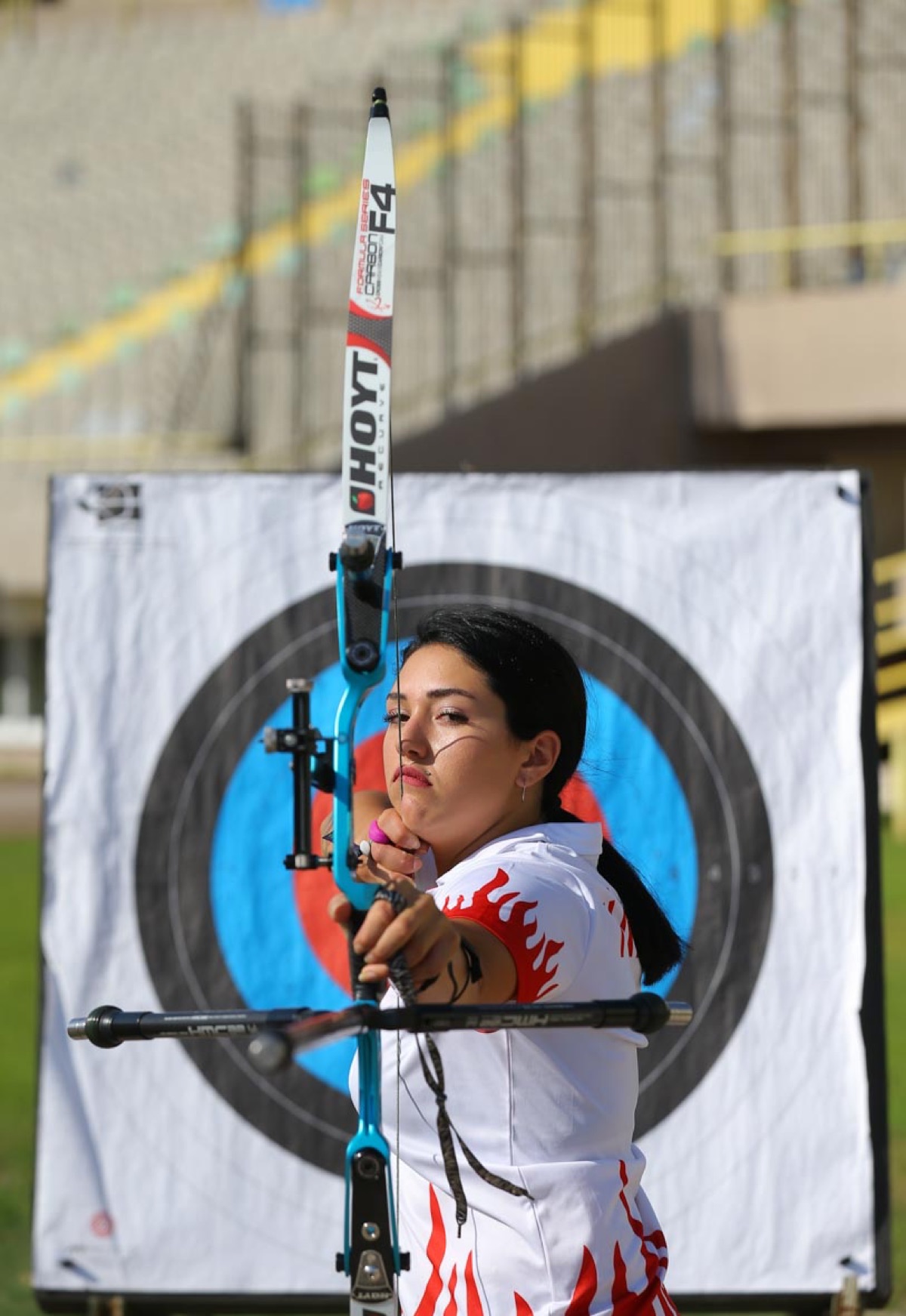
Yasemin Ecem Anagöz: A European title with the recurve bow
Yasemin Ecem Anagöz is an important contributor to Türkiye’s international success in women’s recurve archery.
Explore →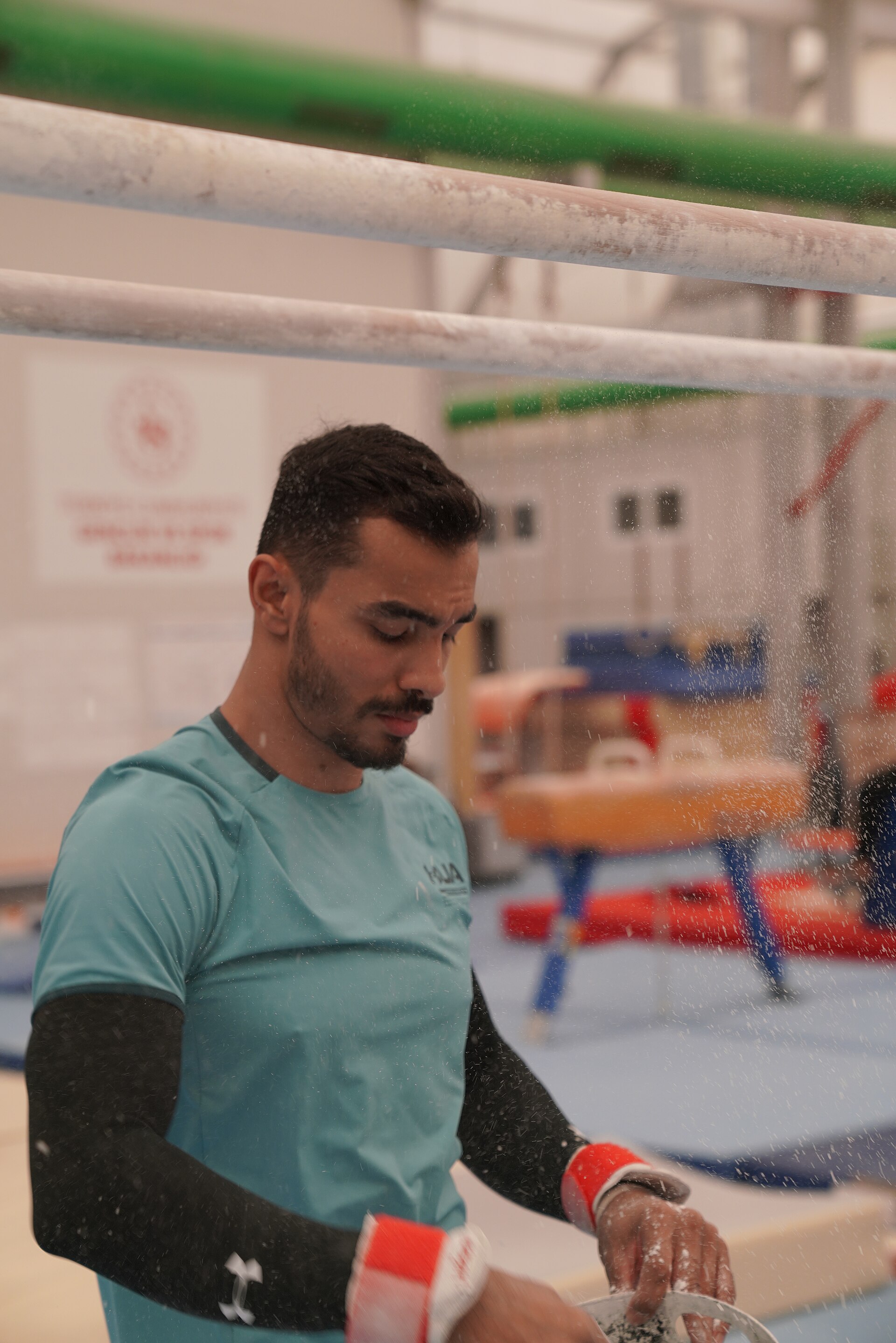
1930s—today
Athletics, gymnastics and swimming
Three foundational sport families competing against time, distance and technical precision.
Explore →
Career landmark · 2019
Beril Böcekler: Youth podiums and distance freestyle
Beril Böcekler became a visible name in women’s freestyle through international youth-level performances.
Explore →Documents and sources5 sources
Official reference points used to verify the chronology and interpretive frame on this page.
- The six aquatics disciplines ↗World Aquatics
Published by World Aquatics: The six aquatics disciplines. Supports the relevant results or rules context in this dossier.
- Types of sailing competition ↗World Sailing
Published by World Sailing: Types of sailing competition. Supports the relevant results or rules context in this dossier.
- Sculling and sweep rowing ↗World Rowing
Published by World Rowing: Sculling and sweep rowing. Supports the relevant results or rules context in this dossier.
- Canoe and kayak differences ↗ICF
Published by ICF: Canoe and kayak differences. Supports the relevant results or rules context in this dossier.
- Türkiye sports federation directory ↗GENÇLİK VE SPOR BAKANLIĞI
Official federation directory for Olympic, Paralympic, traditional and emerging sports.