
← Back to History of the Republic
Astro Medya Org. Ltd. ŞTİ. / Wikimedia Commons · CC BY 2.0 ↗ Sport history · weightlifting
Weightlifting: Naim, Halil and the technique of strength
Weightlifting depends on speed, mobility, balance and competition tactics as much as absolute strength. Naim Süleymanoğlu and Halil Mutlu joined the select group to win three consecutive Olympic titles.
1988—2004Seoul · Barcelona · Atlanta · Sydney · Athens
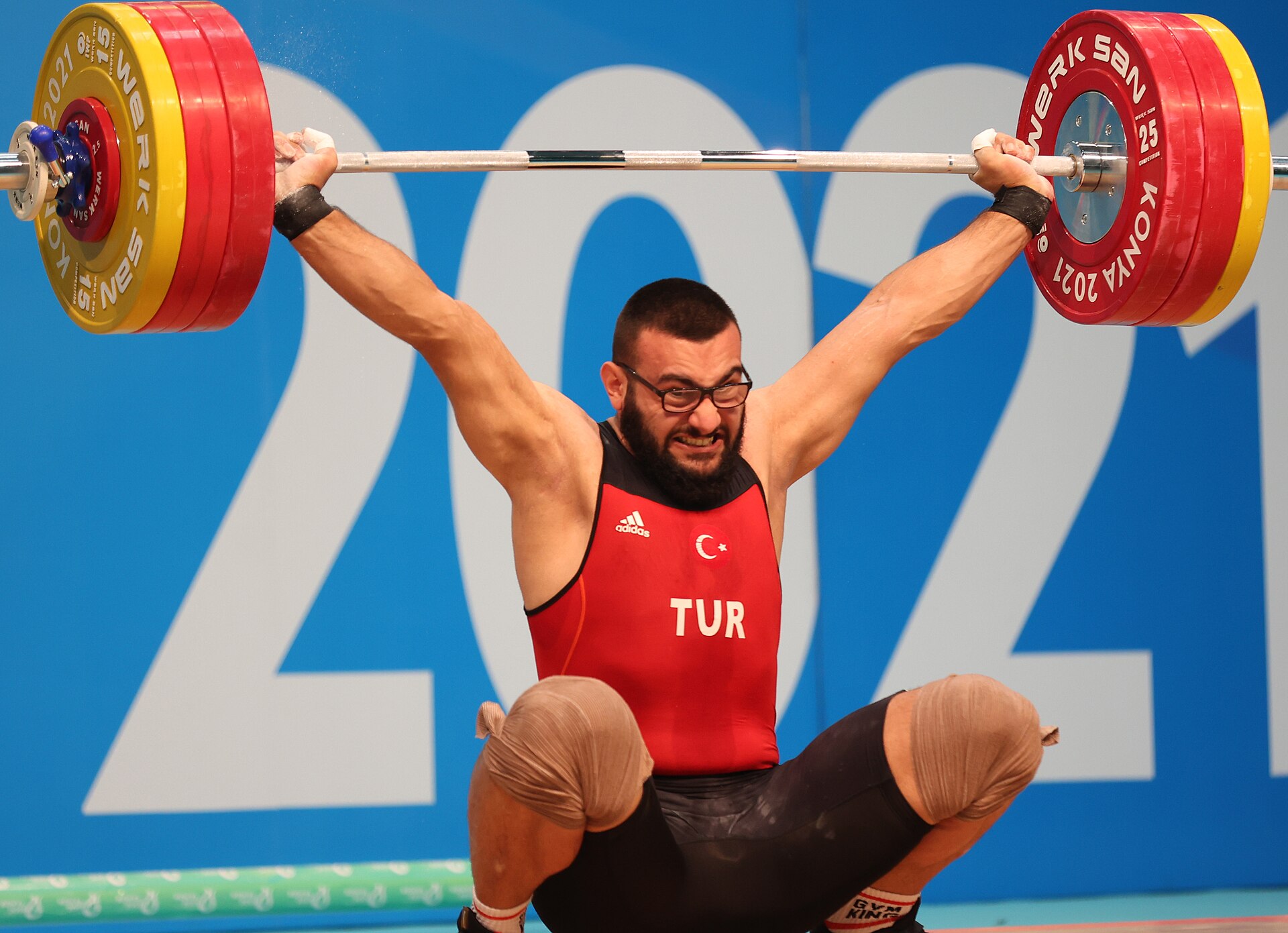
Men’s weightlifting snatch at the fifth Islamic Solidarity Games in Konya, 2022. This contemporary photograph does not depict Naim Süleymanoğlu or Halil Mutlu.
At a glance
- Naim
- 3 Olympic golds
- Naim’s records
- 46 world records
- Halil
- 3 Olympic golds
- Lifts
- Snatch + clean & jerk
Strength becomes a technical performance
Weightlifting asks viewers to watch how a load is controlled, not just read the kilograms on the bar. In the snatch, the bar travels from the floor to overhead in one continuous movement. The clean and jerk first brings it to the shoulders before the athlete drives and stabilises it overhead. A competition total combines the best valid result in each lift, so a heavy clean and jerk cannot produce a total without a valid snatch. Bar distance, the timing of the athlete's movement underneath it and the final balance turn strength into a judged result. The apparently brief attempt contains several distinct technical moments.
↑ Back to dossier contentsNaim Süleymanoğlu's three Olympic peaks
Naim Süleymanoğlu's gold medals at Seoul 1988, Barcelona 1992 and Atlanta 1996 form Türkiye's most familiar weightlifting sequence. His Seoul performance comprised a 152.5-kilogram snatch, a 190-kilogram clean and jerk and a 342.5-kilogram total. Born in Bulgaria and later representing Türkiye, he also connects sporting history with migration and belonging. Understanding his lifting requires more than repeating a famous nickname. In archive footage, separating the rising bar from the lifter's rapid movement underneath it reveals the technical speed involved. Preparing successfully for successive Olympic cycles also represents a much longer competitive story than a single exceptional afternoon on the platform.
↑ Back to dossier contentsHalil Mutlu and another three-title sequence
Halil Mutlu continued that history with Olympic victories at Atlanta 1996, Sydney 2000 and Athens 2004. His progression from fifth place at Barcelona 1992 to three consecutive titles gives international experience a visible place in the career narrative. Comparing Mutlu and Süleymanoğlu requires keeping their weight categories and competitive eras intact: removing those conditions and simply comparing kilograms creates a misleading contest between careers. Mutlu's performances can likewise be watched as the gradual construction of a total rather than isolated spectacular lifts. Athlete and coaching team must preserve the prospect of a valid result while responding to what is needed to remain in contention.
↑ Back to dossier contentsA strategy built across six attempts
Three attempts in each lift make the opening weight consequential. A secure start can establish a route to a total; an ambitious increase may pressure an opponent; a failed attempt reduces the remaining options. Timing between the warm-up room and the platform matters because other lifters' requested weights can change the order. For a viewer, three separate ideas are useful: the requested weight, the successfully completed lift and the resulting total. Keeping them distinct explains why a celebrated personal attempt might not change the standings, or why a relatively small increase could be enough for a medal. The scoreboard is therefore a record of decisions as well as strength.
↑ Back to dossier contentsA legacy larger than a record list
A meaningful Turkish weightlifting archive also includes women, junior pathways and the coaching knowledge behind prominent champions. An Olympic medal, a world-championship medal in one lift and a total medal are not equivalent records. When weight categories change, historical records remain attached to their original conditions; that context clarifies rather than diminishes past achievement. Süleymanoğlu's death in 2017 means his sporting career should be written as completed history, while later generations belong to an evolving competitive landscape. Visual presentation matters too: a genuine weightlifting photograph, the lift being attempted and its competition date communicate something specific. Images from unrelated strength sports cannot explain the distinctive technique of this platform.
↑ Back to dossier contentsArchive note
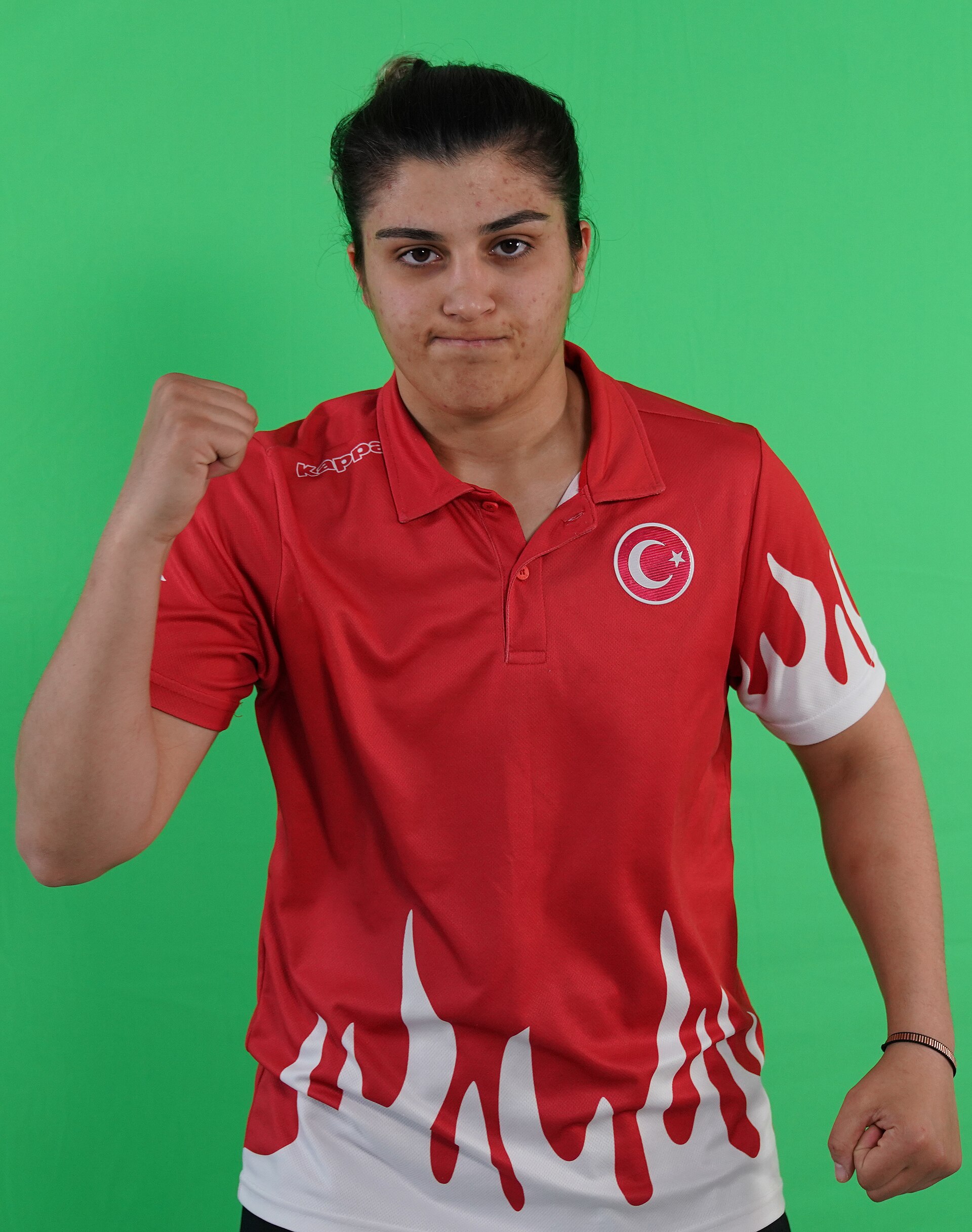
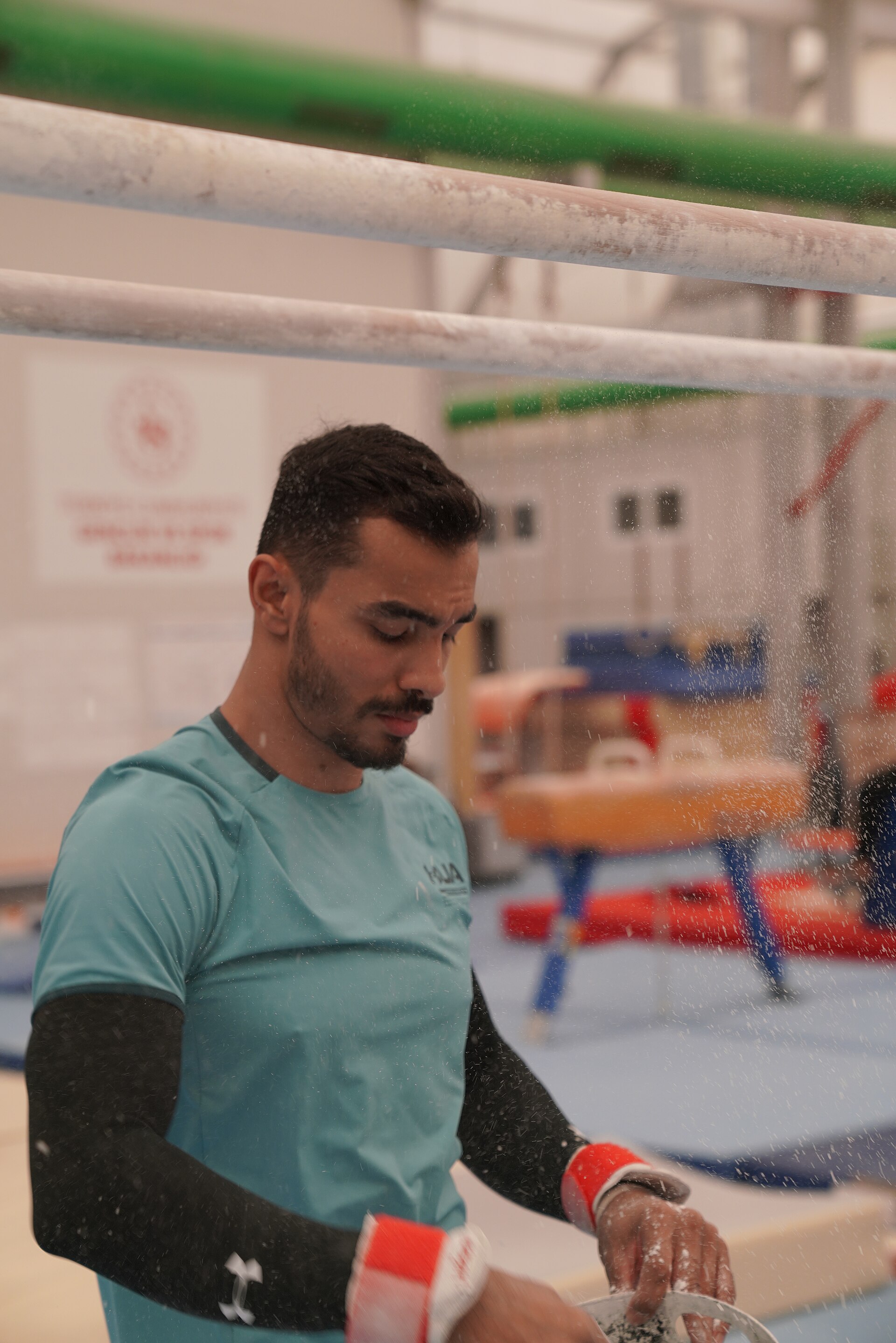
Archive images for wider context
Cumhuriyet Atlas
Continue the story here
1930s—today
Athletics, gymnastics and swimming
Three foundational sport families competing against time, distance and technical precision.
Explore →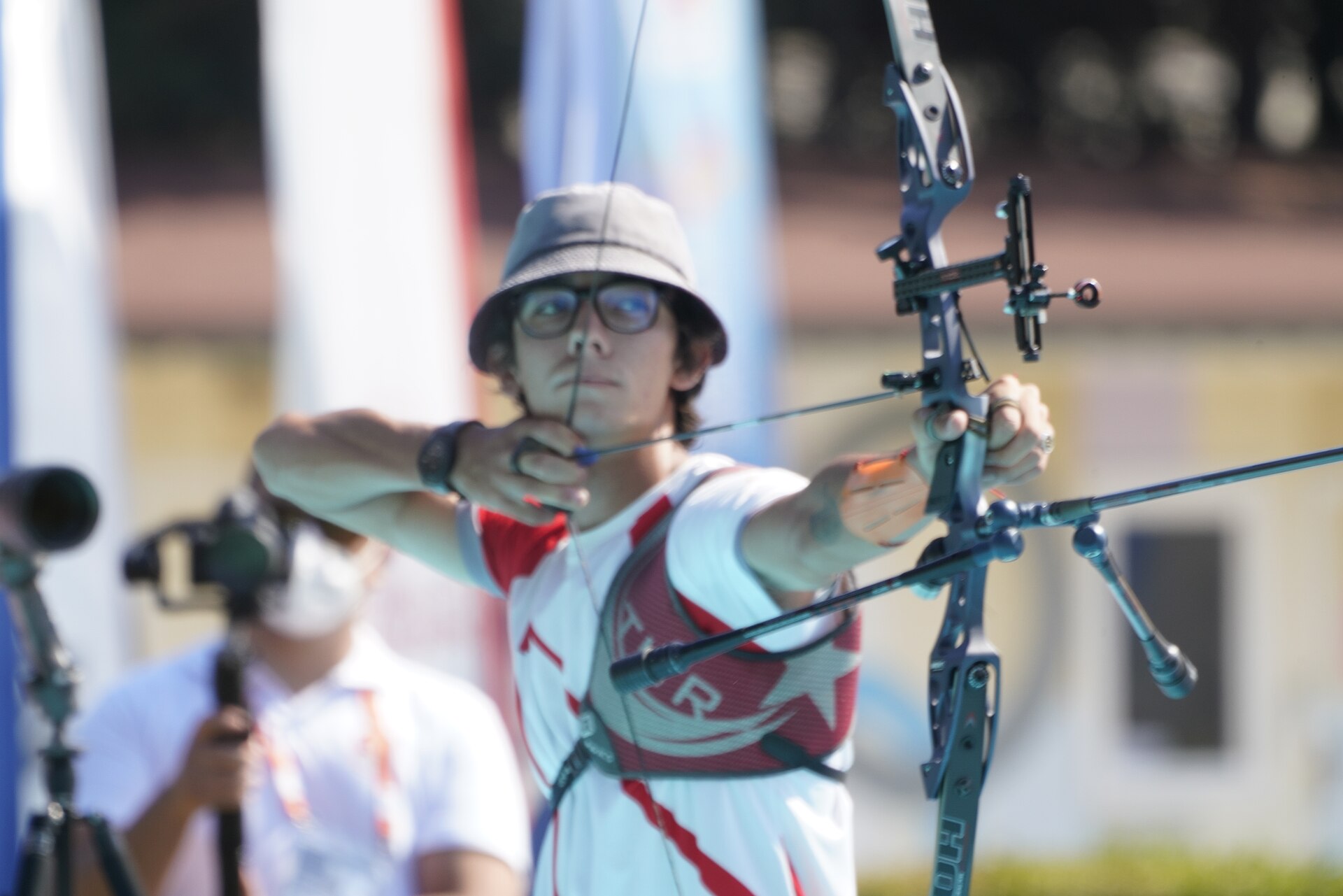
Paris 1924—Paris 2024
Olympics and individual sport
From wrestling’s first medals to modern champions in weightlifting, judo, taekwondo, boxing, archery, athletics and shooting.
Explore →
Career landmark · 1988
Naim Süleymanoğlu: Pocket Hercules across three Olympics
Naim Süleymanoğlu helped define world weightlifting with three consecutive Olympic titles.
Explore →Documents and sources4 sources
Official reference points used to verify the chronology and interpretive frame on this page.
- Naim Süleymanoğlu’s three Olympic titles ↗INTERNATIONAL WEIGHTLIFTING FEDERATION
Official history of the Seoul, Barcelona and Atlanta golds and world records.
- Halil Mutlu’s three Olympic titles ↗INTERNATIONAL WEIGHTLIFTING FEDERATION
Official record of consecutive gold medals in Atlanta, Sydney and Athens.
- The snatch and clean and jerk ↗IWF
Published by IWF: The snatch and clean and jerk. Supports the relevant results or rules context in this dossier.
- Weightlifting competition flow ↗IWF
Published by IWF: Weightlifting competition flow. Supports the relevant results or rules context in this dossier.