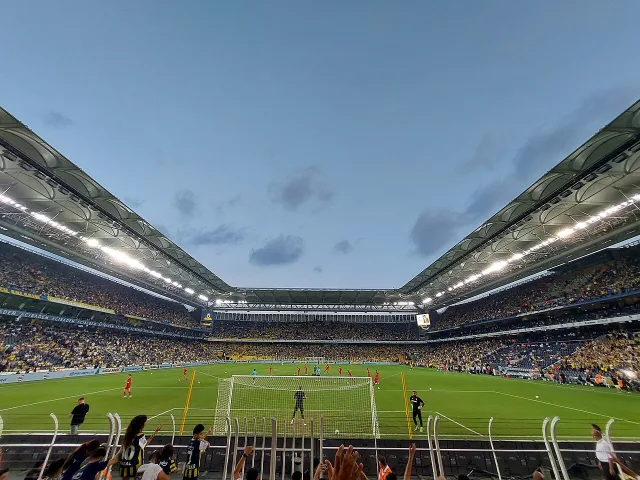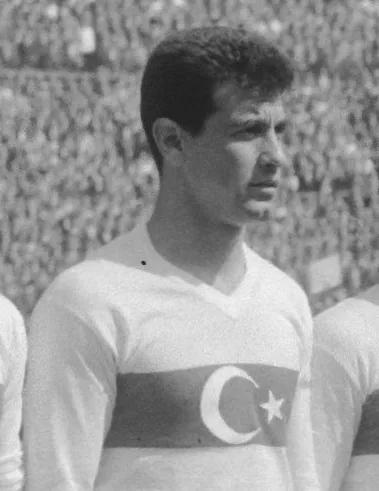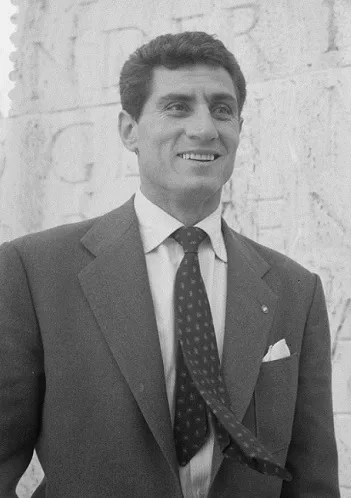
Fenerbahçe’s history traces the transformation of a local Kadıköy sporting initiative into a club followed across Türkiye. Its origins, yellow-and-navy identity and European nights belong to different layers of that transformation. This page concentrates on the football branch, without counting achievements in basketball or other sports as football trophies. Separate player biographies preserve the human lives within the institutional story.
- Founded
- 1907 · Kadıköy, Istanbul
- Colours
- Yellow and navy
- National league milestone
- 1959 · inaugural champion
Beginning in Kadıköy
The initiative took shape in Moda in spring 1907 around Ziya Songülen and his associates. TFF’s historical account shows that even finding players was difficult in the early years. The change from yellow-and-white to yellow-and-navy colours in 1909 reminds us that the present identity was not fully formed on the first day.
Kadıköy was more than an address. Local friendships, playing grounds and access to sport supported the club’s initial continuity. The much larger supporter community grew from this setting, but eventually included other cities and generations rather than remaining an unchanged neighbourhood circle.
Back to contents1959 and a different league structure
Fenerbahçe became the first champion of the national league that began in 1959. The nationwide professional competition established a different framework from the earlier sporting environments centred on Istanbul, Ankara and İzmir. City-league achievements and post-1959 results should therefore not be presented as successive seasons of one unchanged competition.
Competition names and periods matter when comparing historical trophies. Forgetting early achievements is misleading, but so is merging different tournaments into one current league total. An archive that explains structures provides more durable knowledge than a numerical argument stripped of its sporting context.
Back to contentsLefter, Can Bartu and a player tradition
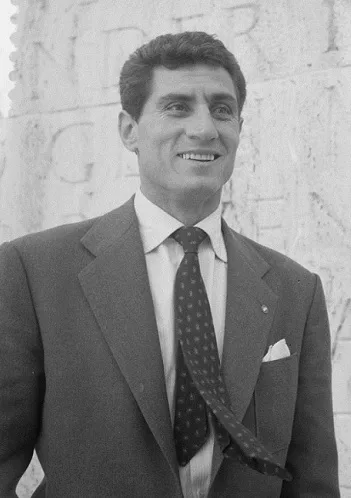
Lefter Küçükandonyadis represents a tradition in club memory extending beyond his goals. Can Bartu combined football and basketball within the same sporting career. Reading their biographies together demonstrates the multi-sport institution and the different forms of talent that could find a place within it.
Their European experiences also illuminate Turkish players’ journeys abroad. An overseas career involves more than a transfer fee: it means another playing rhythm, a different tactical language and a new working environment. A club history becomes richer when these departures and returns remain part of the story.
Back to contentsDifferent European milestones in 2008 and 2013
In the 2008 Champions League quarter-final against Chelsea, Fenerbahçe won the Istanbul first leg 2–1, but a 2–0 defeat in London ended the tie. In the 2012–13 Europa League it reached the semi-finals. These were significant advances in different competitions with different tournament structures.
Winning the first leg is not the same as winning a two-legged tie. Possession away from home, the aggregate score and the changing distribution of risk all shape a match’s meaning. Read the entire tie and tournament route alongside the excitement of one memorable evening.
Back to contentsSupporter memory and balanced reading
Club remembrance programmes reveal how players are retained in collective memory. The Can Bartu video serves as an entrance into that history rather than a trophy montage. Reading the club’s own account alongside official competition records leaves room for both emotion and evidence.
Instead of defining Fenerbahçe only against its rivals, consider Kadıköy, player development and its different European periods. The Galatasaray and Beşiktaş dossiers complete the shared football environment. Current squads, stadium sponsorship names and ticket conditions can change independently of this historical record.
Back to contentsA timeline of life, work and history
- 1907
Foundation in Kadıköy
The initiative around Moda established the club’s local beginnings.
- 1909
Yellow and navy
The colour change shows an identity still taking shape during the early years.
- 1959
First national league champion
Fenerbahçe won the inaugural edition of the new national professional league.
- 2008 / 2013
European quarter- and semi-finals
A Champions League quarter-final and Europa League semi-final marked separate competitive milestones.
Watch and listen: a visual reading path
Use this selection alongside the analysis above. Supported YouTube publications can be watched on this page after you choose to load their player. The publisher’s rights and availability conditions apply; the player does not load or start automatically. Official publication links remain available as an alternative.
Fenerbahçe TV
Remembering Can Bartu: a two-sport chapter of club history
The official remembrance programme connects the club’s football and basketball heritage through one player.
Choosing to load the player connects to YouTube and shares technical data such as your IP address with Google. Autoplay is off. This choice does not change your cookie preferences. The publisher may restrict regional access or embedding; the official link below provides an alternative.
Questions and explanations
Were the 2008 and 2013 runs in the same competition?
No. The 2008 result was a Champions League quarter-final and the 2013 result a Europa League semi-final. Each belongs under its own competition name.
Why include a Can Bartu video in a football dossier?
Bartu was a historic Fenerbahçe player in both football and basketball, illustrating the multi-sport institution. The video is not intended to represent the current football squad.
Were the Istanbul League and national league identical?
No. Their scope and organisation differed. Preserving early achievements does not require treating them as the same category as the league established in 1959.
Sources, image rights and research method
This is original explanatory and analytical writing informed by the sources below. AI assisted research and drafting. Awards for people, teams and institutions are distinguished; dated results are not current rankings. Media links do not claim a licence to republish a video here. Use the publisher’s correction process if a fact is wrong.
- TFF · Fenerbahçe origins, 2012 cup final book ↗ Source check: 2026-10-03
- TFF · Süper Lig history and the first champion ↗ Source check: 2026-10-03
- UEFA · Fenerbahçe’s European quarter-finals ↗ Source check: 2026-10-03
- UEFA · Europa League competition history ↗ Source check: 2026-10-03