
The Devrim car and the Midas Monument represent very different periods within one province. One introduces prototyping and industrial skill; the other creates sacred architecture on a rock face.
An AI-assisted synthesis of the sources below, with Atlas planning suggestions. This is not a first-hand visit report. Admission, transport and access conditions must be checked with operators before travel.
In this guide
Read Devrim as a project
Developed in a short period in 1961, the car is best understood through its engineering teams and production resources. A prototype and a mass-production programme are different achievements. Look beyond the symbolic vehicle to the technical knowledge associated with railway industry.
Which Yazılıkaya?
The Midas Monument in Han district is a Phrygian rock façade, not the Hittite sanctuary of the same name in Çorum. Its geometric decoration and central niche help explain its sacred character. The name does not establish that it is a king’s tomb.
Separate city and countryside
Plan the museum and the journey towards Han independently. Confirm exhibition access and rural road conditions. At the monument, observe without climbing the rock or touching inscriptions. Comparing the making of a vehicle with the carving of a façade raises useful questions about materials, skill and the purposes of technology.
Porsuk and Odunpazarı offer different ground conditions
Do not imagine central Eskişehir as one uniformly level walking area. The waterside experience around the Porsuk and Odunpazarı’s hillside historical streets involve different surfaces and rhythms. A riverside hotel does not make every cultural stop equally accessible on flat ground. Give the two areas separate starting and finishing points so that your group’s mobility needs influence the actual route.
By the river, follow the relationship between bridges and public space; in the neighbourhood, examine how streets connect with houses. Modern urban arrangements and older residential façades represent different uses of space. Plan a rest interval between these settings and check transport from your actual departure point. Map proximity does not establish identical ease throughout a transfer.
Read Odunpazarı as a living neighbourhood
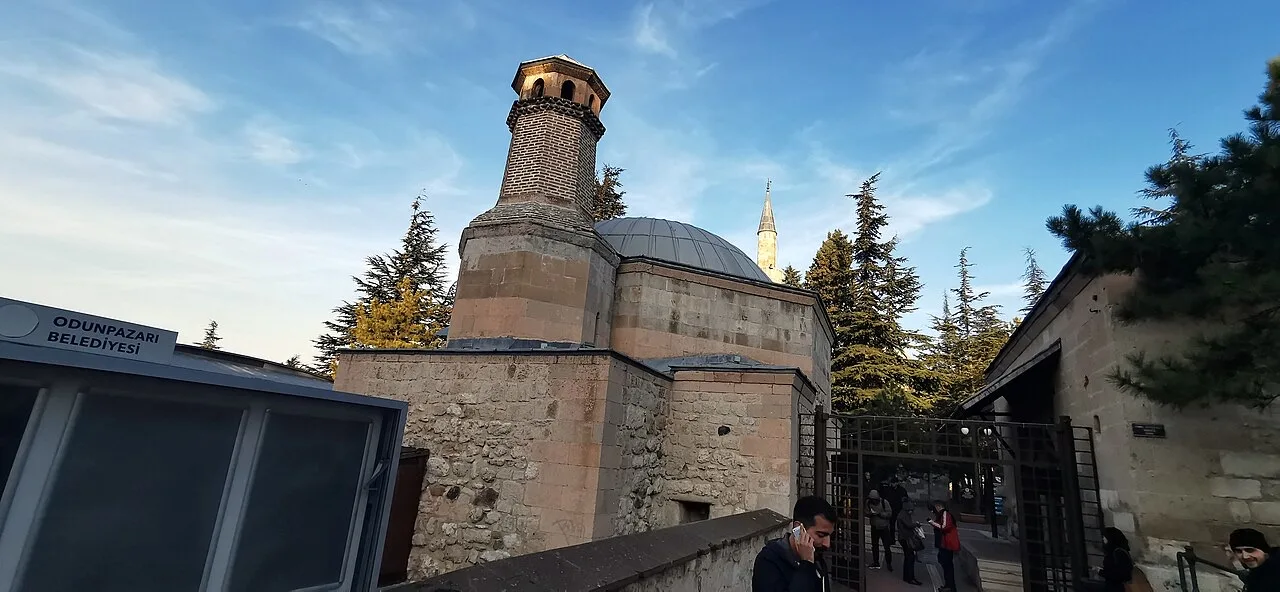
UNESCO’s Odunpazarı entry is a Tentative List submission, not an inscribed World Heritage property. The district includes Seljuk, Ottoman and Republican layers. Look beyond colourful backgrounds to street widths, projecting upper floors and courtyard relationships. Different periods of use are not a perfectly preserved photograph of one historical moment when everything visible was contemporary.
Doors, windows and courtyards can remain parts of private homes in a living neighbourhood. Photography does not automatically confer permission to enter or record residents. Choose an open cultural building and connect it with the surrounding streets. Restored fabric is not necessarily all original; where interpretation explains the scope of repair, include that information in your reading of the house.
Meerschaum: looking beyond the shop window
Eskişehir’s meerschaum tradition explains local material transformed into objects through craft. Examine carved details, surfaces and function alongside shape. A museum example and a newly purchased product belong to different settings. A traditional technique does not establish that every object for sale has the same age, material or relationship with the examples displayed in a collection.
Before buying, ask clearly about material, maker and care. Talking with a seller who explains provenance is more useful than choosing only the most elaborate window. Workshops require permission and current working arrangements: an open shop does not guarantee access to every production stage. Respect the maker’s work area rather than treating it as scenery for visitors.
Sivrihisar deserves a separate architectural outing
Sivrihisar’s Great Mosque is one of five wooden-column mosque components inscribed in 2023. Do not confuse that designation with Odunpazarı’s Tentative List submission. Inside, consider how timber columns divide space and support the roof. Its district location requires a separate transport plan from a central riverside walk rather than simply another stop around the next corner.
The original Phrygian and engineering guide need not be compressed into the same day as this urban and wooden-architecture addition. An urban day plus a district or countryside day provides a clearer framework. The rock monument near Han and Sivrihisar belong to one province but are not the same visit. Your main question should shape travel and accommodation choices.
Choose the visit that fits your question
Industrial history
Discuss prototypes versus serial production.
Phrygian art
Connect façade, niche and inscription.
Correct location
Use Han and Eskişehir together in map searches.
Visual exploration before you travel
Eskişehir: Go&Visit
Observe contrasts between the urban landscape and historical neighbourhoods; locations in the montage do not form one continuous walking route.
Practical questions before your visit
Is Odunpazarı inscribed on the World Heritage List?
The source used here is a Tentative List submission. Sivrihisar’s wooden-mosque serial designation is on the World Heritage List. Preserve the distinction rather than treating the two statuses as identical.
Does an easy riverside walk describe the whole city?
No. Odunpazarı’s slopes, street surfaces and individual entrances present different conditions. Visitors using mobility aids need route-specific information, not only a broad description of a pleasant city.
What should I ask when buying meerschaum?
Ask about material, maker, craftsmanship and care. The name of a historical tradition does not guarantee every modern object’s provenance or age; clarify uncertainty before purchasing.
Sources and scope of this guide
These primary sources support the historical and heritage background. Comparisons and suggested ways to organise a visit are Atlas editorial analysis, not instructions from the source institutions.