
Dupnisa and the Sokullu Mehmet Paşa complex in Lüleburgaz describe different connections: water moving underground and people travelling along historic routes. They are not in the same centre.
An AI-assisted synthesis of the sources below, with Atlas planning suggestions. This is not a first-hand visit report. Admission, transport and access conditions must be checked with operators before travel.
In this guide
Dupnisa is more than one chamber
Linked dry and water-bearing caves form a larger system than the route open to visitors. Check seasonal and ecological closures before travelling. Do not enter streams or closed passages, and avoid touching formations.
Understand the stopping-place at Lüleburgaz
The sixteenth-century complex combined worship, education, trade and accommodation. Read structures that now appear separate as parts of a service point on the Istanbul–Edirne route. This restores the mosque’s connection to the practical needs around it.
Prepare separately for forest and town
Plan rural cave access independently from the urban walk. Ask about steps and slippery surfaces. At the complex, respect the daily use of religious and commercial spaces. Understanding how the parts once worked together matters more than simply recording each surviving façade.
Different rhythms of plain, forest and coast
Reducing Kırklareli to a cave trip or a seaside escape hides the province's internal variety. The urban and road networks towards Lüleburgaz and Babaeski, the Istranca forests and the Black Sea coast require different visiting rhythms. Moving from town to forest is not simply changing a view: it changes terrain, weather exposure and transport preparation. The provincial name does not promise one uniform experience.
Make the first decision through the focus of your day rather than the number of places you can name. Set aside one block for urban architecture and another for nature around Demirköy–İğneada. Kıyıköy belongs to a different coastal branch in the Vize direction; it is not another name for İğneada. Recognising those distinctions prevents nearby names on a map from turning into an itinerary dominated by transfers. A route which leaves time to observe one environment often explains the province better than a fast passage through several.
Floodplain forest as a water system
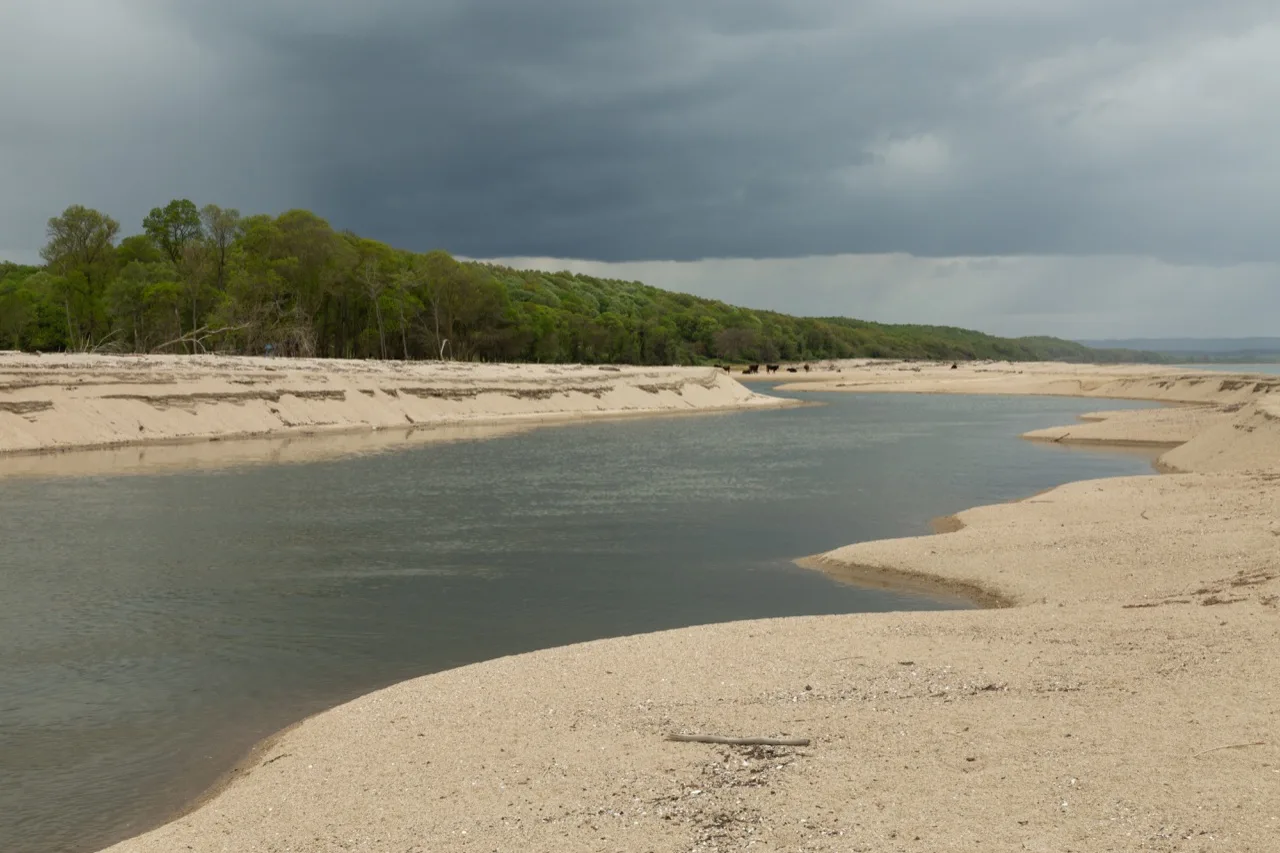
İğneada's longoz, or floodplain forest, is an ecosystem shaped by water. Lakes, forest, coast and seasonal water conditions should be considered together; identical surfaces or views cannot be promised in every season. The value of a visit is not limited to a photograph of trees standing in water. It includes recognising the fragile relationships which allow the system to function. Current park guidance determines appropriate visiting areas and permissions.
A designated visitor section does not imply unrestricted entry to the entire surrounding forest. Canoeing or other activities require suitable conditions, qualified services and a safety assessment; promotional images do not provide those. Quiet observation, taking litter away and avoiding damage to shoreline vegetation are small but meaningful practices. After rain, ground and water conditions may alter, reminding visitors that a previous experience cannot automatically be applied to the same route on another day. The most responsible itinerary leaves room to change plans rather than treating a particular photograph as an essential objective.
Vize and Demirköy ask different historical questions
Vize's ancient theatre, castle and Gazi Süleyman Paşa Mosque, also known through the Küçük Ayasofya name, introduce layers of different periods within a town. A changed name or use does not erase all earlier history. While observing architecture, respect the present operation of a place of worship. Aya Nikola Monastery at Kıyıköy occupies another settlement context and should not be treated as part of a short walk around central Vize.
The historic iron foundry at Demirköy opens a different interest in production. It can be considered alongside a forest trip, though archaeological remains and natural surroundings have different conservation needs. Before describing masonry simply as an “old factory”, ask about the roles of water, fuel, labour and transport in manufacture. The visible remains may not represent the full operating process. This approach makes a modest surviving fragment informative without inventing what is no longer visible.
Food and art offer another way to read the province
Tasting products such as hardaliye or cheese can become an opportunity to learn about ingredients and production. Ask about composition, storage and use; being regional does not automatically establish a health benefit. Understanding whether the place of sale and place of manufacture are the same is also part of informed shopping. Avoid presenting food culture as a single permanent habit shared identically by everyone in the province.
TRT's programme following Saip Tuna's 1943 Homeland Journeys offers another perspective: what did an artist choose to depict, and what does a visitor notice today? That question gives everyday streets and human relationships a place beside tourism symbols. With enough time, a central day, a district-history day and a nature focus provide different readings. With less time, choose one in detail rather than three superficially, preserving transport and rest allowances from the beginning. A meaningful comparison between environments does not require seeing every advertised place.
Choose the visit that fits your question
Underground focus
Distinguish the visitor section from the whole system.
Transport history
Read the complex as a service point on a route.
Planning
Allow time for two different environments.
Visual exploration before you travel
Kırklareli in the footsteps of Saip Tuna
An artistic reading through the 1943 Homeland Journeys context; not a general route or facility guide.
Practical questions before your visit
Are İğneada and Kıyıköy the same place?
No. İğneada lies in the Demirköy district direction, while Kıyıköy is in Vize district. Treat them as separate road and visiting focuses in a coastal programme.
Can I walk or canoe anywhere in the floodplain forest?
No. Ecological conditions, safety and current permission arrangements determine access. Use designated visitor areas and obtain current activity information from responsible institutions or qualified operators.
Which district should a history-focused visitor choose?
Vize's buildings from different periods and Demirköy's production heritage pose different questions. Choose according to whether architectural layers or industrial history interest you more.
Sources and scope of this guide
These primary sources support the historical and heritage background. Comparisons and suggested ways to organise a visit are Atlas editorial analysis, not instructions from the source institutions.