

← Back to History of the Republic
Gaël Marziou / Wikimedia Commons · CC BY 2.0 ↗ Paralympic sport · explainer
How does Paralympic classification work?
Classification is neither a list of diagnoses nor a universal ranking of disability. It minimises the effect of impairment on the fundamental actions of a sport so that skill, fitness, tactics and preparation determine the result.
Current framework · 2025 IPC CodeAcross Paralympic sports
Abdullah Öztürk at the Rio 2016 Paralympic Games.
At a glance
- Core principle
- Sport-specific
- First threshold
- Eligible impairment
- Second threshold
- Minimum criteria
- Outcome
- Class + status
From eligibility to a sport class
Para sport classification is not a ranking of how good an athlete is. The process first considers whether an impairment is eligible for the sport and meets its minimum criteria, before allocating a sport-specific class and status. Diagnostic information is only part of the process because the same condition may affect different movement tasks differently. Someone may qualify for one sport but not another. A sport class and a world ranking must therefore remain separate: the class identifies the competitive grouping, while the ranking reflects sporting results. This guide is for spectators, not an individual classification assessment or a substitute for professional medical advice.
↑ Back to dossier contentsWhy older sources list ten groups and newer ones seven
The IPC's current general classification page describes seven eligible impairment groups: muscle power, passive range of movement, limb deficiency or length difference, short stature, coordination, vision and intellectual impairment. Some categories from the older ten-part description have been grouped together. Meanwhile, public explanations for particular sports may still use the earlier terminology. This does not mean every sport changed all of its competition classes on the same date. The applicable federation's sport-specific rules remain decisive. Readers should also distinguish the number of impairment groups from the number of events or sport classes visible at a pool or track. These describe different levels of the system.
↑ Back to dossier contentsSwimming's S, SB and SM codes
Swimming uses S for freestyle, backstroke and butterfly events, and SB for breaststroke. SM is the individual-medley entry index derived from the S and SB assessments. Physical-impairment classes include S1–S10 and SB1–SB9; vision-impairment classes use 11–13, and intellectual impairment uses 14. Different S and SB numbers for one athlete are not a contradiction because breaststroke has different movement demands. Within a class family, the number provides context about functional impact, but directly comparing an S5 swimmer's time with an S10 result does not establish sporting superiority. Event interpretation requires keeping the stroke, distance and complete class code together rather than selecting only the finishing time.
↑ Back to dossier contentsAthletics codes and team composition
In Para athletics, T relates to track and jumping events and F to throwing events, with numbers interpreted within their own class families. Wheelchair basketball also uses individual class points to structure team selection: the principal international framework assigns players from 1.0 to 4.5 points and limits the five players on court to a combined 14. Domestic competitions can use additional provisions, so that description should not be imposed automatically on every league. Goalball brings eligible vision classes into a common competition and uses eyeshades to help standardise conditions. These examples show that classification can organise individual races or affect the composition of a team.
↑ Back to dossier contentsStatus, reassessment and the spectator's limits
Sport class status indicates whether or when an athlete may require further evaluation. It is not a medal placing or a disciplinary punishment. Protest and assessment processes operate through the relevant federation's rules; a photograph, walking pattern or social-media claim cannot establish that someone is ineligible. A useful spectator approach is to identify the official class and then focus on sporting technique. Athletes within a class may use visibly different movement patterns without that alone demonstrating unfairness. Classification is the technical framework making meaningful competition possible. It is not a summary of a person's identity, worth or entire everyday life, and should never be used as though it were.
↑ Back to dossier contentsArchive note
Archive images for wider context
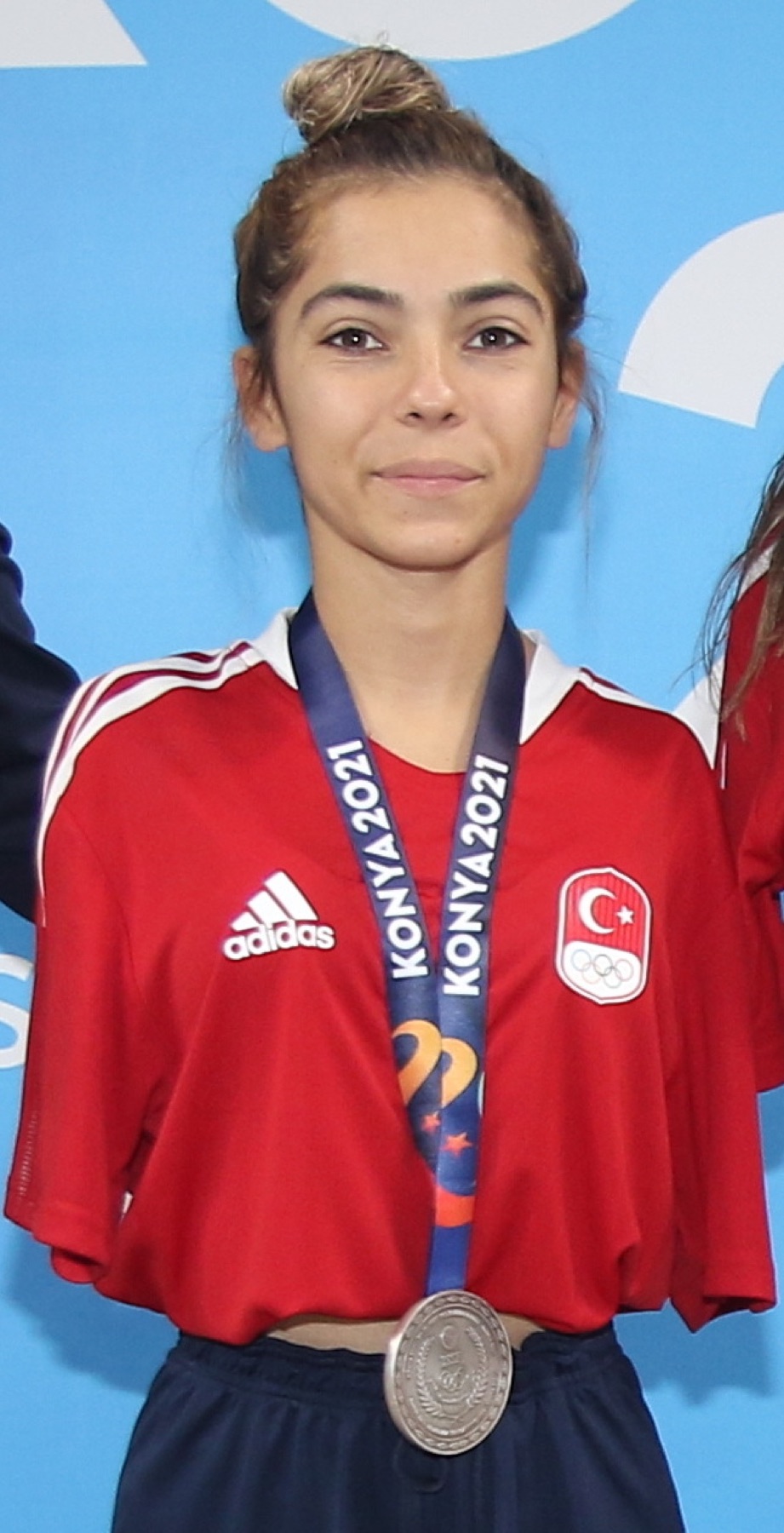
Cumhuriyet Atlas
Continue the story here
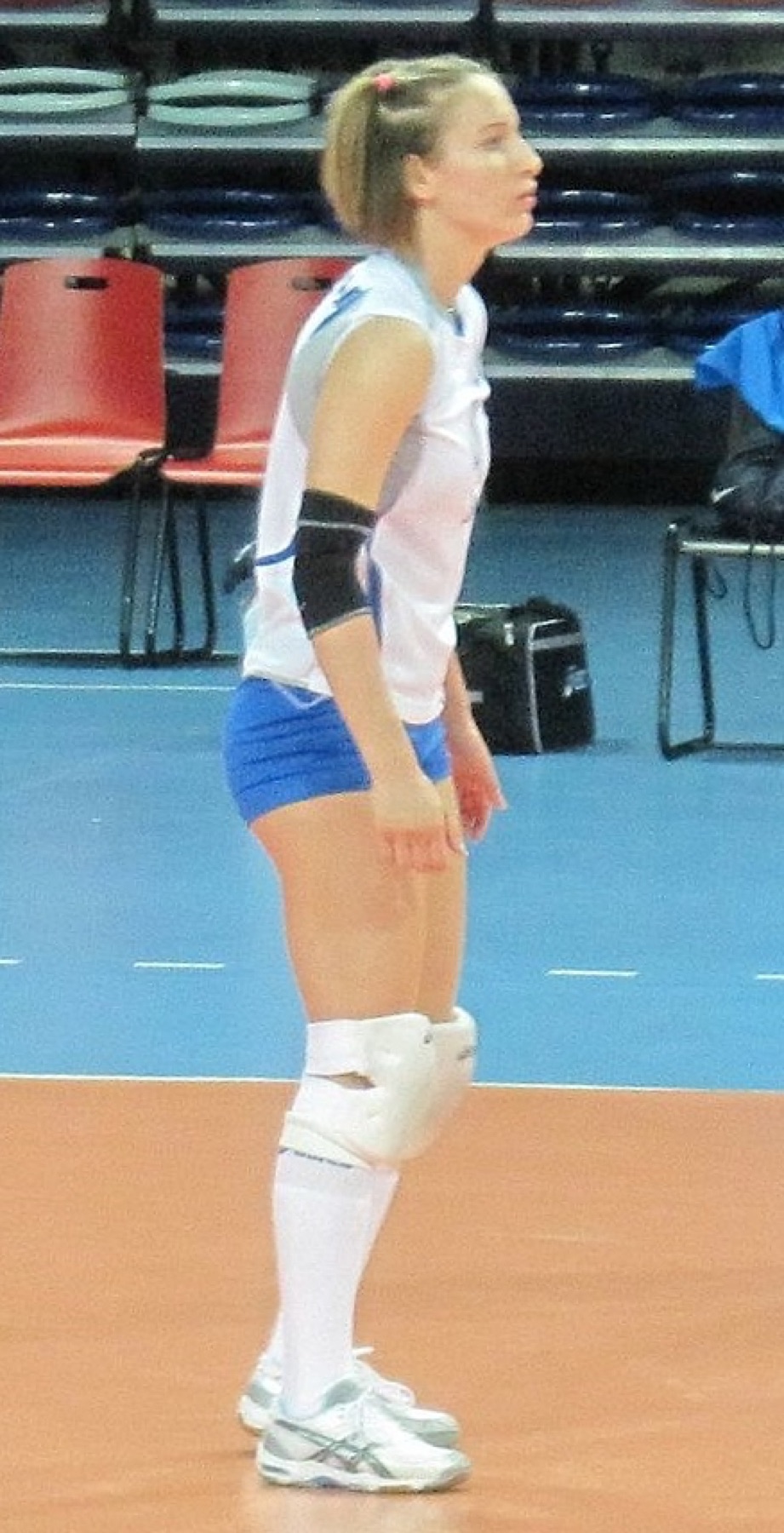
Club and national team
Gizem Örge: the hidden geometry of libero defence
A libero who builds the attack’s first pass through serve reception, back-court positioning and second-ball security.
Explore → Final record · 12 September 2026, 20:06
Kocaeli 2026: Türkiye’s historic week as host
Türkiye finished Kocaeli 2026 with nine golds and seven silvers: five athletes, 16 medals, class codes and final results.
Explore → 2016—today
Sevilay Öztürk: a decade on the S5 world stage
A Paralympic journey beginning at age 12 in Rio and continuing through Tokyo and Paris medals to two European titles at Kocaeli 2026.
Explore →Documents and sources6 sources
Official reference points used to verify the chronology and interpretive frame on this page.
- Paralympic classification ↗IPC
Purpose, eligible impairments, minimum criteria and sport specificity.
- Classification Code and implementation framework ↗IPC
Published by IPC: Classification Code and implementation framework. Supports the relevant results or rules context in this dossier.
- Para swimming classification ↗WORLD PARA SWIMMING
S, SB and SM codes across physical, vision and intellectual impairment classes.
- Para athletics classification ↗WORLD PARA ATHLETICS
Official explanation of T track and F field codes and sport classes.
- Points in wheelchair basketball ↗IPC
Functional points from 1.0 to 4.5 and the 14-point cap for five players on court.
- Introduction to goalball ↗IBSA
Published by IBSA: Introduction to goalball. Supports the relevant results or rules context in this dossier.