
← Back to History of the Republic
Frank-Henri Jullien / Wikimedia Commons · Public domain ↗ Diplomacy · peace
The Treaty of Lausanne
Lausanne was not an automatic consequence of military victory. Borders, capitulations, debt, the Straits and population questions required a difficult two-stage diplomatic process.
24 July 1923Lausanne · Switzerland
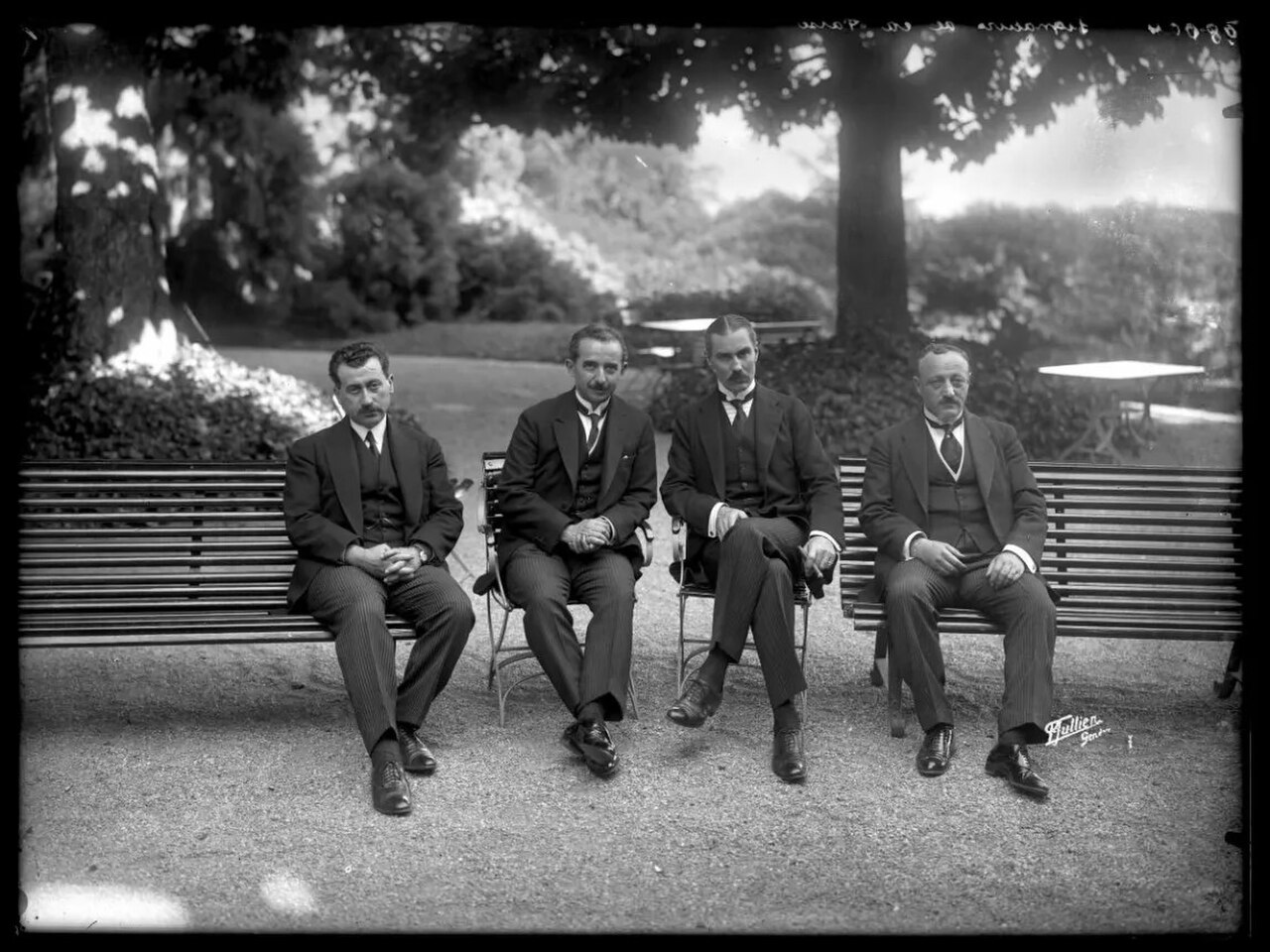
The Turkish delegation at the Lausanne Conference, 1923. Photograph: Frank-Henri Jullien.
At a glance
- Conference opened
- 20 November 1922
- Second phase
- 23 April 1923
- Signed
- 24 July 1923
- Assembly ratification
- 23 August 1923
A peace negotiation lasting months
The Lausanne Conference opened on 20 November 1922. Talks broke down in February 1923, resumed on 23 April and produced the peace treaty signed on 24 July. This sequence demonstrates that military victory did not automatically become a completed legal settlement. Chief delegate İsmet Pasha maintained communication with the government and Assembly in Ankara while addressing very different subjects together. Agreement on a border question did not by itself settle disputes about debt or commerce. Across the conference's two phases, the parties tested demands and negotiating leverage. Lausanne is therefore best understood beyond the final signing day: it was a process that divided the problems left by war into matters requiring specific legal arrangements.
↑ Back to dossier contentsThe legal and economic dimensions of sovereignty
Independence at Lausanne concerned more than drawing a border. Abolishing capitulations, defining the position of foreigners, apportioning Ottoman debts and regulating economic relationships affected the state's capacity to implement its decisions. Political and economic issues consequently met within the same conference. Exercising authority over territory was connected to changing inherited systems of privileges and obligations. The treaty and related instruments dealt with these different fields; no single article instantly ended every economic problem. Early republican work on banks, railways and industry remained a further task of institution-building and production within the legal setting established by peace. Distinguishing the settlement from the policies pursued afterwards clarifies both the treaty's importance and the work still required.
↑ Back to dossier contentsBorders and arrangements revised later
Lausanne established an international framework for the new state without resolving every question in its final form. Mosul remained for later settlement, while the Straits arrangements adopted in 1923 were changed by the Montreux Convention in 1936. These distinctions prevent later diplomatic outcomes from being projected backwards into the Lausanne text. Hatay's incorporation into Türkiye in 1939 likewise developed under different historical circumstances. The treaty's significance does not require treating it as if it already contained every later decision about borders and security. It supplied a fundamental post-war framework. Subsequent negotiations show that international relations were not frozen by one signature and that agreements and diplomatic requirements could develop over time.
↑ Back to dossier contentsThe human meaning of population exchange
The convention on the exchange of Greek and Turkish populations was signed on 30 January 1923, before the main peace treaty. It regulated compulsory exchange using religious affiliation and specified exceptions. These included the established Greek population of Istanbul as defined by the convention and the Muslim population of Western Thrace; the detailed provisions must be read across the relevant instruments. Describing exchange only as a diplomatic solution leaves its human experience incomplete. Families moving across the sea had to reconstruct homes, livelihoods, property relationships, neighbourhoods and a sense of belonging. The arrangement's function between states can be explained alongside the losses borne by individuals. Historical explanation should not make the lived weight of compulsory migration invisible.
↑ Back to dossier contentsRatification, the Republic and reading the instruments
Assembly ratification on 23 August 1923 shows that the signed settlement also required a domestic representative decision. Ankara's designation as capital and the proclamation of the Republic followed, but these were separate Assembly decisions, not clauses of Lausanne. Reading the settlement requires distinguishing the principal treaty, related conventions and later changes. Claims that it automatically expired after a century are not supported by a provision in the text: a signature in 1923 did not create an expiry date. A more useful question asks which particular article or instrument addresses which concrete issue. That approach moves beyond slogans to show how sovereignty, economic independence, minority safeguards and the post-war order were actually negotiated.
↑ Back to dossier contentsArchive note
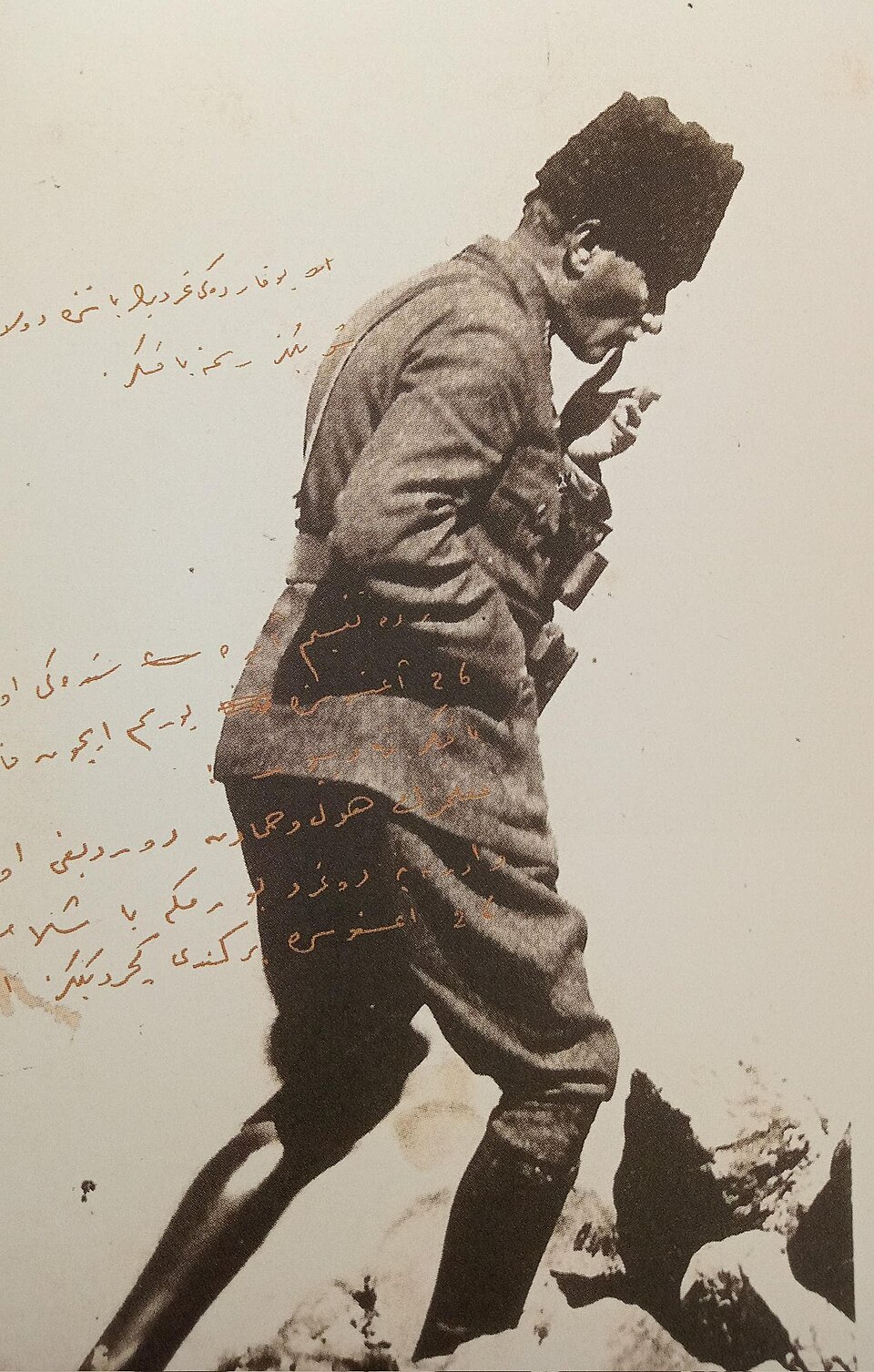
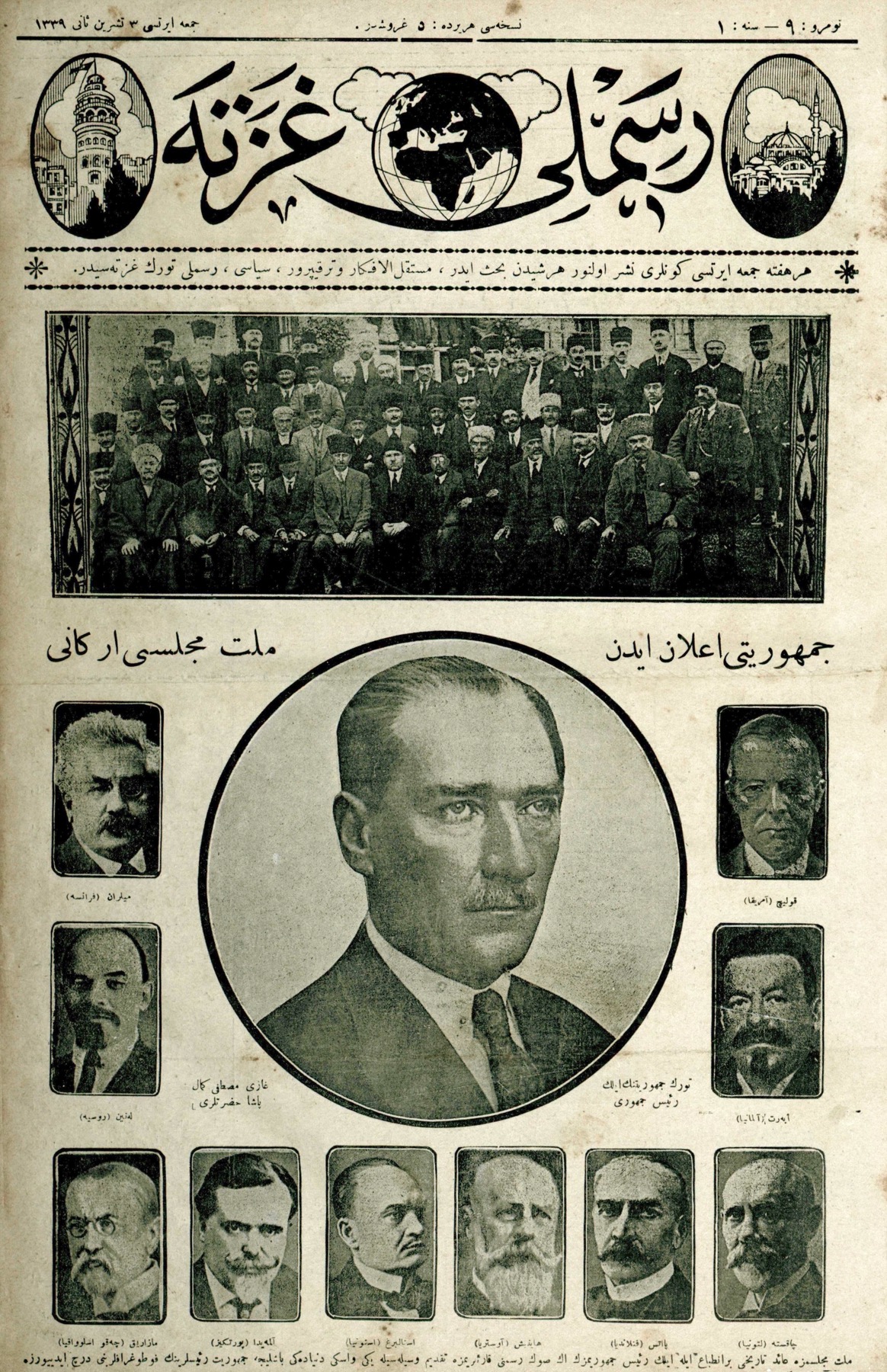
Archive images for wider context

Cumhuriyet Atlas
Continue the story here
3—11 October 1922
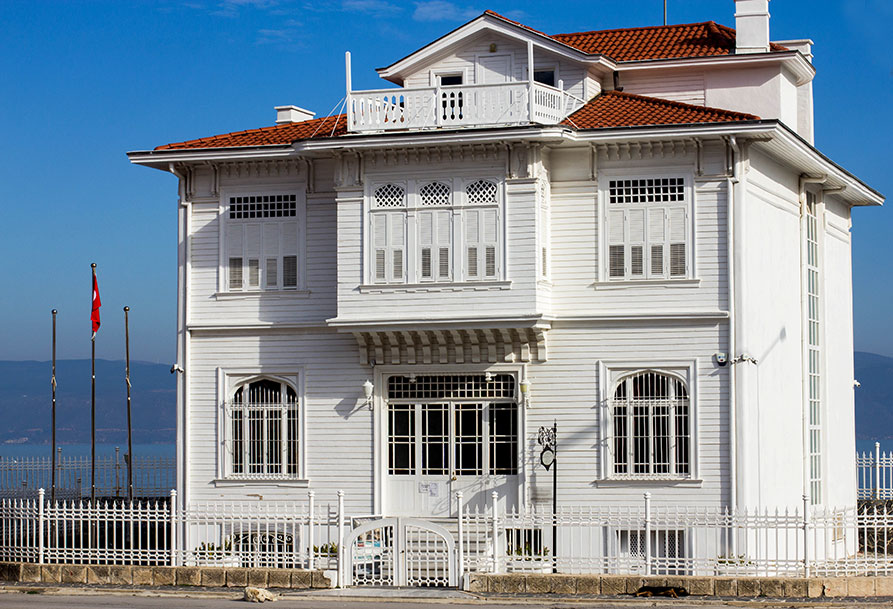
The Armistice of Mudanya
The battlefield result became an agreement ending hostilities and arranging the transfer of Eastern Thrace.
Explore →
1936—23 July 1939
Hatay joins Türkiye
A diplomatic process closely followed by Atatürk culminated in a Hatay Assembly vote and the 1939 Turkish–French agreement.
Explore → 13 October 1923
Ankara becomes the capital
The operational centre of the National Struggle became the constitutional capital of the new state.
Explore →Documents and sources5 sources
Official reference points used to verify the chronology and interpretive frame on this page.
- Treaty and other instruments signed at Lausanne ↗Dışişleri Bakanlığı
Original list of the principal treaty and associated instruments signed on different dates.
- Lausanne Peace Treaty texts ↗DIŞİŞLERİ BAKANLIĞI
The treaty and connected instruments dated 24 July 1923.
- Population Exchange Convention of 30 January 1923 ↗Dışişleri Bakanlığı
Treaty text defining compulsory exchange, scope and exceptions.
- Lausanne Peace Treaty document index ↗Dışişleri Bakanlığı
Access to treaty parts and associated conventions.
- War of Independence Museum ↗TBMM
The Assembly’s opening, constitutional steps and the 1919–1923 chronology.