

← Back to History of the Republic
Türkiye Millî Olimpiyat Komitesi / Wikimedia Commons · CC BY-SA 2.0 ↗ Sport history · wrestling
Wrestling: a Republic century on the mat
Oil and karakucak traditions met modern freestyle and Greco-Roman systems. Wrestling became one of Türkiye’s deepest and most durable sources of Olympic medals.
9 August 1936—todayBerlin to Paris
Olympic, world and European champion Taha Akgül, 2019.
At a glance
- First Olympic gold
- Yaşar Erkan · 1936
- Styles
- Freestyle + Greco-Roman
- Taha Akgül
- Olympic champion
- Women’s wrestling
- World + Olympic
From local tradition to the international mat
Wrestling lives both in Türkiye's cultural festivals and in international championship records. Oil wrestling, karakucak and mat wrestling share a wider heritage but do not use identical rules. The leather kispet, oil, outdoor setting and ceremonies create a distinctive world around oil wrestling; Olympic wrestling is organised through weight categories, styles and tournament brackets. Keeping that distinction allows a chief wrestler's title and a world championship to be valued without confusing them. Their common competitive core involves disturbing an opponent's balance, protecting one's own centre and converting pressure into an effective action. Wrestling therefore cannot be explained simply by identifying the stronger-looking athlete.
↑ Back to dossier contentsBerlin 1936 contains two separate firsts
Türkiye's Olympic history began collecting medals at Berlin 1936 through two distinct achievements. Ahmet Kireççi won its first medal, a bronze, while Yaşar Erkan's Greco-Roman victory supplied its first gold. Combining them under a single vague 'first' obscures one athlete's contribution. International representation during the early Republic also involved travel, preparation and opportunities to meet foreign opponents that differed greatly from today's competition circuit. Familiarity with international officiating belonged to that experience. Subsequent wrestling generations expanded the memory established by these results. Reading the period properly means considering its tournament format rather than assuming every historical champion advanced through the same elimination system seen today.
↑ Back to dossier contentsFreestyle and Greco-Roman pose different problems
Freestyle allows attacks involving the legs, widening the range of offensive possibilities. Greco-Roman concentrates the contest around upper-body holds and control. In both styles, hand fighting, head and shoulder position, proximity to the edge and shifts in the opponent's weight prepare what follows. A powerful attack launched without preparation can leave an opening; a small change of direction can make a larger technique possible. The revealing question is not simply who moves more, but who makes the opponent respond to their plan. Looking at control on the ground alongside pressure in standing positions helps explain where the points, and the momentum behind them, actually come from.
↑ Back to dossier contentsTaha Akgül and Yasemin Adar widen the story
Taha Akgül's Rio 2016 gold represents the continuing strength of Turkish heavyweight freestyle wrestling. Recent history cannot, however, be written solely through men. Yasemin Adar opened new territory for Turkish women's wrestling through her 2017 world title and Tokyo Olympic bronze before ending her international career in 2025. These careers show different pathways within the same broad sport. Managing heavyweight mass does not eliminate the need for agility, and women's technical development is not an appendix to men's competition. Presenting each athlete alongside their own category, opponents and championship sequence recognises sporting performance as well as the wider significance of representation.
↑ Back to dossier contentsFollowing a bout rather than only its final score
An informative wrestling replay begins with the initial grips, continues through attacking preparation and follows the defensive escape. A trailing athlete's need to take risks and a leading wrestler's attempt to remain active without losing control alter the rhythm. As time runs down, every attack becomes more consequential, but a hurried attempt may provide an opening for a counter. Repechage and bronze-medal routes also matter: losing the path to gold does not necessarily end the chance of a podium. Türkiye's wrestling memory grows richer when its champions appear beside changing techniques, the rise of women and the continuing relationship between local tradition and the international mat.
↑ Back to dossier contentsArchive note
Archive images for wider context
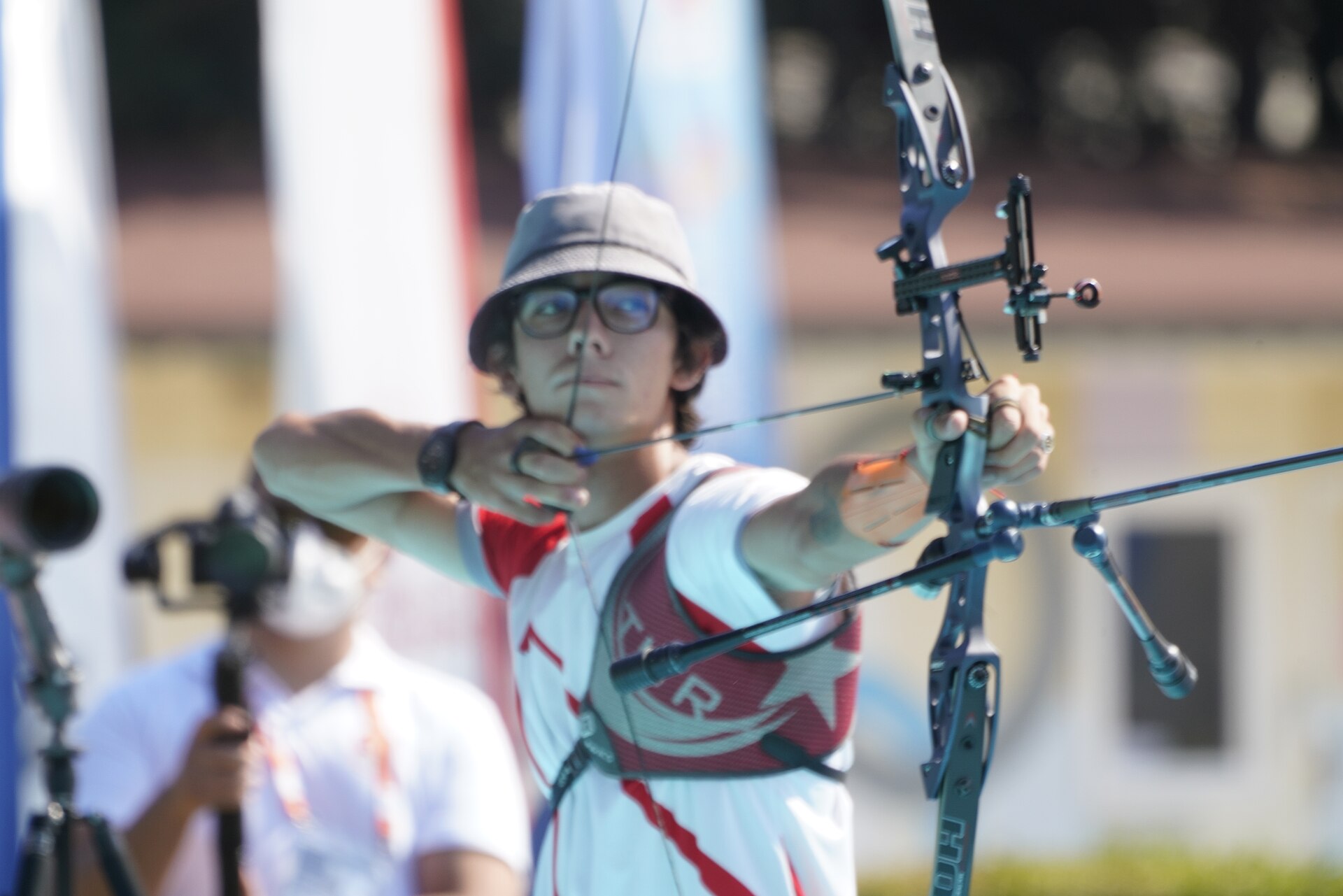
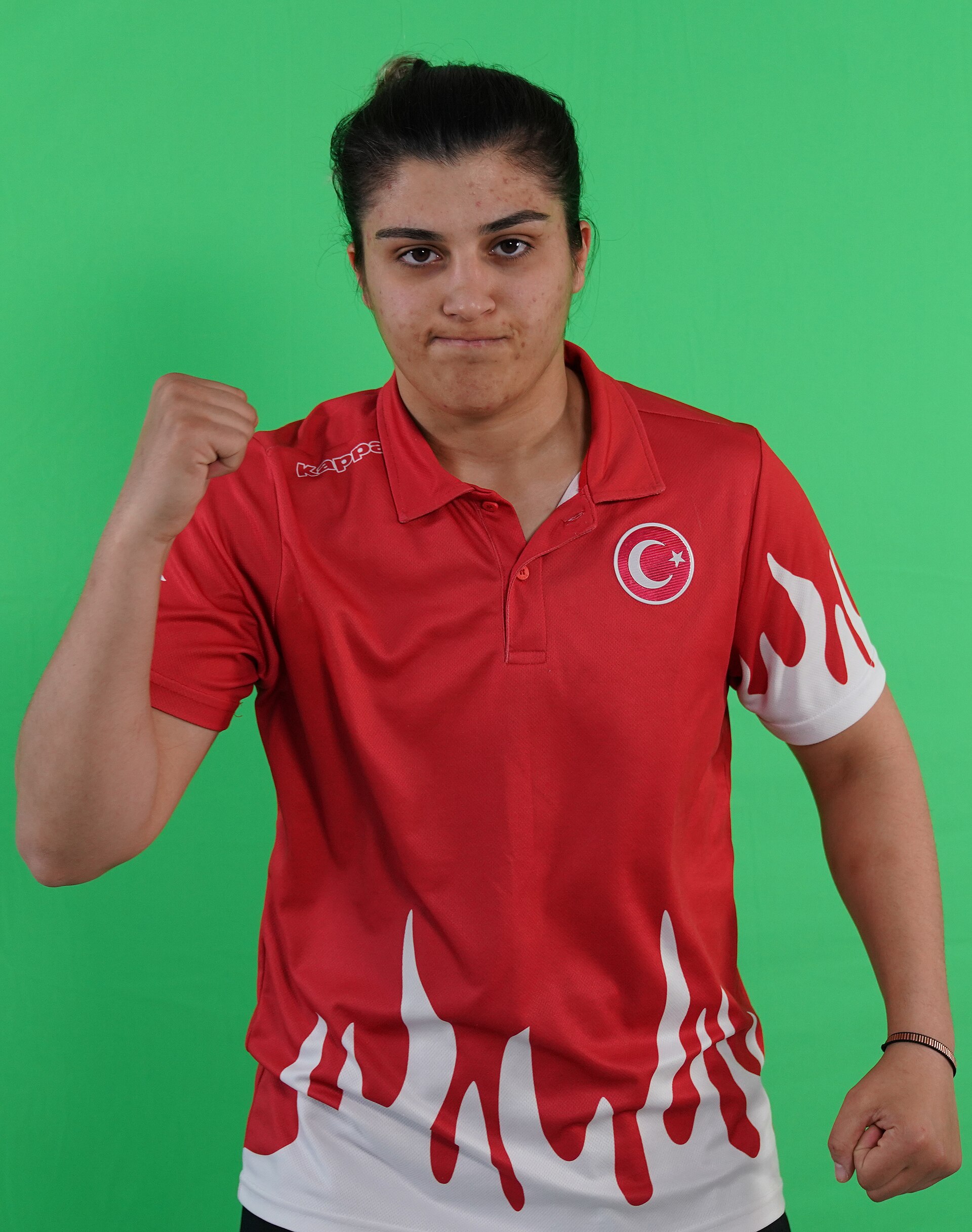
Cumhuriyet Atlas
Continue the story here
1992—today
Boxing, karate, taekwondo and judo
Four distinct disciplines and their expanding international record across women’s and men’s competition.
Explore → Paris 1924—Paris 2024
Olympics and individual sport
From wrestling’s first medals to modern champions in weightlifting, judo, taekwondo, boxing, archery, athletics and shooting.
Explore →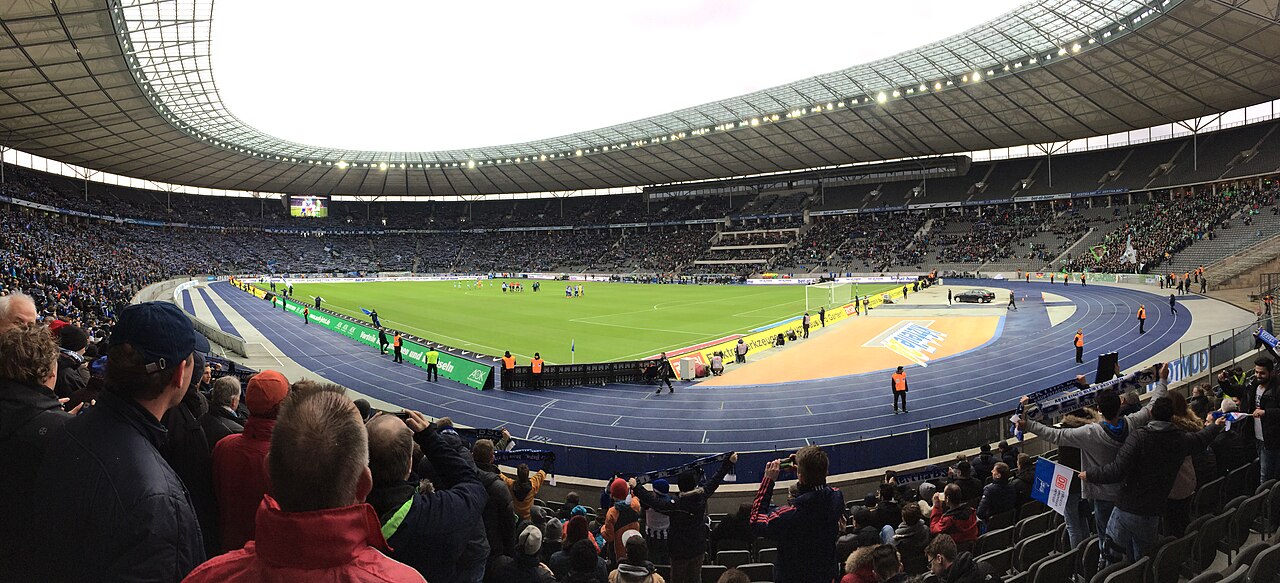
Berlin 1936
Yaşar Erkan: the wrestler behind Türkiye’s first Olympic gold
He won the 61kg Greco-Roman title at Berlin 1936 for the first Olympic gold in the Republic’s sporting history.
Explore →Documents and sources5 sources
Official reference points used to verify the chronology and interpretive frame on this page.
- First medal and first gold in 1936 ↗TMOK · OLİMPİYAT DÜNYASI
Official history of Ahmet Kireççi and Yaşar Erkan at Berlin 1936.
- Taha Akgül career record ↗UNITED WORLD WRESTLING
Results across Olympic, world and European championships.
- Yasemin Adar's wrestling career ↗UWW
Published by UWW: Yasemin Adar's wrestling career. Supports the relevant results or rules context in this dossier.
- International wrestling rules, January 2026 ↗UWW
Published by UWW: International wrestling rules, January 2026. Supports the relevant results or rules context in this dossier.
- Olympic gold-medal table, 1936–2012 ↗GSB
Published by GSB: Olympic gold-medal table, 1936–2012. Supports the relevant results or rules context in this dossier.