
← Back to History of the Republic
Kallerna / Wikimedia Commons · CC BY-SA 4.0 ↗ Athlete dossier · Greco-Roman wrestling
Yaşar Erkan: the wrestler behind Türkiye’s first Olympic gold
Yaşar Erkan’s title was more than one athlete’s final: it brought Türkiye its first Olympic gold medal, with the national flag and anthem at the victory ceremony. Greco-Roman wrestling demanded precise control of upper-body grips, balance and transitions.
Berlin 1936Türkiye · world
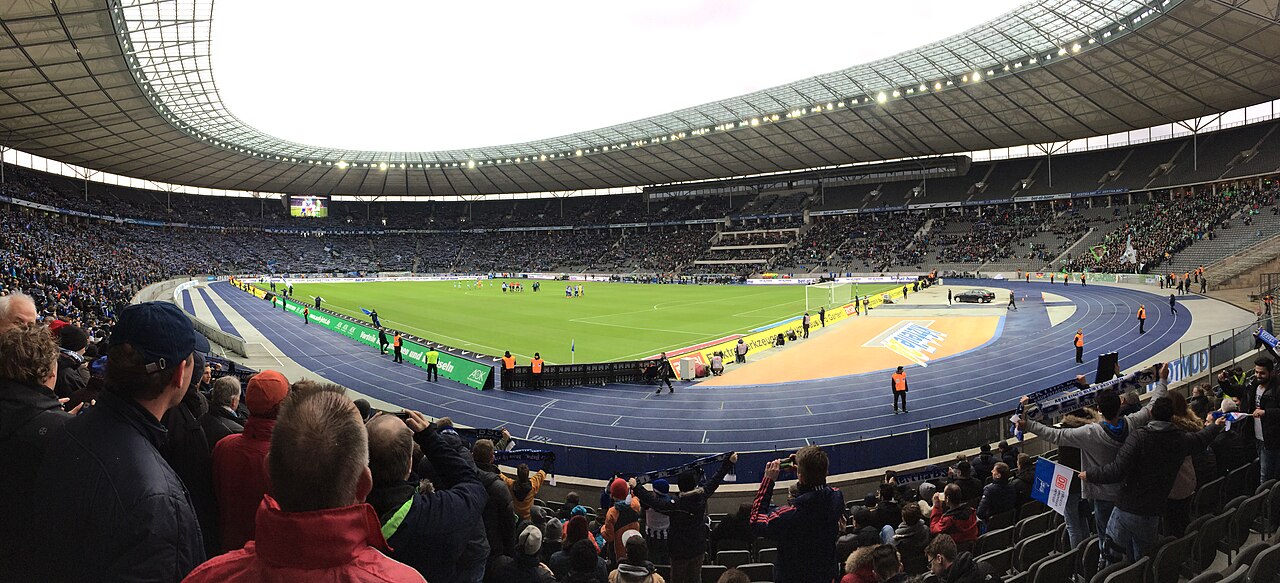
Kallerna’s photograph dated 20 February 2016 provides a later architectural context for Berlin’s Olympic legacy. It is not a portrait of Yaşar Erkan or a 1936 wrestling contest; wrestling took place at the Deutschlandhalle.
At a glance
- Games
- Berlin 1936
- Style
- Greco-Roman
- Weight
- 61kg
- Historic first
- First Olympic gold
The first Olympic gold
Yaşar Erkan won Türkiye's first Olympic gold medal in Greco-Roman wrestling at 61 kilograms in Berlin in 1936. The distinction matters: the country's first Olympic medal and its first gold are separate historical records. Ahmet Kireççi had opened the medal account with freestyle bronze at the same Games. Erkan then supplied the first championship. Together, the two achievements illuminate the young Republic's developing relationship with international sport. Giving one athlete his place does not require removing the other from the account. Berlin became a reference point for later generations of Turkish wrestlers, but it was a breakthrough within an existing sporting culture rather than the sudden beginning of all wrestling in the country.
↑ Back to dossier contentsWhy the wrestling style matters
Erkan's title was in Greco-Roman, not freestyle wrestling. Greco-Roman prohibits direct attacks on the legs and active use of the legs against the opponent, making upper-body control especially important. Hand fighting, arm ties, body locks and changes in balance create the opening for an attack. A spectator sees the spectacular throw, but its preparation may lie in a small change of shoulder angle or a superior grip. This distinction also helps explain historical photographs. A standing hold and a turn on the mat are not repetitions of the same task. Comparisons with modern freestyle champions can reveal a shared competitive tradition without treating the two styles as interchangeable rule systems.
↑ Back to dossier contentsUnderstanding the competition in its own time
It is misleading to imagine every historical championship through a present-day elimination bracket. Wrestling's weight categories, round structures, scoring and passivity rules have changed. Erkan's 61-kilogram event should therefore not be treated as simply an old label for a modern division. Nor can an archived action be used to reconstruct a historical score by applying today's points automatically. The enduring sporting objective is to control an opponent, disturb balance and establish tactical superiority throughout the contest. Erkan won within the competition system of his own Games. A useful history makes that achievement understandable without asking earlier athletes to pass a retrospective test under conditions they never faced.
↑ Back to dossier contentsA medal within the Republic's sporting institutions
The years between Paris 1924 and Berlin 1936 formed part of Türkiye's developing international sporting organisation. Preparing an Olympic delegation required selection, travel, training opportunities and relationships with domestic clubs as well as the athlete's daily work. Erkan's medal made that wider effort visible through an individual performance. Reducing the result to one person away from the mat or a single administrative decision would obscure the process. Wrestling's movement from local competitive traditions into internationally regulated arenas brought inherited knowledge into contact with a modern tournament structure. Coaches and clubs contributed to that transition alongside official organisation. The ceremony was a brief, memorable expression of preparation extending far beyond the podium.
↑ Back to dossier contentsWhat later generations inherited
Erkan's name marks an early point in a broad wrestling history that also includes Hamit Kaplan, Hamza Yerlikaya and Taha Akgül. Connecting those athletes does not mean they won with identical techniques or in the same style. It shows the long place Türkiye established in international wrestling across changing competitions. One effective way to preserve Erkan's legacy is to make Greco-Roman understandable to a new spectator: grip advantage, control of the centre and the moment of transition into attack can be as absorbing as the medal itself. Then 1936 becomes more than a date to memorise. It becomes a story about how a first championship supplied later generations with an ambition and a historical point of comparison.
↑ Back to dossier contentsArchive note
Archive images for wider context

Kallerna’s photograph dated 20 February 2016 provides a later architectural context for Berlin’s Olympic legacy. It is not a portrait of Yaşar Erkan or a 1936 wrestling contest; wrestling took place at the Deutschlandhalle. Kallerna / Wikimedia Commons · CC BY-SA 4.0
More stories in this discipline
Wrestling
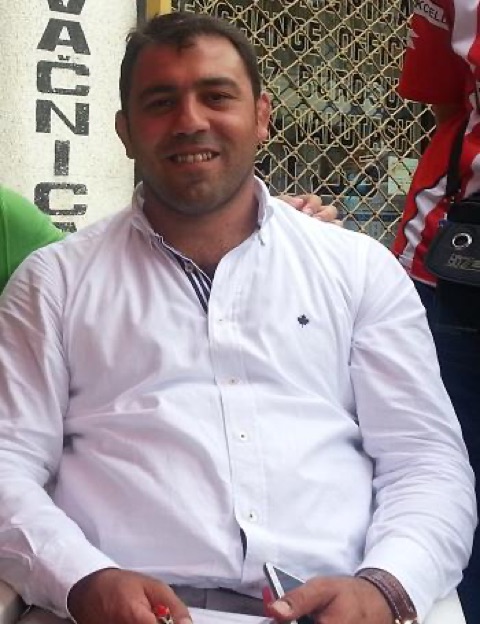
Hamza Yerlikaya
Hamza Yerlikaya’s teenage world title began a career that went on to include two Olympic golds.
Detailed career dossier Brief biography and historical contextWrestling
Taha Akgül
A heavyweight wrestler combining Olympic, world and multiple European titles in one career.
Detailed career dossier Brief biography and historical context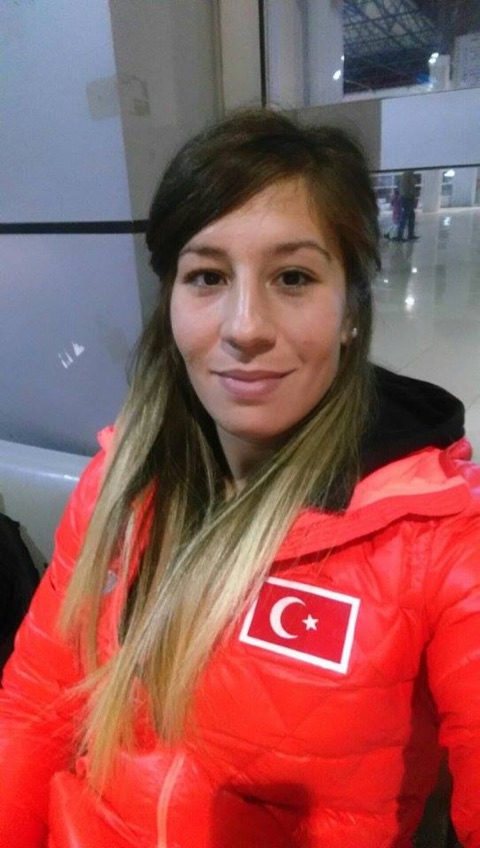
Wrestling
Yasemin Adar Yiğit
Yasemin Adar Yiğit broke world-title and Olympic-medal barriers for Turkish women’s wrestling.
Detailed career dossier Brief biography and historical contextDocuments and sources4 sources
Official reference points used to verify the chronology and interpretive frame on this page.
- Olympic gold-medal table, 1936–2012 ↗GSB
Published by GSB: Olympic gold-medal table, 1936–2012. Supports the relevant results or rules context in this dossier.
- First medal and first gold in 1936 ↗TMOK · OLİMPİYAT DÜNYASI
Official history of Ahmet Kireççi and Yaşar Erkan at Berlin 1936.
- International wrestling rules, January 2026 ↗UWW
Published by UWW: International wrestling rules, January 2026. Supports the relevant results or rules context in this dossier.
- History of the Turkish National Olympic Committee ↗TMOK
Institutional chronology from Ottoman pioneers through Paris 1924 and the first medals.