Knowing Barış Manço only through children’s television or a handful of songs places the different sides of his work in separate boxes. His band recordings, narrative songs, stage appearance and televised journeys belonged to one public career. Born in Istanbul, educated in visual art in Belgium and closely associated with Kurtalan Ekspres, he tried several ways of making music accessible to people of different ages. This dossier connects those activities while keeping the sound of the recordings at its centre. Familiarity is a starting point for exploration, not a substitute for it.
- Birthplace
- Istanbul
- Longstanding collaboration
- Kurtalan Ekspres
- Place to explore
- Barış Manço House · Moda
A development larger than one genre
Manço’s musical route passed through school groups, international work and Turkish-language repertoire. Approach this as a collection of experiments with languages and ensembles rather than a straight line of improvement. Anatolian rock helps explain relationships between regional melodic material and electric instruments, but does not mean that every Manço song follows the same model. Short narrative pieces and extended instrumental passages reveal different possibilities. His visual-art training and public appearance provide another line of enquiry alongside the music, rather than evidence that a single genre can explain the entire catalogue.
Back to contentsKurtalan Ekspres and collaboration
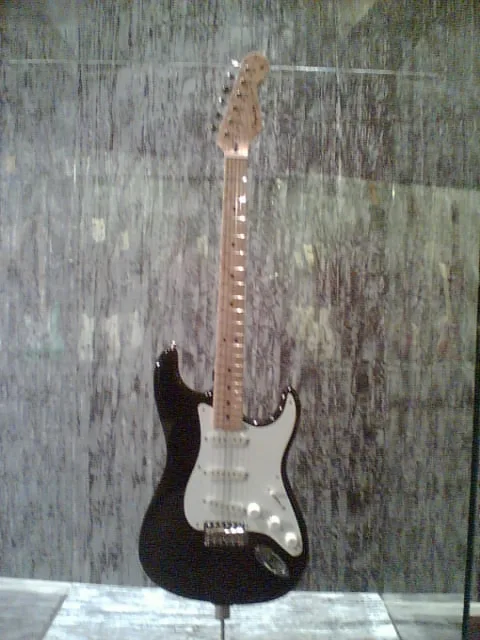
A singer’s name on the cover does not make a recording the work of one person. Kurtalan Ekspres’s bass, drums, keyboards and guitar helped create the environment in which Manço’s voice operated. Reading the credits of Dönence is particularly useful: a work remembered under one name emerged from collaboration. Follow the bass line first, then the percussion and the space made by guitars and keyboards. This changes the band from background accompaniment into an audible part of the musical construction. Credits and careful listening illuminate each other.
Back to contentsStories and ideas within songs
Sarı Çizmeli Mehmet Ağa, Halil İbrahim Sofrası and Gülpembe offer different narrative possibilities. They can invite thought about social measures of value, sharing, and memory or loss respectively. These are proposed readings, not compulsory meanings. Concrete people, objects and everyday expressions make abstract ideas easier to picture and remember. Accessibility should not automatically be confused with simplicity. Returning to a familiar song at another age can bring different details to the foreground, helping explain how the same repertoire can become meaningful across generations without every listener experiencing it identically.
Back to contentsConnecting television with the musician
7’den 77’ye and Adam Olacak Çocuk are central to Manço’s television memory. Their ways of meeting people, asking questions and presenting cultures can be considered alongside his interest in storytelling. Television recognition should nevertheless leave room for the earlier band recordings. Try following an archive programme with an uninterrupted album rather than a playlist of familiar singles. Compare the visual pace of the screen with the musical pace of the record. The two media communicate differently, and understanding both makes the public artist more interesting than a nostalgic television image alone.
Back to contentsA listening route and a place in Moda
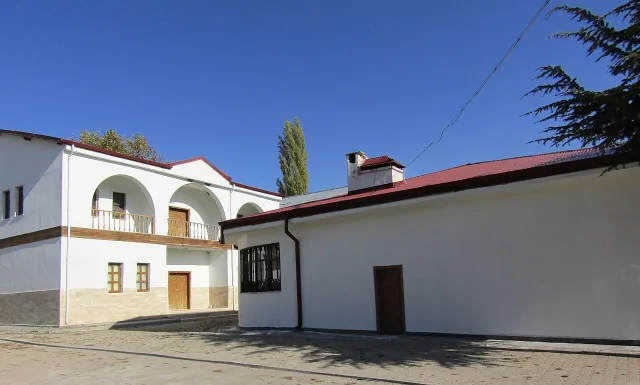
Begin with Dönence for the band sound, Gülpembe for the treatment of memory, and Halil İbrahim Sofrası for a social narrative. Next, explore less familiar pieces on the same albums to broaden a portrait built only from hits. Barış Manço’s house in Moda offers another encounter through objects and the setting of daily life; check current visiting arrangements with the municipality. The accompanying photograph from Mexico shows Manço with Erkan Umut in a real archival setting. It is not presented as a Turkish concert photograph or a staged portrait.
Back to contentsA timeline of life, work and history
- 1943
Born in Istanbul
He was born on 2 January, beginning a life that would connect music, visual art and broadcasting.
- 1958
School-stage experience
The municipal house biography identifies this period with his early appearances on stage.
- 1988
The 7’den 77’ye period
Television opened another setting for his communication with children and adults.
- 1999
Death and continuing circulation
He died on 1 February; recordings and television archives continued to reach later generations.
Watch and listen: a visual reading path
Use this selection alongside the analysis above. Supported YouTube publications can be watched on this page after you choose to load their player. The publisher’s rights and availability conditions apply; the player does not load or start automatically. Official publication links remain available as an alternative.
barismancotv
Dönence — official audio release
The official artist-channel recording for hearing the extended rock arrangement from the 1981 album.
Choosing to load the player connects to YouTube and shares technical data such as your IP address with Google. Autoplay is off. This choice does not change your cookie preferences. The publisher may restrict regional access or embedding; the official link below provides an alternative.
Questions and explanations
Did Manço compose Dönence entirely alone?
Remembering a recording through one singer’s name does not remove its collaborative credits. Consult songwriting information and the credits of individual editions. Hearing the bass and percussion closely turns a question about authorship into a practical musical activity and restores attention to the ensemble.
Are the children’s songs separate from his rock career?
Different repertoire addresses different listeners, yet an interest in storytelling connects it. Moving from a song for younger audiences to an extended band recording shows how one artist can communicate at different scales. Neither part of the career needs to replace the other.
What should I research before visiting the house?
Check the municipality’s current opening, ticket and access arrangements. Then connect the objects you hope to see with the music: which period might a stage item, instrument or working room help explain? This makes a visit more useful than collecting photographs alone.
Sources, image rights and research method
This is original explanatory and analytical writing informed by the sources below. AI assisted research and drafting. Awards for people, teams and institutions are distinguished; dated results are not current rankings. Media links do not claim a licence to republish a video here. Use the publisher’s correction process if a fact is wrong.
- Kadıköy Belediyesi · Barış Manço Evi biyografisi ↗ Source check: 2026-10-03
- Muzikotek · Dönence eser sahipliği ve yeni yorum ↗ Source check: 2026-10-03