
← Back to History of the Republic
Türk Genelkurmayı; fotoğrafçı bilinmiyor / Wikimedia Commons · Public domain · PD-Ottoman ↗ Republic · farewell and continuity
The death of Atatürk
Mustafa Kemal Atatürk died at Dolmabahçe Palace on 10 November 1938. Parliament’s election of İsmet İnönü the next day tested constitutional continuity amid profound national loss.
10—11 November 1938Dolmabahçe · Ankara
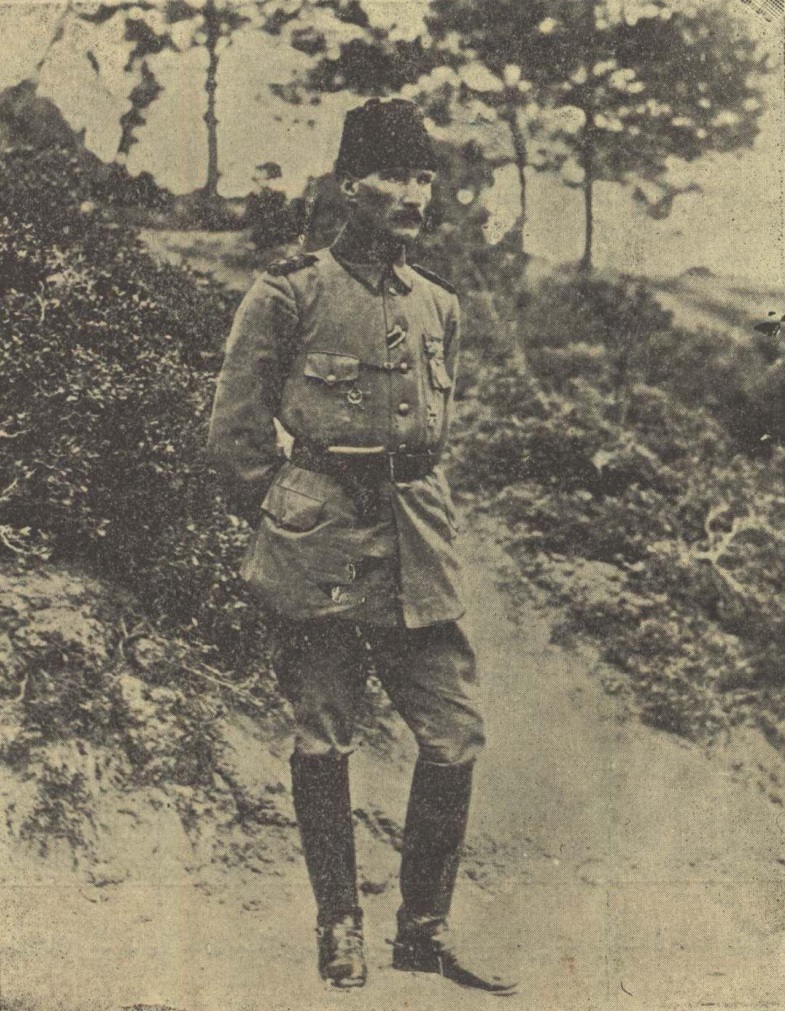
Portrait published in Harp Mecmuası, December 1915; military service before the Republic.
At a glance
- Died
- 10 November · 09:05
- Place
- Dolmabahçe
- New president
- İsmet İnönü
- Election
- 11 November 1938
10 November 1938: the end of a life
Mustafa Kemal Atatürk died at Dolmabahçe Palace at 09:05 on 10 November after his illness had worsened during 1938. The date ended the founding leader's life, not the institutions of the Republic or every question inherited from the founding period. News of his death brought widespread mourning and ceremonies. The event had personal and public meanings together: people said farewell to a familiar leader while the state still had to function. Both dimensions matter. Treating the death only as an occasion for emotion leaves constitutional continuity unexplained; describing it merely as a change of office leaves the experience of loss out of the story. These processes occurred together in November 1938.
↑ Back to dossier contentsAn office continuing beyond its holder
The 1924 Constitution supplied an institutional framework for a vacant presidency. Parliament met on 11 November and elected İsmet İnönü president. The headship of state therefore passed through an Assembly decision after the founder's death. Its significance concerns the continuation of an office through a legal procedure despite the exceptional standing of the individual who had occupied it. This did not mean that Türkiye immediately entered a competitive multiparty electoral system; politics remained within a single-party setting. Constitutional procedure and the breadth of political competition are different questions. Keeping them distinct allows continuity to be assessed accurately. İnönü's presidency would be shaped both by inherited policies and by the new decisions required as an international crisis approached.
↑ Back to dossier contentsThe farewell journey from Istanbul to Ankara
Transporting the funeral from Istanbul to Ankara turned mourning into a public ceremony connecting the two cities. In Ankara, the catafalque outside the Assembly and guards of honour made the relationship between the founder and the representative institution visible. His remains were placed in a temporary tomb at the Ethnography Museum on 21 November 1938. Images of the 1938 funeral should therefore not automatically be identified as scenes at Anıtkabir; the permanent mausoleum had not yet been completed. The station, Assembly and museum performed different roles in the route. Funeral history concerns not only the movement of remains, but also the public spaces through which shared memory was formed. Photographs become more informative when their places and dates remain distinct.
↑ Back to dossier contentsFrom the temporary tomb to Anıtkabir
The creation of Anıtkabir followed the loss of 1938 as a project for a permanent commemorative place. Design, site selection and construction required sustained work by state institutions and specialists. Atatürk's remains were transferred from the Ethnography Museum to Anıtkabir on 10 November 1953. Distinguishing 1938 from 1953 also reveals a change in the history of commemoration. Practices of visiting and ceremony first centred on a temporary tomb and later moved to a different architectural and public setting. Anıtkabir is not simply a burial place: it gives spatial form to narratives of the national struggle and the Republic. Its architecture can thus be read as a structure carrying memory, not an isolated building detached from historical events.
↑ Back to dossier contentsPlacing events after Atatürk in their correct chronology
Hatay's incorporation into Türkiye was completed in 1939, the year the Second World War began. Atatürk's previous diplomacy and approach to preserving peace left an important inheritance, but he did not personally make the decisions that followed his death. President İnönü, governments and diplomatic personnel assumed responsibility under changing conditions. Distinguishing these actors does not reduce the founder's influence; it places people and events in their proper time. Republican history is strongly connected to one life but is not confined to that biography. This is the link from the farewell page to the Hatay and wartime dossiers. Commemoration remembers the past while also opening the question of how established institutions continued through new generations and new crises.
↑ Back to dossier contentsArchive note
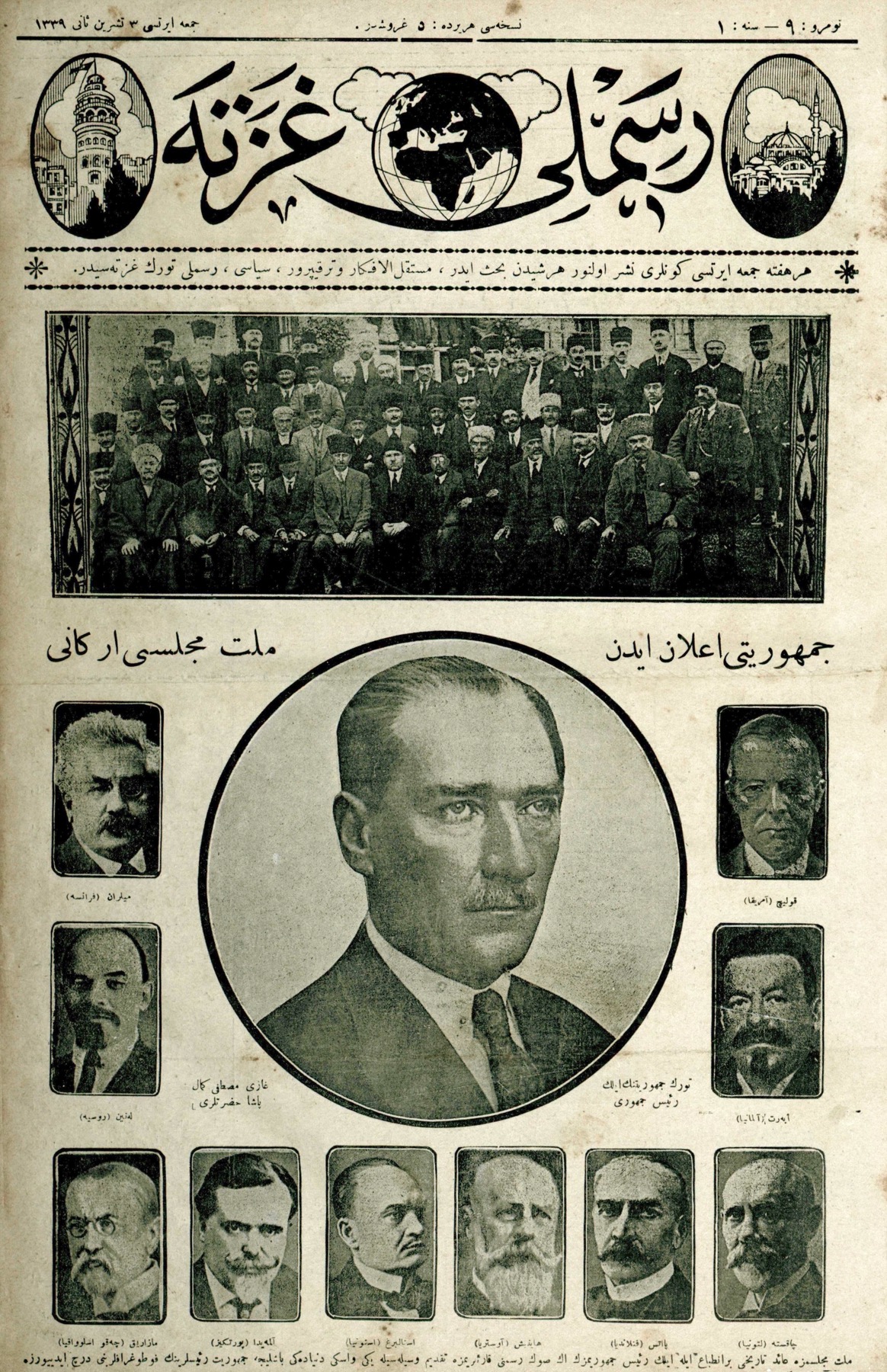
Archive images for wider context

Cumhuriyet Atlas
Continue the story here

13 October 1923
Ankara becomes the capital
The operational centre of the National Struggle became the constitutional capital of the new state.
Explore → 29 October 1923
Proclamation of the Republic
The national-sovereignty system developing since 1920 was formally named a republic.
Explore → 29 October 1923—10 November 1938
Reforms during Atatürk’s presidency
New institutions in law, education, script, citizenship and everyday life.
Explore →Cumhuriyet
See the story in motion
Selections from our channel. Watch, open a related dossier and keep exploring.
Explore the video library →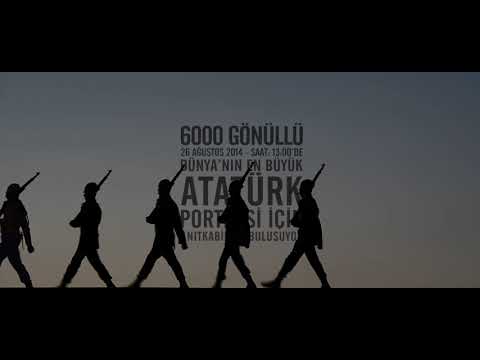 3:14
Atatürk & remembrance
Anıtkabir: remembering Atatürk
A visual commemoration of Anıtkabir and Atatürk’s memory, with links to his biography and our 10 November dossier.
Watch & explore →Documents and sources4 sources
Official reference points used to verify the chronology and interpretive frame on this page.
- The death of Atatürk ↗Millî Savunma Bakanlığı
Funeral, temporary burial and transfer in 1953.
- The idea of Anıtkabir ↗Anıtkabir Komutanlığı
Official history of creating a permanent commemorative site.
- Historical presidential elections ↗TBMM
Election and service dates for Atatürk and İnönü.
- The 1924 Constitution ↗Anayasa Mahkemesi
Constitutional text and dated amendments.