
← Back to History of the Republic
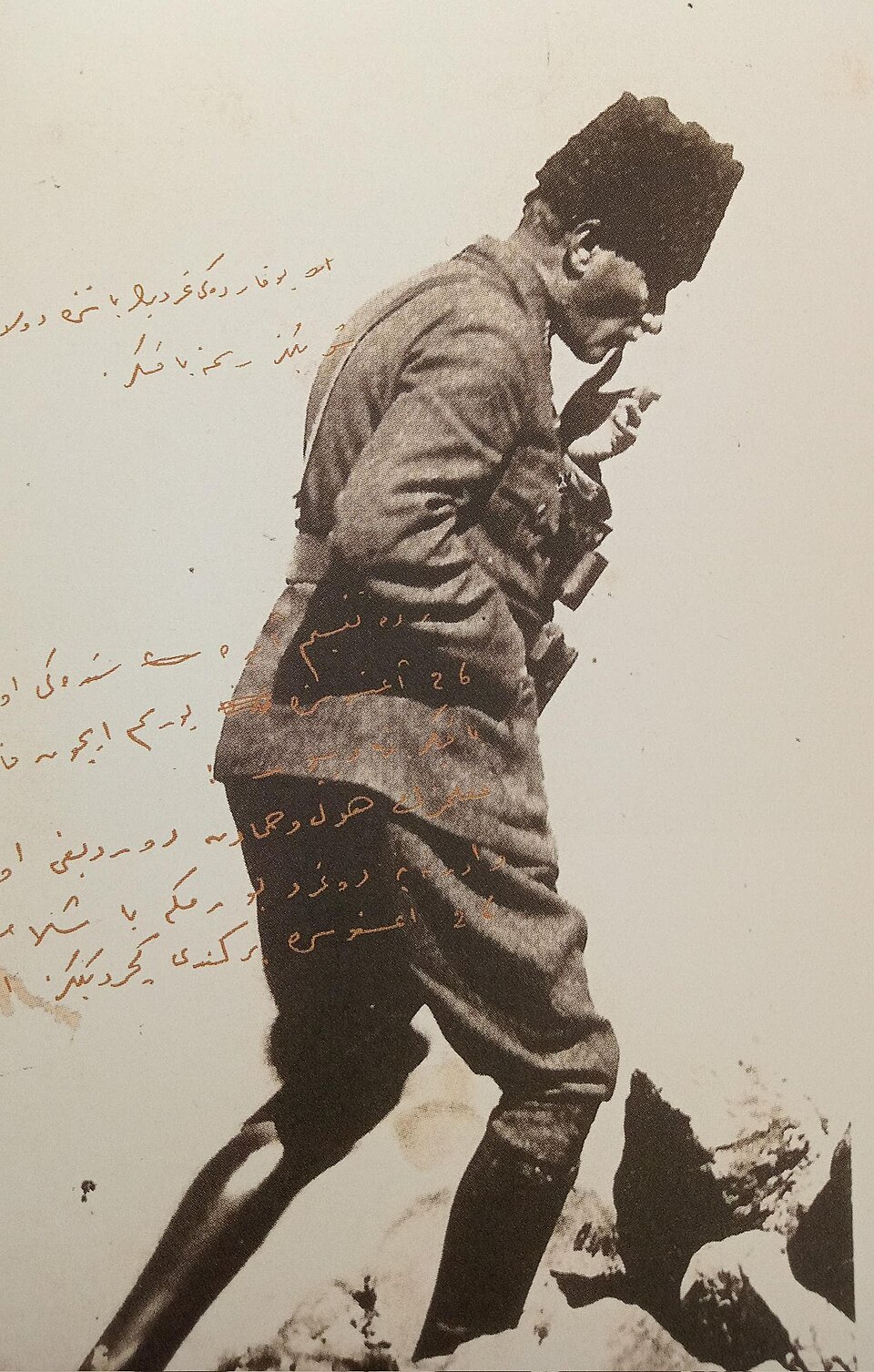
Etem Tem / Türk Genelkurmayı Arşivi / Wikimedia Commons · Public domain ↗ Campaigns · decisive result
The Great Offensive and Dumlupınar
The Great Offensive was not a single moment of attack but the outcome of long preparation coordinating manpower, transport, intelligence, ammunition and political patience.
26 August—9 September 1922Afyonkarahisar · Dumlupınar · İzmir
Mustafa Kemal Pasha at Kocatepe during the Great Offensive, 1922. Photograph: Etem Tem. The source filename and campaign chronology differ, so this caption does not assert an exact day.
At a glance
- Offensive
- 26 August 1922
- Dumlupınar
- 30 August 1922
- İzmir
- 9 September 1922
- Commander-in-chief
- Mustafa Kemal Pasha
Why waiting after Sakarya meant preparation
The defensive success of autumn 1921 did not establish that the army could immediately launch a decisive offensive. The intervening months involved training, organisation, equipment and concentration. Holding a defensive position and breaking an opposing line while sustaining movement over distance impose different requirements. Preparation is not an empty interval between events; it is work through which an eventual military result becomes possible.
Parliamentary criticism and expectations about timing reveal the political responsibility of command. Mustafa Kemal's contribution extended beyond being at the front when artillery opened fire. Assessing readiness and the appropriate moment with the command structure formed part of that leadership. Knowing the outcome now should not make every contemporary worry about the waiting period seem meaningless.
↑ Back to dossier contentsA command structure larger than one photograph
Commander-in-chief Mustafa Kemal, Chief of the General Staff Fevzi Pasha and Western Front commander İsmet Pasha held different responsibilities. Nurettin Pasha commanded the First Army and Yakup Şevki Pasha the Second. Corps, divisions and regiments translated a plan into action on the ground. These distinctions make it possible to describe Atatürk's decisive leadership without attributing every contribution to one individual.
Etem Tem's Kocatepe photograph became an emblem of the period, not a complete representation of an army's work. Headquarters staff, messengers, ammunition personnel and soldiers outside its frame were also participants. Preserving the photograph's value means not presenting it as direct evidence of every decision or engagement elsewhere. Here it is captioned conservatively to the 1922 offensive period rather than assigned a disputed exact day.
↑ Back to dossier contents26–27 August: concentrating south of Afyon
The attack against defences south of Afyonkarahisar began on the morning of 26 August. Concentrating troops and fire in a selected sector is not the same as attacking with equal intensity everywhere. Seeking local advantage aimed to break a position and open space for further movement. Comparing only the armies' overall sizes would conceal where and how the plan operated.
Kocatepe mattered for observation and command; the heights around Kalecik, Tınaz and Belen mattered for defence and approaches. Separating them on a map prevents monument names from substituting for geography. The opening attacks and developments around Afyon on 27 August were successive phases. Breaking a defensive line did not automatically complete pursuit and encirclement.
↑ Back to dossier contentsCavalry, reconnaissance and supply
Fahrettin Altay's cavalry played important roles in movement behind the front and along transport connections. Cavalry was not simply a fast-moving ceremonial image: it required information, navigation, liaison and supplies. Coordination between the main attack and movement behind the opposing forces affected opportunities for encirclement.
Air reconnaissance contributed to command's information, as Fazıl Bey's biography helps demonstrate. Horses, aircraft and artillery nevertheless had different transport, maintenance and fuel or fodder requirements. Moving materials between local communities and the front exposes the social labour behind victory. An accelerating advance did not make supply less important; keeping support moving with formations could become more difficult.
↑ Back to dossier contents28 August: pursuit routes
Çaykıran's published chronology places Mustafa Kemal in Afyon and then Balmahmut on 28 August, urging continued pursuit. Entry into Afyon had not ended the operation. Moving command forward should be read alongside the need to maintain pressure on forces beyond the breached front.
Fevzi Çakmak's speech of 30 August 1924 describes the Second and Fourteenth Cavalry Divisions crossing north of the railway towards Ulucak and Eğret on the night of 27–28 August. Infantry taking positions and cavalry reaching withdrawal routes were different tasks; combining them made regrouping harder.
↑ Back to dossier contents29 August: towards Çalköy
The same speech describes the First Corps' Third and Twenty-third Divisions reaching Çalköy on 29 August and attacking towards Aslıhanlar to cut withdrawal towards Dumlupınar. Çalköy and Aslıhanlar were separate operational locations, not two names for one monument. This is a commander's later assessment, not a battle-day report.
Çaykıran describes Mustafa Kemal assessing incoming information with Fevzi and İsmet Pashas in Afyon on the night of 29–30 August. The next decision responded to ongoing fighting.
TRT records some Greek units escaping through an opening towards Kızıltaş stream on 30 August. Encirclement was not a perfect, motionless ring: seeking to block routes differs from closing every passage simultaneously. That distinction also explains why pursuit continued after the decisive engagement.
↑ Back to dossier contents30 August and pursuit: keep the dates distinct
The Commander-in-Chief Battle on 30 August was the decisive phase around Aslıhanlar, Çalköy and Dumlupınar, severely defeating the main Greek forces. Disruption of an army's fighting organisation does not mean every soldier was captured in one place that day. General Trikopis was taken prisoner on 2 September; moving this event into 30 August would distort chronology.
Westward advance and pursuit along different directions followed. Turkish troops entered İzmir on 9 September, one of the campaign's major outcomes. Not every town was regained on that date. The opening offensive, decisive engagement, pursuit and entry into cities are separate milestones. Their distinction also clarifies why Victory Day commemorates 30 August in particular.
↑ Back to dossier contentsFrom military outcome to armistice and peace
The military balance in western Anatolia changed, but the Straits, Istanbul and Eastern Thrace remained unresolved. Negotiations and the Mudanya Armistice of 11 October 1922 moved the achievement into another political phase. The Lausanne Peace Treaty of 24 July 1923 was neither the same document nor the same event. Ending operations and establishing a final international settlement should be distinguished.
Restoring civilian life was another process. Bereaved families, wounded or disabled veterans and people needing assistance must not disappear from celebration. When visiting historical sites, distinguish a monument's opening from the battle date, and a veteran's later recollection from a contemporary report. A strong account of victory also makes its human cost, subsequent diplomacy and reconstruction work visible.
↑ Back to dossier contentsRead the turning points together
- Autumn 1921–summer 1922
Preparation
After defensive success, training, organisation and concentration of resources continued for an offensive.
- 26–27 August 1922
Breakthrough and Afyon
Breaking positions south of Afyon created opportunities for subsequent encirclement and pursuit.
- 28 August 1922
Afyon and Balmahmut
Mustafa Kemal's movement and pursuit instruction show continuing pressure after the breakthrough.
- 29 August 1922
Fighting continues
The day's fighting and command assessment connect the breakthrough to the following day's battle.
- 30 August 1922
Commander-in-Chief Battle
The decisive Dumlupınar phase severely disrupted the main Greek forces' fighting organisation.
- 2–9 September 1922
Capture and İzmir
Trikopis's capture and entry into İzmir were different developments after 30 August.
- 11 October 1922–24 July 1923
Mudanya to Lausanne
Armistice and peace treaty belonged to distinct political processes; military success altered negotiation conditions.
Explore the archive and documentary context
TRT Arşiv
The Great Offensive · veterans remembering later
The official archive documentary includes later-recorded recollections by Muhlis Karakullukçu, Zeki Eler and Hakkı Saygıner. Treat testimony and contemporary records separately, without assuming every sequence depicts the particular attack being narrated.
Choosing to load the player connects to YouTube and shares technical data such as your IP address with Google. Autoplay is off. This choice does not change your cookie preferences. The publisher may restrict regional access or embedding; the official link below provides an alternative.
Supported YouTube publications can be watched here by choosing to load their player. Videos are not copied onto our server. Interpret archive images alongside their production date and the narrator’s perspective; the official publication link remains as an alternative.
Questions and historical distinctions
Are the Great Offensive and Dumlupınar one day?
No. The offensive began on 26 August; the Commander-in-Chief Battle on 30 August was its decisive phase. Pursuit and entry into cities continued afterwards. An extended operation must not be equated with one day's engagement, or that engagement with the entire campaign.
Was Trikopis captured on 30 August?
The capture date is 2 September 1922. Defeat on 30 August and subsequent captivity were connected, not identical events. A useful historical timeline preserves that distinction.
Is Mudanya another name for Lausanne?
No. Mudanya was an armistice, Lausanne a peace treaty. Their dates, participants and provisions differed. Military achievement changed the conditions for talks, but an international political settlement still required negotiation and agreement.
Did encirclement mean every escape route was closed?
Not at every moment. Units escaping towards Kızıltaş require a distinction between the encirclement objective and its actual result.
Archive note
Archive images for wider context


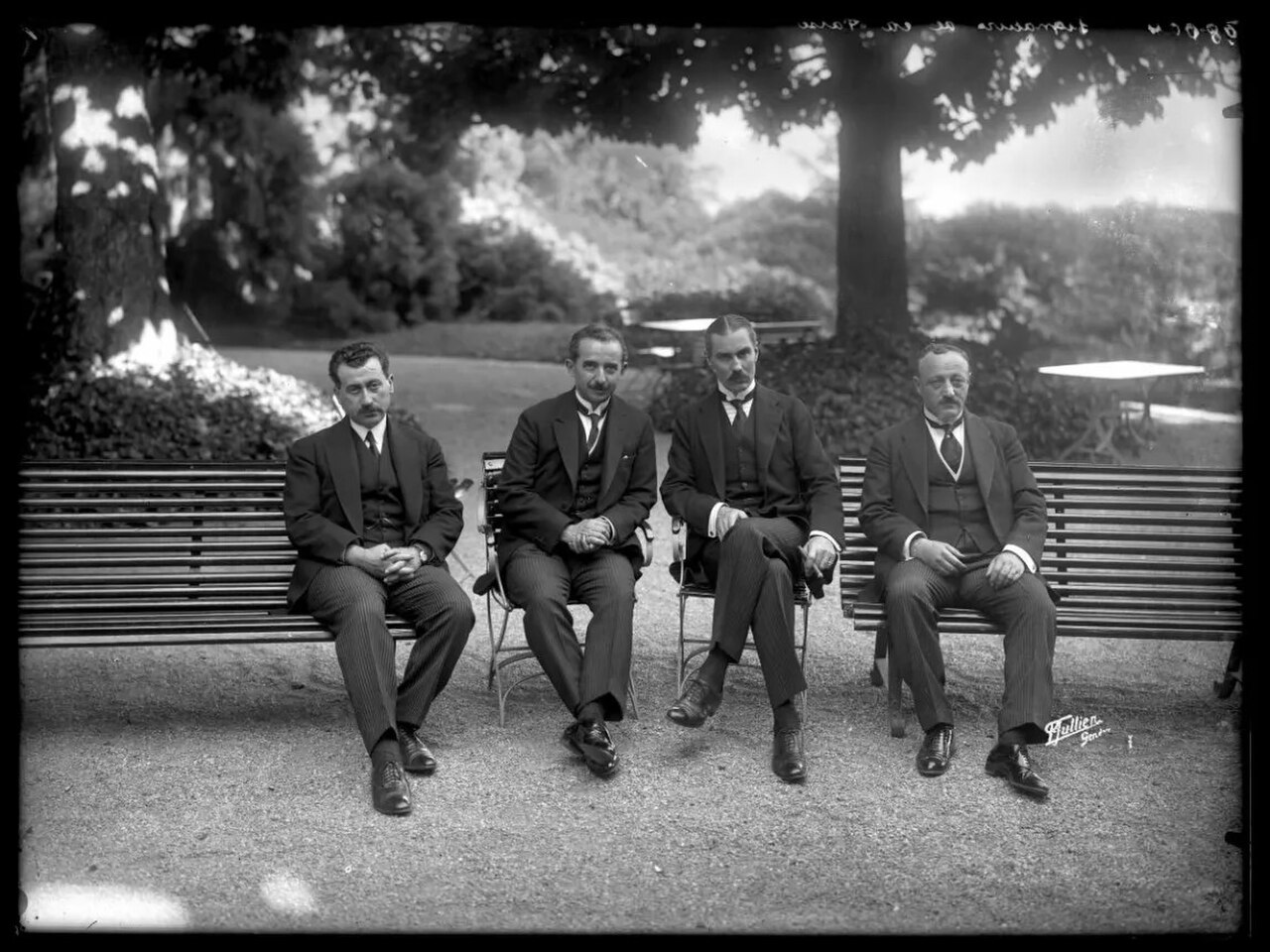
Cumhuriyet Atlas
Continue the story here
6—11 January 1921
First Battle of İnönü
The newly formed regular army’s first major test on the Western Front.
Explore →
10–24 July 1921 · redeployment on 25 July
Kütahya–Eskişehir: defeat, withdrawal and rebuilding
The essential chapter between İnönü and Sakarya: lost cities, the decision of 18 July, the counterattack of 21 July and Parliament’s efforts to rebuild the capacity to fight.
Explore →
23 August—13 September 1921
The Battle of Sakarya
A twenty-two-day-and-night defence halted the advance toward Ankara.
Explore →Documents and sources14 sources
Official reference points used to verify the chronology and interpretive frame on this page.
- The Great Offensive ↗Atatürk Ansiklopedisi
Preparation and the August 1922 operation.
- Chronology of 1922 ↗Kültür ve Turizm Bakanlığı
Sequence of offensive, pursuit and armistice dates.
- The account of liberation ↗Kütahya İl Kültür ve Turizm Müdürlüğü
Distinguishes the opening at Kocatepe from 30 August at Zafertepeçalköy.
- ATAM · Fahrettin Altay ve süvari ↗ataturkansiklopedisi.gov.tr
- ATAM · Fevzi Çakmak ↗ataturkansiklopedisi.gov.tr
- ATAM · Fazıl Bey ve hava harekâtı ↗ataturkansiklopedisi.gov.tr
- ATAM · General Trikopis'in esir alınması ↗ataturkansiklopedisi.gov.tr
- Kültür ve Turizm Bakanlığı · Dumlupınar ve anıtlar ↗kutahya.ktb.gov.tr
- ATAM · Mudanya Mütarekesi ↗ataturkansiklopedisi.gov.tr
- Dışişleri Bakanlığı · Lozan Barış Antlaşması, siyasî hükümler ↗www.mfa.gov.tr
- MSB · Askerî Tarih Belgeleri Dergisi: şehit çocukları, malul gaziler ve yardım ↗www.msb.gov.tr
- ATAM · Çaykıran’ın harekât güncesi ↗atamdergi.gov.tr
- ATAM · Fevzi Çakmak’ın 1924 konuşması ↗atamdergi.gov.tr
- TRT Haber · Büyük Taarruz günlüğü ↗interaktif.trthaber.com