

← Back to History of the Republic
arastiralim.net / Wikimedia Commons katkıcısı · CC BY-SA 3.0 ↗ National sovereignty · Assembly
Opening of the Grand National Assembly
23 April 1920 gave military resistance a legal and political centre. The Assembly directed the war while institutionalizing a new understanding of sovereignty.
23 April 1920Ankara
Opening of the Grand National Assembly, 23 April 1920.
At a glance
- Opened
- 23 April 1920
- Place
- Ankara
- President
- Mustafa Kemal
- First constitution
- 20 January 1921
Representation after the occupation of Istanbul
The opening of the Grand National Assembly in Ankara on 23 April 1920 was much more than the use of a new meeting hall. The formal occupation of Istanbul in March and the end of the last Ottoman Chamber of Deputies' work intensified the question of who could decide on the nation's behalf. The Ankara Assembly had to direct the independence struggle while establishing a representative basis for that authority. Mustafa Kemal's call for elections turned this requirement into a practical organisation. Its significance lay partly in placing decisions extending from taxation to foreign relations under an assembly, rather than treating the struggle solely as a military command. Congress representation became a continuing institution of lawmaking and government.
↑ Back to dossier contentsWho sat in the first Assembly?
Representatives returned through new elections sat alongside deputies from the last Ottoman parliament who were able to reach Ankara. This arrangement combined continuity in parliamentary experience with adaptation to new conditions. Members were not uniform in occupation, social background or political outlook. Religious figures, military officers, administrators and representatives of different local environments could cooperate around independence while disagreeing over powers and methods. A common objective did not remove debate. Presenting the first Assembly as a room of people who merely endorsed one another erases a central part of its history. Its ability to seek decisions within one institution despite divergent views was especially important under wartime pressure and helped give its authority a representative character.
↑ Back to dossier contentsHow assembly government operated
The new arrangement was not a system in which an executive stood entirely apart from parliament. Legislative and executive powers were concentrated in the Assembly, which elected the executive ministers. Mustafa Kemal became Assembly president on 24 April, while subsequent decisions shaped the machinery of administration. This model sought a direct connection between decisions and implementation in exceptional circumstances. It could assist mobilisation, but also raised questions about ministerial responsibility and parliamentary supervision. Ministries, budgets and legislation show how representation became the daily business of government. Assembly sovereignty was therefore more than a slogan: it described a working institutional arrangement carrying many different responsibilities. Understanding that arrangement helps explain why debates about executive authority were also debates about the independence struggle itself.
↑ Back to dossier contentsThe 1921 Constitution and the source of power
Adopted on 20 January 1921, the constitutional law placed the principle of national sovereignty in a constitutional text. This short wartime constitution described legislative and executive authority as concentrated in the Grand National Assembly. The historical change concerned the source of political legitimacy: authority was grounded in an assembly acting for the nation rather than simply inherited through a dynasty. That does not make the 1921 order identical to a contemporary democracy with all its present institutions and guarantees. It was formed under exceptional conditions and would subsequently change. Its importance lies less in having specified every future institution than in expressly identifying the source to which the government directing the independence struggle traced its authority.
↑ Back to dossier contentsFrom wartime government to the Republic
The first Assembly had to legislate, obtain revenue, meet military needs, address internal security problems and conduct external relations at the same time. The concentration of these tasks explains why its opening should be understood as institutional work, not only a commemorative ceremony. Exceptional wartime powers were also connected to parliamentary decisions and debates; separating military leadership from representative government gives an incomplete picture. The proclamation of the Republic in 1923 introduced an explicit republican form, a presidency and a revised governmental arrangement on the foundation of national sovereignty established in 1920. Consequently, 23 April and 29 October describe different events. One created the central representative institution; the other formally defined the state's governmental form as a republic.
↑ Back to dossier contentsArchive note
Archive images for wider context


Cumhuriyet Atlas
Continue the story here
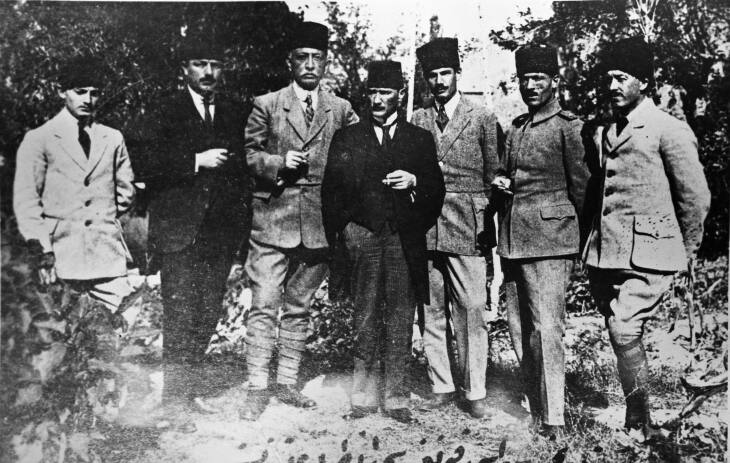
1919—1923
Atatürk and national sovereignty
A changing basis of leadership from official assignment to congress authority, the Representative Committee and the Assembly.
Explore →
September 1920–September 1922 · campaign and treaties
The Eastern Front: from the 1920 campaign to the Caucasus treaties
Karabekir’s campaign through Sarıkamış, Kars and Alexandropol; the uncompleted ratification of Alexandropol, the Moscow compromise and the distinct parties, dates and consequences of Kars.
Explore →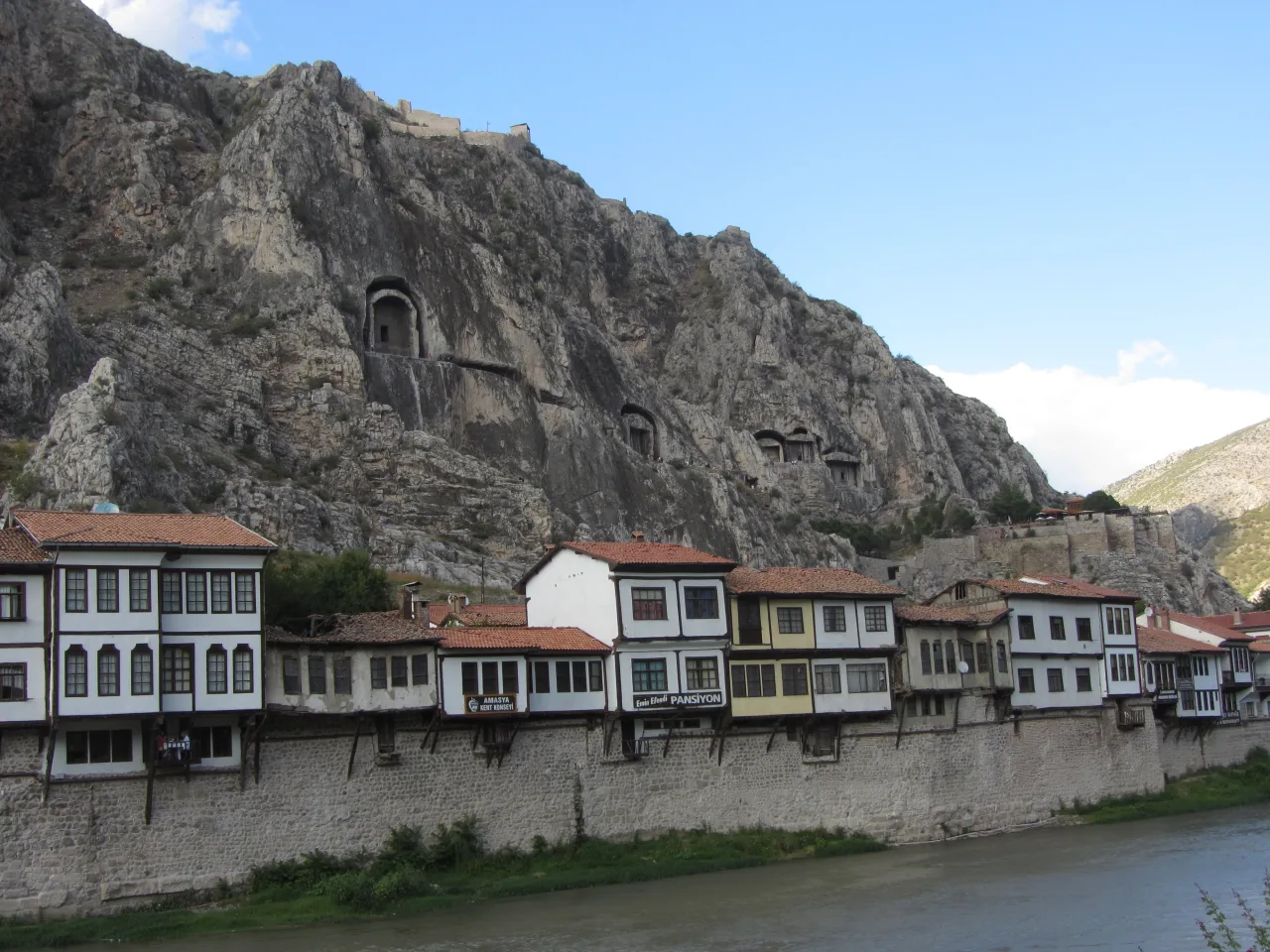
21—22 June 1919
The Amasya Circular
The programme that joined national sovereignty to the call for a general congress at Sivas.
Explore →Documents and sources3 sources
Official reference points used to verify the chronology and interpretive frame on this page.
- Chronology of 1920 ↗Kültür ve Turizm Bakanlığı
Dates of the occupation, assembly call and institutional decisions in Ankara.
- The 1921 Constitution ↗Anayasa Mahkemesi
Constitutional text establishing national sovereignty and assembly government.
- War of Independence Museum ↗TBMM
The Assembly’s opening, constitutional steps and the 1919–1923 chronology.