The Pocket Hercules nickname captures the striking relationship between Naim Süleymanoğlu’s stature and his performances. Yet interpreting weightlifting only through strength hides technique, balance and attempt selection. His three Olympic golds also belong to a biography spanning Bulgaria and Türkiye. This dossier connects that historical movement with an explanation of how the competition itself works.
- Sport
- Weightlifting
- Olympic golds
- 1988 · 1992 · 1996
- The two lifts
- Snatch and clean and jerk
From Ptichar to Türkiye
Born in Bulgaria’s Ptichar village in 1967, Süleymanoğlu first competed internationally for Bulgaria. His move to Türkiye in 1986 belongs to the historical context of pressure against Bulgaria’s Turkish minority. That setting matters, but reducing the athlete to a political symbol would conceal the years of practice and competitive experience behind his sporting achievements.
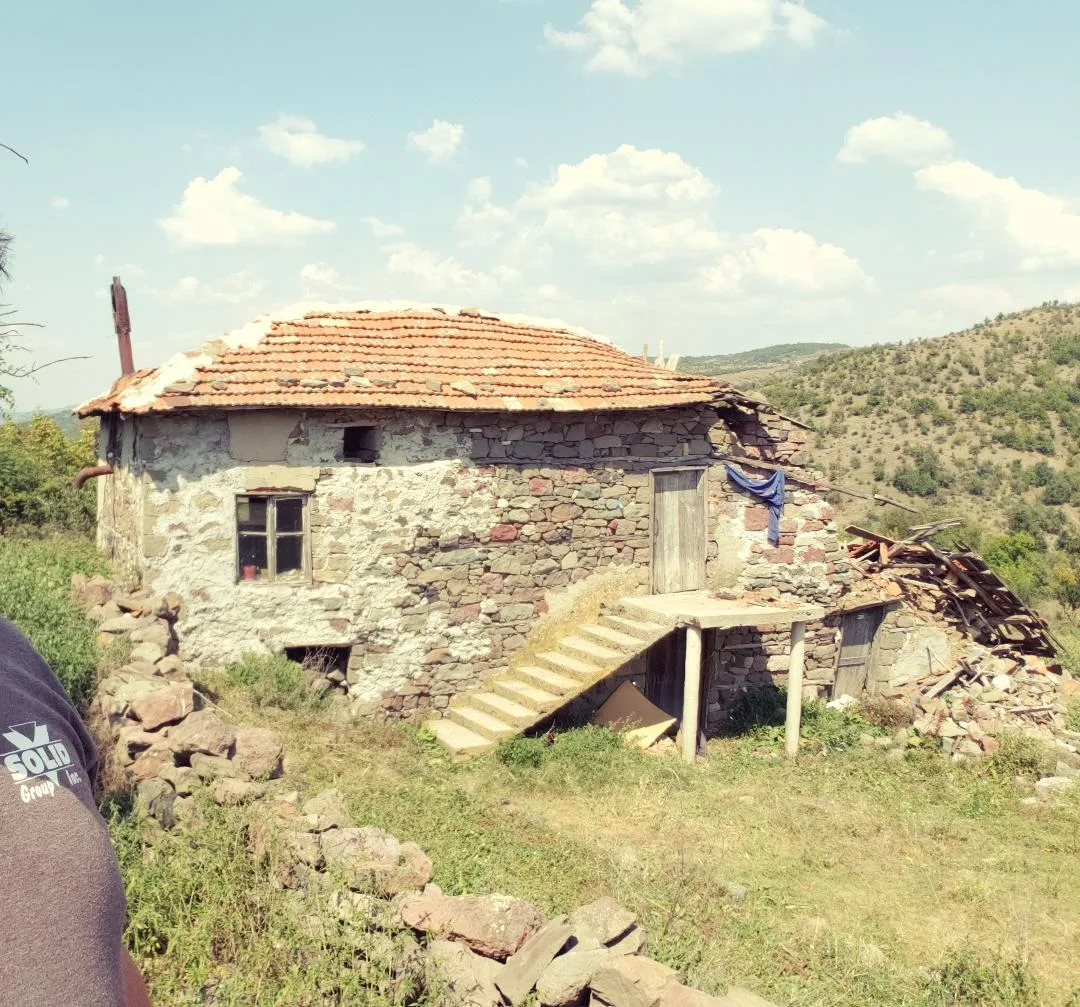
The archive photograph of his birthplace connects the biography to a location. It is neither evidence of a competition performance nor a record of current visiting conditions. Keeping the functions of a place photograph, a portrait and match footage distinct prevents historical sports pages from attaching a meaningful image to the wrong event.
Back to contentsSnatch and clean and jerk
In the snatch, the bar is taken overhead in one continuous movement. The clean and jerk brings it first to the shoulders and then overhead. This distinction is the starting point for watching Süleymanoğlu’s footage. Weight matters, but so do the timing of moving beneath the bar and the balance established at the finish.
IWF’s historical account records a 152.5kg snatch, 190kg clean and jerk and 342.5kg total at Seoul 1988. Those numbers belong to that competition’s category and rules. Changes to bodyweight divisions mean record lists from different periods should not be merged automatically into a single ranking of apparently comparable performances.
Back to contentsThree Olympics, changing circumstances
Süleymanoğlu won gold at Seoul 1988, Barcelona 1992 and Atlanta 1996, becoming the first weightlifter to win gold at three different Olympics. A single peak and repeated championships are different forms of achievement. The intervening years, new opponents and altered competitive circumstances help explain the value of maintaining success across Games.
His Atlanta contest with Valerios Leonidis can be watched as a sequence in which attempt choices respond to one another. The next weight is not determined solely by what a lifter can raise. An opponent’s total and the remaining attempts influence the decision. The sport becomes an unfolding strategic contest rather than a series of isolated displays of strength.
Back to contentsReading the attempt before the medal
Follow the feet, bar path and stabilisation from the start of a lift to its finish. A heavy attempt contributes to the competition only when judges accept it as valid. Briefly moving the bar overhead is not necessarily the same as completing a successful lift; final control is part of the performance.
This viewing guide is not a home exercise programme. Weightlifting requires appropriate equipment, loads and qualified supervision. The purpose is to make spectating more informed. A biography can explain how technical skill contributes to achievement without turning a champion’s performance into an instruction to imitate it unsupervised.
Back to contentsA legacy and a route across sports
Süleymanoğlu died in 2017. Medals, archive footage and biographical locations continue to preserve his memory. The surrounding history includes coaching, international federations and the Olympic movement as well as the individual athlete. His achievement can be understood as distinctive work within that institutional environment, rather than a success emerging without supporting structures.
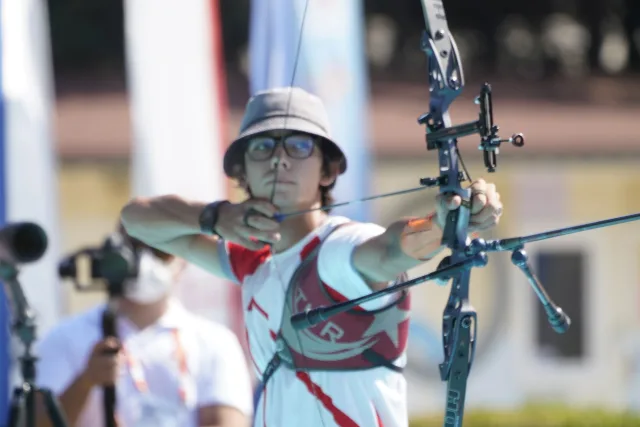
Compare İbrahim Çolak’s body control on rings with Mete Gazoz’s repeatable shooting sequence. These are different techniques, yet each poses a useful question: what preparation and decision system stands behind a movement that appears brief to the spectator? The Olympic-history guide connects those individual routes with Türkiye’s wider chronology.
Back to contentsA timeline of life, work and history
- 1967
Born in Ptichar
His life and early sporting environment began in Bulgaria.
- 1986
Move to Türkiye
A biographical turning point changed his international representation.
- 1988
Seoul gold
The competition included a 152.5kg snatch, 190kg clean and jerk and 342.5kg total.
- 1992–1996
Repeating the title
Barcelona and Atlanta completed three Olympic championships.
Watch and listen: a visual reading path
Use this selection alongside the analysis above. Supported YouTube publications can be watched on this page after you choose to load their player. The publisher’s rights and availability conditions apply; the player does not load or start automatically. Official publication links remain available as an alternative.
Olympics
Olympics · Naim’s Olympic medal lifts
Compare snatch and clean-and-jerk movements within their Olympic competition settings.
Choosing to load the player connects to YouTube and shares technical data such as your IP address with Google. Autoplay is off. This choice does not change your cookie preferences. The publisher may restrict regional access or embedding; the official link below provides an alternative.
Questions and explanations
Why watch the two lifts separately?
Their movement paths and stages differ. The competition total combines the best valid attempt in each discipline; one successful lift should not be mistaken for the whole event’s result.
Are old records directly comparable with today’s?
Bodyweight categories and recording periods can change. Check the division, date and applicable rules before comparing numbers. Historical significance is broader than a ranking by the heaviest weight.
How can his legacy connect with other sports?
Consider control in Çolak’s rings routine, repeatability in Gazoz’s shooting and bar path and attempt selection in Süleymanoğlu’s lifting. The relationship lies in long preparation shaping a brief performance, not in identical movements.
Sources, image rights and research method
This is original explanatory and analytical writing informed by the sources below. AI assisted research and drafting. Awards for people, teams and institutions are distinguished; dated results are not current rankings. Media links do not claim a licence to republish a video here. Use the publisher’s correction process if a fact is wrong.
- IWF · 1988–1996: Naim Suleymanoglu becomes a legend ↗ Source check: 2026-10-03
- IWF · Turkey commemorates weightlifting legend Suleymanoglu ↗ Source check: 2026-10-03
- IWF · The two lifts ↗ Source check: 2026-10-03