
Oylum Höyük and Ravanda Castle compare accumulated settlement with the desire to command terrain. A settlement mound and a castle hill are not the same kind of feature.
An AI-assisted synthesis of the sources below, with Atlas planning suggestions. This is not a first-hand visit report. Admission, transport and access conditions must be checked with operators before travel.
In this guide
A mound is not simply a natural hill
Oylum’s elevation relates to long occupation. Routes through the region and the productive plain help explain its importance. Excavated layers and objects carry information far beyond the shape visible from outside.
Defence and water at Ravanda
Position, towers and cisterns explain the practical needs of fortified life together. Retain uncertainty about the earliest foundation; varied repair materials do not support a single-period reading. Do not enter cisterns or possible passages without authorisation.
Prioritise terrain and access
Plan the castle journey towards Polateli separately from Oylum. Verify excavation, restoration and post-earthquake access through current official information. Allow for sun, ground conditions and the return journey. The comparison is valuable when the two different reasons for elevation remain clear.
The Soap Factory Museum: archaeology inside a history of production
Reading Kilis only through Oylum Höyük and Ravanda leaves the provincial centre’s museums out of the picture. The historic soap-factory building is now presented as Kilis Museum. The Directorate describes a major olive-oil and soap works built in the 1880s, used for production until 1960 and subsequently converted into a museum. That history makes the exhibition building worth examining alongside its objects: the past is displayed inside a former workplace, not merely placed in a cabinet.
One question can connect the archaeological and ethnographic collections: who used an object, and for what need? The Directorate’s identification of a substantial Oylum contribution explains why a mound visit and a museum visit complement each other. Distinguish an object’s current display location from its excavation findspot. The soap factory represents another chronological layer; displaying an archaeological object in a former industrial building does not mean it was made there. Confirm present visiting arrangements with the museum before travelling.
Alaeddin Yavaşca’s house: profession, music and urban architecture
The Prof. Dr. Alaeddin Yavaşca Museum reuses the childhood home of the composer and performer, offering a different focus from the archaeological collection. The official account includes education and medical training as well as artistic life. Do not reduce a visit to counting awards or photographs. Consider how one person carried different fields of work, and what questions arise when documents, everyday objects and musical remembrance appear in the same setting.
The house is also described as an example of traditional Kilis architecture. An exhibition’s narrative and the relationship between rooms and courtyard offer different kinds of information: one constructs a selected biography, while the building suggests a broader urban life. Ask about sound or film presentation arrangements and photography permission. Do not confuse the museum house with the cultural centre bearing Yavaşca’s name. The address on a concert notice need not be the museum entrance or evidence of a permanent programme of performances.
A Kilis meal: everyday cooking and communal food beyond tava
Kilis tava can be a good introduction, but do not limit the cuisine to one meat dish. The official recipe combines minced meat, vegetables and preparation in a tray; how ingredients are cut and spread is part of its character. The gastronomy account distinguishes everyday meals from special-occasion tables. Choose a sour dish, stuffed vegetable, lebeniye or dessert according to your interests and ask about its preparation. This can be clearer than trying to sample a long list of names in one sitting.
The Governorate’s account of Lebeniye Day around Oylum highlights collective preparation and hospitality. It describes a form of social sharing, not a reservation for an event guaranteed on your travel date. Nor does the name lebeniye establish that it contains no meat, dairy or other ingredients; ask about the recipe and establishment’s practice. Explore products such as olive oil and Horoz Karası grapes through cultivation, producer, harvest and flavour rather than unsupported health benefits or sweeping claims about origins.
Connect a city day with a separate day in the landscape
Museums, a meal and respectful observation in streets can form a complementary day in central Kilis. Treat Oylum not as a substitute for that day but as another outing exploring the landscape from which museum objects emerged. An excavation photograph does not permit unrestricted entry to every working area. Establish the current scope of visits first; if only a viewpoint or designated path is available, adjust the purpose of the programme accordingly.
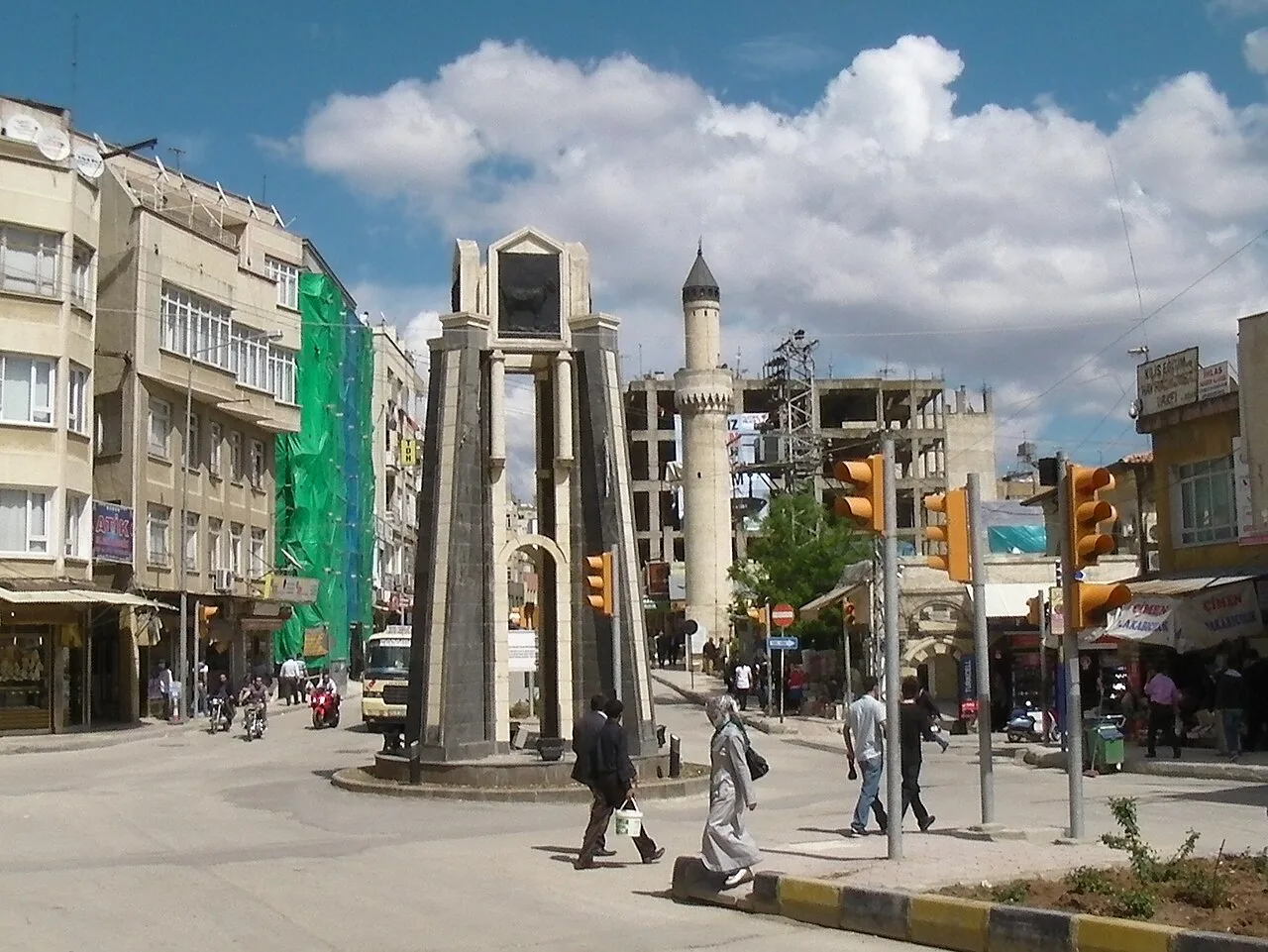
Ravanda near Belenözü in Polateli requires a separate journey and attention to elevated terrain. Distinguish uncertainty about its earliest foundation, later phases of use and the remains visible today. Height means different things at the mound, where occupation accumulated, and the fortress, where a defensive position was selected. Leave time for this comparison between museum, archaeological landscape and castle. Neither the 2010 street photograph nor the 2026 promotional film replaces current directions: arrange weather expectations, transport, rest and return around your actual visiting date.
Choose the visit that fits your question
Archaeology
Read the mound as accumulated layers of life.
Defence
Connect water storage with the fortress’s needs.
Visiting
Remain within open, permitted areas.
Visual exploration before you travel
Introducing Kilis: official 2026 provincial film
Connect urban life, production and culture through the official film published on 11 June 2026. Its footage does not establish fixed opening hours, unrestricted excavation access or a programme fitting every stop into one day.
Practical questions before your visit
Is an older statement that Kilis has no museum still correct?
No. The Directorate’s museum directory and individual institution pages identify Kilis Museum in the historic soap factory and the Prof. Dr. Alaeddin Yavaşca Museum. Do not treat an old statement in a mound description as present information; confirm arrangements with the relevant museum.
If the museum holds Oylum objects, is a mound visit unnecessary?
They answer different questions. A museum provides objects and interpretation; the mound provides settlement and landscape context. Regard them as complementary, but do not assume excavation-site permission is the same as museum access.
Does this guide reserve a place at Lebeniye Day or a concert?
No. A cultural tradition or dated announcement is not confirmation of a current event. Check date, location, participation and any booking with the organiser. Also distinguish the museum-house address from the cultural centre.
Sources and scope of this guide
These primary sources support the historical and heritage background. Comparisons and suggested ways to organise a visit are Atlas editorial analysis, not instructions from the source institutions.
- Kültür Portalı · RAVANDA KALESİ ↗
- Kültür Portalı · OYLUM HÖYÜK ↗
- Kilis İl Kültür ve Turizm Müdürlüğü · Kilis Museum in the historic soap factory ↗
- Kilis İl Kültür ve Turizm Müdürlüğü · Alaeddin Yavaşca Museum ↗
- Kilis İl Kültür ve Turizm Müdürlüğü · Gastronomy and culinary traditions ↗
- Kilis Valiliği · Local dishes, ingredients and Lebeniye Day ↗
- Kilis İl Kültür ve Turizm Müdürlüğü · Oylum archaeological-site entry ↗
- Kilis İl Kültür ve Turizm Müdürlüğü · Ravanda Castle, Belenözü and historic evidence ↗
- Kilis Valiliği · June 2026 promotion of produce, crafts and the province ↗