

← Back to History of the Republic
Türkiye Millî Olimpiyat Komitesi / Wikimedia Commons · CC BY-SA 2.0 ↗ Athlete dossier · freestyle wrestling
Taha Akgül: a heavyweight standard sustained for more than a decade
Strength alone is insufficient at heavyweight. Taha Akgül’s foot speed, single-leg timing, edge awareness and score management produced long-term medal continuity.
London 2012—Paris 2024Türkiye · world
Olympic, world and European champion Taha Akgül, 2019.
At a glance
- Olympics
- Gold · Rio 2016
- World
- Multiple champion
- Europe
- Multiple champion
- Final Games
- Bronze · Paris 2024
From Sivas to the heavyweight summit
Taha Akgül's connection with wrestling developed in Sivas, following his father and brother onto the mat. He became the men's freestyle 125-kilogram Olympic champion at Rio 2016 and added bronze at Tokyo 2020 and Paris 2024, earning medals at three separate Games. The Tokyo competition took place in 2021. Heavyweight wrestling is often described only through strength, but his career demonstrates the limits of that description. Acceleration, the timing of an attack and recovery of balance matter enormously at a high body weight. His biography links Türkiye's wrestling tradition with the technical detail of modern freestyle. Each Olympic medal was a distinct result involving different opponents and a different preparation cycle.
↑ Back to dossier contentsSustaining world and European competition
Akgül won his third world title in 2022, following the championships of 2014 and 2015. In 2024 he secured an eleventh European gold. The significance lies not only in the size of those totals. Opponents changed over the years while certain major rivalries, particularly his meetings with Geno Petriashvili, repeatedly shaped heavyweight competition. A wrestler cannot automatically use the same plan even against someone he has previously beaten. Grip preference, the timing of the first attack and the risks justified by the score all change. Sustained success therefore requires technical renewal as well as physical preparation. Akgül's chronology is not a simplified tale of invincibility, but a long contest against formidable rivals.
↑ Back to dossier contentsLarge bodies, small openings
Freestyle permits attacks on the legs, an important distinction from Greco-Roman wrestling. A successful single-leg or double-leg attack, however, requires more than lowering the body. The wrestler must disrupt the opponent's stance through hand fighting, close the distance and complete control after entering. In Akgül's matches, watching the opponent's feet after first contact reveals preparation that precedes the visible scoring action. A heavyweight may exploit a brief imbalance rather than wait for an enormous opening. Defence combines the position of the hips, head and arms with counterpressure. An apparently stationary opening can therefore contain an intense struggle over grips and timing rather than simply two athletes waiting to begin.
↑ Back to dossier contentsManaging score, space and time
Protecting a lead is a separate competitive skill. Retreating towards the edge, attacking without control or remaining in a grip too long can create new risks. Akgül's matches can be studied through the restarts after a score as well as the points themselves. An opponent who falls behind may expose more opportunities; the leader must weigh those openings against defensive security. That does not mean freezing the contest, because wrestling continues to demand active engagement. A final-seconds defence can be as decisive as a large throw. Heavyweight wrestling draws some of its drama from the speed with which a single change of control can alter the outcome of an otherwise closely managed bout.
↑ Back to dossier contentsParis bronze and the legacy of a career
Akgül retired from competitive wrestling after his Paris 2024 bronze. Ending his story at Rio would overlook the work of two further Olympic cycles. The final medal expresses a different achievement: remaining competitive near the summit over a long period. His name belongs alongside Turkish champions from other styles, but his identity as a freestyle 125-kilogram wrestler should remain clear. For developing wrestlers, the lesson is to combine strength with technical decisions and prepare for the particular opponent. For spectators, his legacy helps overturn the idea that heavyweight wrestling is necessarily slow or exclusively physical. Read through grips, balance and attacking timing, the archived matches reveal far more expertise than a medal total alone can convey.
↑ Back to dossier contentsArchive note
Archive images for wider context
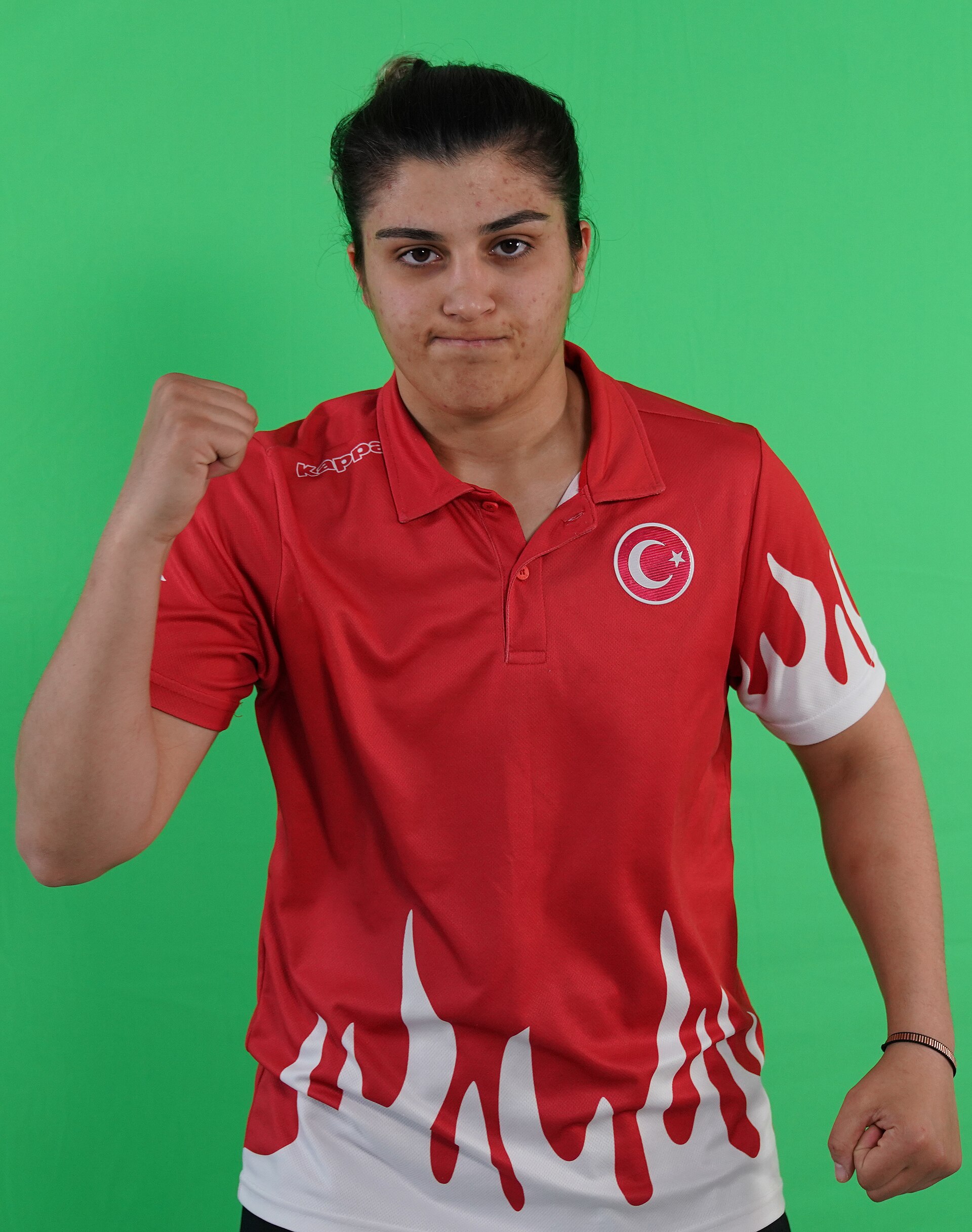
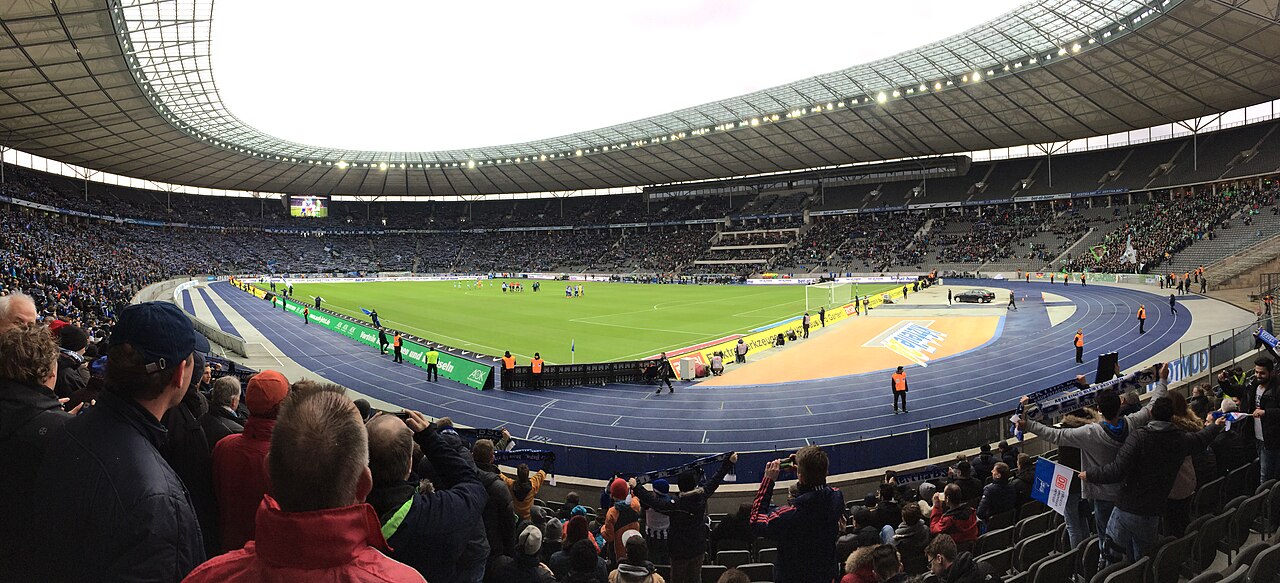
Olympic, world and European champion Taha Akgül, 2019. Türkiye Millî Olimpiyat Komitesi / Wikimedia Commons · CC BY-SA 2.0
More stories in this discipline
Wrestling
Hamza Yerlikaya
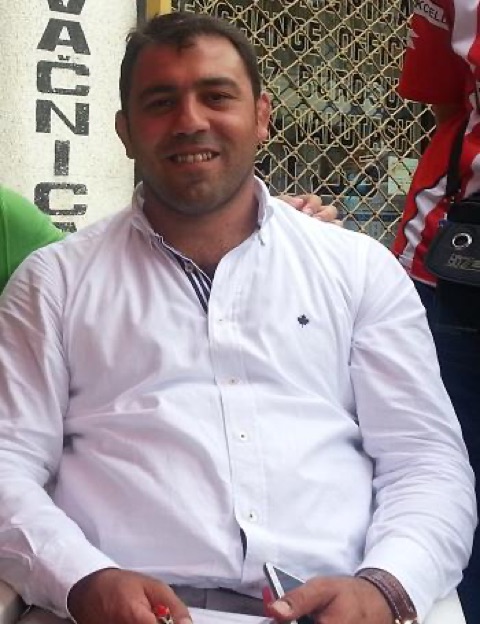
Hamza Yerlikaya’s teenage world title began a career that went on to include two Olympic golds.
Detailed career dossier Brief biography and historical contextWrestling
Yaşar Erkan
He won the 61kg Greco-Roman title at Berlin 1936 for the first Olympic gold in the Republic’s sporting history.
Detailed career dossier Brief biography and historical context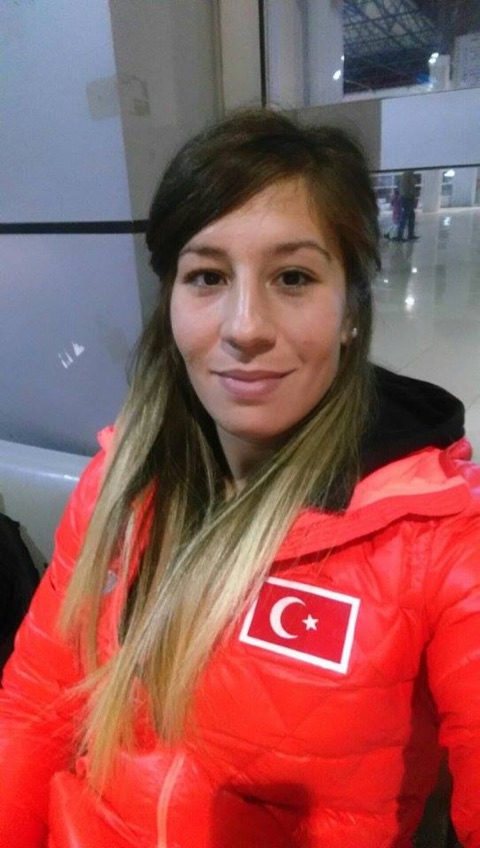
Wrestling
Yasemin Adar Yiğit
Yasemin Adar Yiğit broke world-title and Olympic-medal barriers for Turkish women’s wrestling.
Detailed career dossier Brief biography and historical contextDocuments and sources5 sources
Official reference points used to verify the chronology and interpretive frame on this page.
- Taha Akgül career record ↗UNITED WORLD WRESTLING
Results across Olympic, world and European championships.
- Taha Akgül's third world gold ↗UWW
Published by UWW: Taha Akgül's third world gold. Supports the relevant results or rules context in this dossier.
- Taha Akgül's eleventh European gold ↗UWW
Published by UWW: Taha Akgül's eleventh European gold. Supports the relevant results or rules context in this dossier.
- Paris 2024 and wrestling retirements ↗UWW
Published by UWW: Paris 2024 and wrestling retirements. Supports the relevant results or rules context in this dossier.
- International wrestling rules, January 2026 ↗UWW
Published by UWW: International wrestling rules, January 2026. Supports the relevant results or rules context in this dossier.